A single bad wire harness can shut down your entire line. This costly problem creates delays and frustration. But what if you could prevent these errors from ever happening?
Achieving a zero-defect mindset means moving beyond 100% inspection. It requires an auditable, mistake-proofed process built into each assembly station. This system uses physical guides and clear instructions, locked by a risk analysis (PFMEA), to prevent errors like wrong pins, protecting your production line.
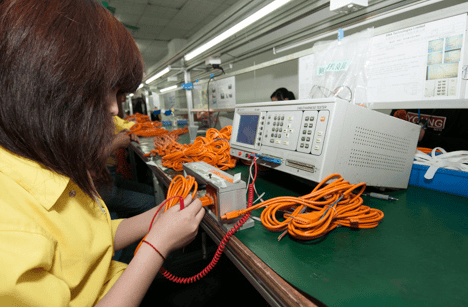
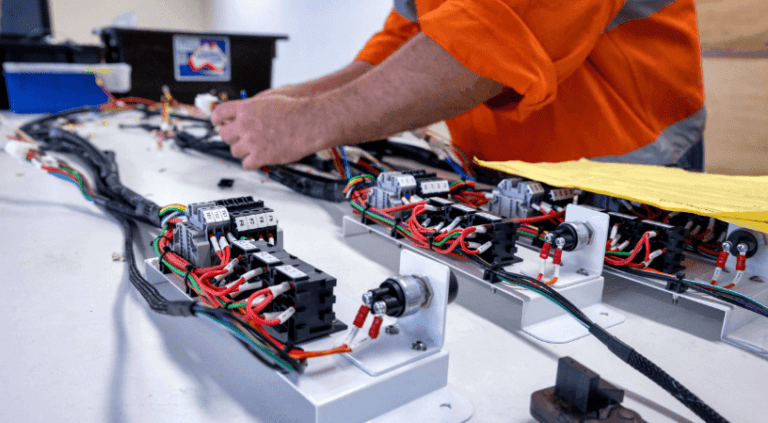
I’ve learned over my 15 years in this business that talk about “quality” is cheap. True quality isn’t found in a certificate on the wall; it’s built into the process at each operator’s station. It’s about creating a system where it’s physically difficult to make a mistake. This is the only way to protect clients like you from the headaches of production stops. Let’s walk through how we make this a reality, step by step.
Why Isn’t 100% Final Inspection Enough to Guarantee Quality?
You depend on 100% final inspection to catch defects. But errors still get through, causing major issues. What if this final check is fundamentally flawed for complex modern harnesses?
100% visual inspection is unreliable for complex wire harnesses. Human eyes can’t consistently catch fine-pitch, mirrored, or rotated pin errors, especially with multiple product variants. A system of prevention, using physical mistake-proofing (poka-yoke), is far more effective at stopping defects before they are made.
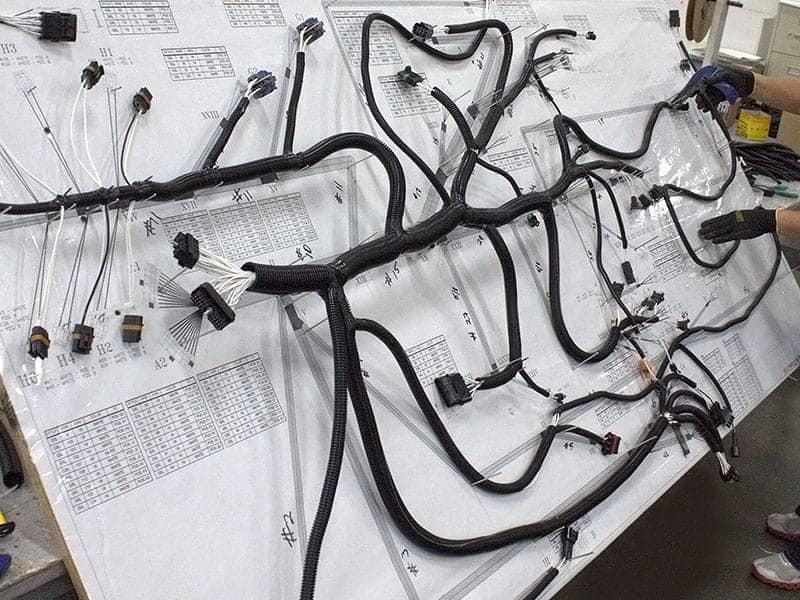
I remember one 8D project I worked on that really drove this point home. A client was experiencing intermittent line stops. The cause was a harness with a single pin in the wrong position. Their receiving inspection and our final visual inspection had both missed it. The problem was that we were producing three similar variants on the same line, and one connector was a mirror image of another. Under pressure, an operator could easily make a mistake that was nearly impossible to see with the naked eye.
From Detection to Prevention: A Case Study
The initial reaction from management was, “We need to add another inspection step!” But more inspection wasn’t the answer. The root cause wasn’t a lack of checking; it was a process that allowed the error to happen in the first place.
We shifted our focus from detection to prevention. Instead of just relying on an operator’s eyes, we designed a new assembly fixture. This fixture had a keyed locator for that specific problem connector. It was physically impossible to insert the connector if it was the wrong variant or if it was oriented incorrectly. The part simply would not fit. This simple change took the responsibility off the operator and built the quality check directly into the assembly step. The result? We saw a dramatic improvement. In our reports to the client, we were able to show that PPM levels for this defect dropped from the low thousands to well under five hundred. This experience taught me that you can’t inspect quality into a product; you have to build it in from the start.
How Do You Build an Auditable Process That Anyone Can Verify?
You need to trust your supplier’s quality process. But paper documents don’t always match reality on the floor. How can you be sure the controls are actually in place?
An auditable process connects high-level risk analysis directly to the operator’s workbench. It starts with a PFMEA, which defines the Control Plan. This plan then dictates the exact Work Instruction, including fixture designs and visual aids. This creates a clear, verifiable chain from risk to action.
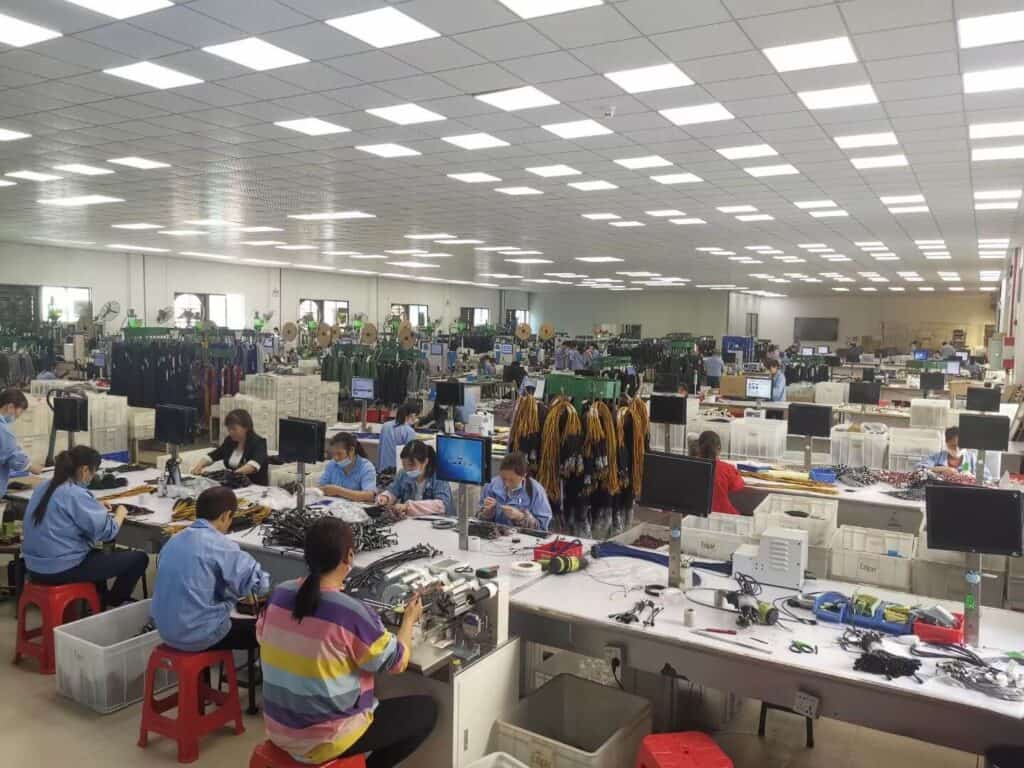
When a client like Tom Winform from the US visits our facility, he isn’t just looking at paperwork. He wants to walk the floor and see how the documents connect to the real world. He wants to pick up a harness, look at the work instruction at the station, and see the physical tool that prevents a known failure. This is why we build our process around a clear and traceable control chain. It’s not just for us; it’s for our clients’ peace of mind.
The PFMEA → Control Plan → Work Instruction Chain
Everything starts with risk analysis. We use a Process Failure Mode and Effects Analysis (PFMEA) to identify everything that could possibly go wrong. For each potential failure, we link a specific control. This isn’t just a paper exercise. That control becomes a requirement in our Control Plan, which then becomes a physical tool or a clear visual guide in the operator’s Work Instruction.
Here’s a simplified, anonymized example for the “wrong-pin” failure mode we discussed:
| Document | Item | Detail |
|---|---|---|
| PFMEA | Failure Mode | Pin inserted into wrong cavity of connector. |
| Potential Cause | Operator error due to similar-looking cavities. | |
| Recommended Action | Implement mistake-proofing fixture. | |
| Control Plan | Control Method | Poka-yoke fixture with pin guides. |
| Specification | Fixture P/N 123 only allows pin insertion in correct cavity. | |
| Reaction Plan | Operator cannot complete the assembly step if pin is misaligned. | |
| Work Instruction | Visual Aid | Photo of harness being placed in Fixture P/N 123. |
| Instruction Step | “Insert connector into fixture. Guide wire through designated slot. Crimp.” |
When you audit our process, you can follow this thread. You can see the risk in the PFMEA, find the corresponding control in the Control Plan, and then walk over to station #5 and see Fixture P/N 123 in action, exactly as described in the Work Instruction. This transparency builds trust and proves that our quality system is more than just words.
How Does Variant Complexity Change Your Approach to Mistake-Proofing?
Your product line has many variations. This complexity increases the risk of assembly errors at your supplier. How do you ensure the correct harness is built every time, without fail?
Variant complexity is the primary driver for a mistake-proofing strategy. The more variants and changeovers, the greater the need for physical controls. This means using unique keyed fixtures for each variant, clear visual pin-maps, and confirmed checks before starting a new batch.
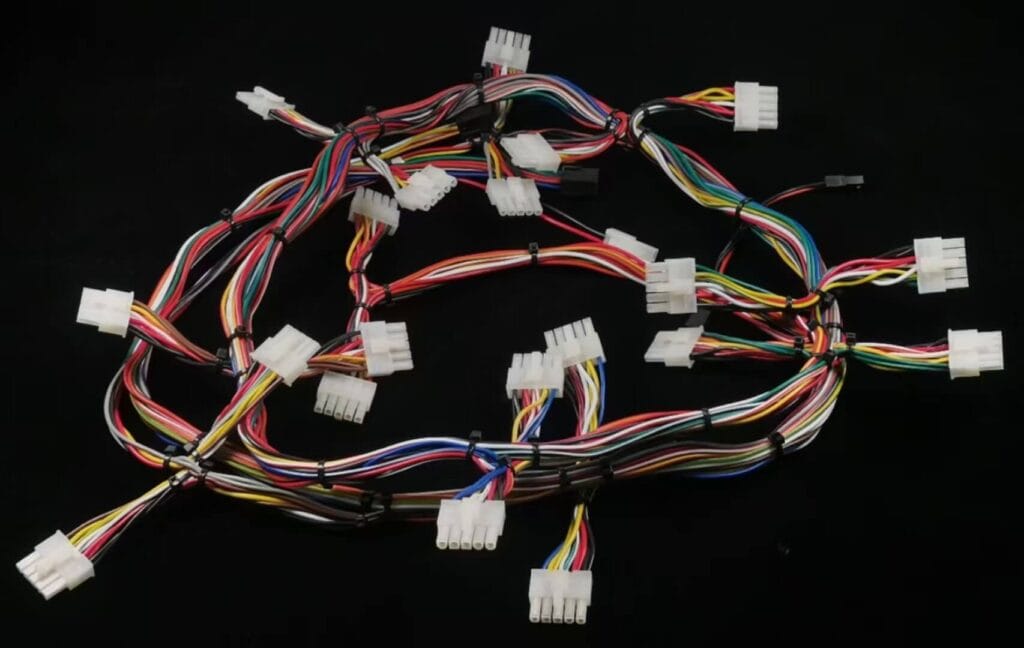
One of the first questions I ask a new client is, “How many variants will run on this line, and how many changeovers do you expect per shift?” The answer tells me almost everything I need to know about the level of process control we will need to build. A single, high-volume harness has different risks than a line that produces 20 different part numbers a day. Managing complexity is the key to preventing errors. An operator building the same part all day develops muscle memory. An operator who has to switch between three different mirror-image harnesses in an hour needs a system that protects them from making a mistake.
Control Strategies for Low vs. High Variants
The strategy must scale with the complexity. For a simple process, basic controls may be enough. But as complexity increases, the process must become more rigid and reliant on physical mistake-proofing rather than operator memory. The goal is to design a system where the operator cannot assemble a mirror-image harness or use the wrong component, even if they try. This often involves unique fixtures that will only accept the components for one specific part number.
Here’s how we think about scaling these controls:
| Control Area | Low-Variant Complexity (1-3 PNs/shift) | High-Variant Complexity (10+ PNs/shift) |
|---|---|---|
| Fixturing | Shared fixtures with color-coded locators. | Unique, keyed fixtures for each critical variant. Fixture will not accept wrong component. |
| Work Instructions | Laminated static documents at the station. | Digital display that updates automatically with the work order. |
| Component Bins | Clearly labeled shared bins. | “Pick-to-light” systems or component kits specific to the work order. |
| Changeover | Operator-led checklist. | Barcode scan verification: operator scans work order, fixture, and component bin to confirm match before starting. |
This tiered approach ensures that the investment in mistake-proofing matches the level of risk. For our most complex projects, the system guides the operator through every step, confirming each action to make it nearly impossible to build an incorrect assembly.
How Does This Process Directly Reduce Your Production Risks?
A line-stop event is your worst nightmare. It halts production, costs money, and creates chaos. Are you confident your supplier’s process is robust enough to protect you from this risk?
This disciplined, prevention-focused process directly reduces your biggest risks: assembly line downtime and expensive offline rework. By physically preventing wrong-pin and mis-assembly errors, we ensure the harnesses you receive are correct, keeping your PPAP commitments credible and your production lines running smoothly.
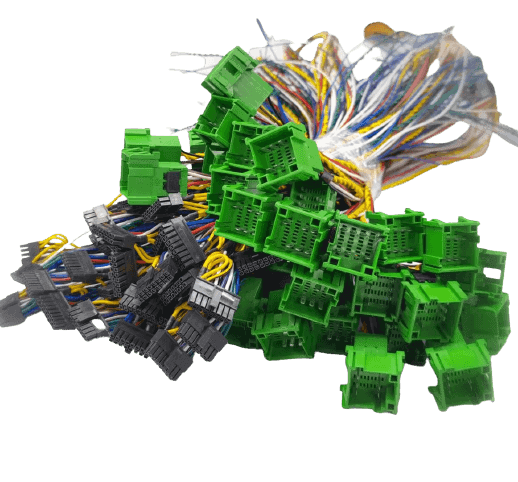
Ultimately, our quality system isn’t designed to make our lives easier; it’s designed to protect your production. We understand that the cost of a bad harness isn’t the few dollars we charge for it. The real cost is thousands of dollars in lost production time, idle workers, and emergency rework. Everything we’ve discussed—the mistake-proofing, the auditable control chain, and managing variant complexity—is aimed at one thing: mitigating your risk. When we submit a PPAP, we are making a promise about our process capability. Our station-level controls are how we keep that promise during full production.
Making a PPAP Commitment a Production Reality
The PPAP is a snapshot in time. It proves we can make a good part. But our process controls ensure we will make a good part, every single time. This is what gives you the confidence to design our components into your products. When we prevent a wrong pin from being inserted at our assembly station in China, we are directly preventing a line stop at your factory in the US, France, or Australia.
In customer audits, we don’t just show charts and data. We walk the line and point to the physical fixture that prevents a specific failure mode identified in the PFMEA. We show how an operator can’t even begin working on a new order without scanning a barcode that confirms they have the right components and the right work instruction. This is what turns a quality promise into a reliable, long-term partnership. It’s the foundation of a true zero-defect mindset.
Conclusion
Ultimately, a zero-defect mindset isn’t a slogan. It’s a verifiable, mistake-proofed process that protects your assembly line, reduces risk, and ensures reliable, quality harnesses every time.