Choosing a USB-C supplier is tough. A bad choice can lead to quality issues and delays. You need to look beyond the initial price tag to find a true partner.
To choose the right USB-C cable manufacturer, you must evaluate their engineering support, quality control, cost optimization strategies, and communication. A long-term partner is more valuable than the cheapest quote, as they ensure stable supply and reduce your overall business risk.
It sounds simple, but how do you actually check these things? I’ve spent years sourcing from different suppliers and vetting them for my clients. This process has taught me what really matters when you’re making your choice. Let me walk you through the key questions you need to ask to separate the great suppliers from the ones that will cause you headaches down the road.
Is the Lowest Price Really the Best Deal?
You see a very low price and it looks tempting. But hidden costs from bad quality and delays can destroy your profits. You have to understand the total cost of ownership.
The lowest price is rarely the best deal. It often hides risks like inconsistent quality, missed deadlines, and poor after-sales support. The true cost includes managing these problems, which can easily outweigh any initial savings. A reliable supplier offers a competitive, sustainable price.
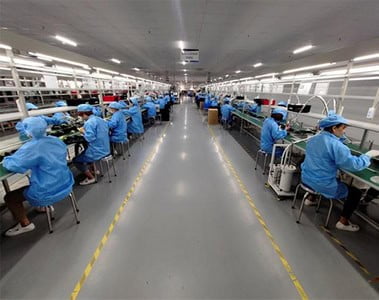
In my experience, the initial quote is just the beginning of the story. The real cost of a product includes everything that happens after you place the order. A cheap cable that fails in the field costs you much more than a slightly more expensive, reliable one. You have to think about replacements, damage to your brand’s reputation, and angry customers. I’ve learned that focusing only on the FOB price is a short-term strategy that often leads to long-term problems. A good partner understands this. They price their products to ensure they can maintain quality and service for every single order.
Beyond the Quoted Price
When I compare suppliers, I look at the total value, not just the unit cost. A supplier that invests in quality control and has a stable workforce might have a slightly higher price, but they save me money by preventing problems.
| Factor | Low-Quote Supplier Risk | Value Partner Benefit |
|---|---|---|
| Quality | Inconsistent, high defect rates, potential recalls. | Stable, predictable quality, low return rates. |
| Delivery | Frequent delays, poor communication about schedule. | On-time delivery, proactive updates on production. |
| Communication | Slow responses, language barriers, avoids problems. | Clear, fast communication, collaborative problem-solving. |
| After-Sales | No support for defects, blames the customer. | Takes accountability, helps resolve issues quickly. |
How Can You Tell a Real Manufacturer from a Simple Assembler?
Many suppliers claim to be manufacturers. But if they can’t support your technical needs, your project could fail. The key is to test their engineering capability early on.
A true manufacturer has strong engineering support. They can provide detailed drawings, suggest materials, and discuss technical specs. When I talk with suppliers, I always ask for this. An assembler might just quote a price without any technical feedback, which is a major red flag.
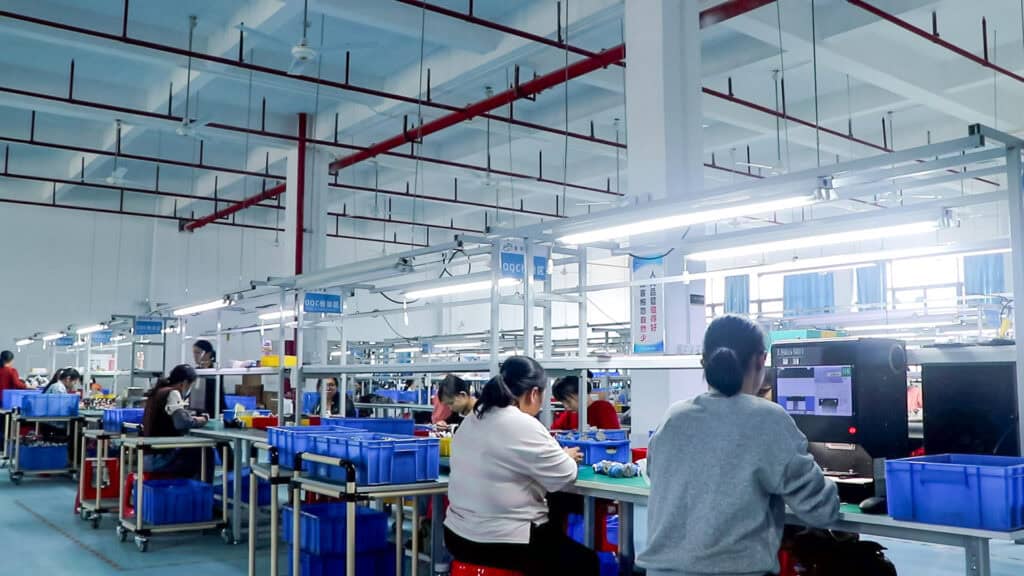
The difference becomes clear as soon as you send a technical inquiry. A simple assembler or trading company will often just pass your request along and come back with a price. They can’t answer deep technical questions. A real manufacturer, however, will have an engineering team that reviews your design. I remember one project where a supplier’s engineer pointed out a potential stress point in our custom overmold design. They suggested a minor change that cost nothing but likely saved us from a huge field failure issue later. That’s the kind of value an engineering team provides. They don’t just make what you ask for; they help you make it better and more reliable.
Key Engineering Questions to Ask
You can quickly gauge a supplier’s capability by how they respond to technical questions. A capable partner will engage in a technical discussion with you.
| Capability | What to Look For |
|---|---|
| Drawing Review | Do they ask clarifying questions? Do they point out potential risks or suggest improvements? |
| Material Suggestion | Can they recommend specific wire gauges, insulation materials, or connectors for your use case? |
| Prototyping | Do they have a clear process for creating and testing samples before mass production? |
| DFM Feedback | Can they provide Design for Manufacturability feedback to make your product easier to build? |
What Does ‘Good Cost Down’ Actually Mean?
You always need to lower your costs to stay competitive. But just asking for a cheaper price can lead to a lower quality product. The right way is to work with your supplier on smart cost optimization.
Good cost reduction isn’t about using cheaper, low-quality parts. It’s about smart engineering. A capable supplier will suggest alternative materials that meet specs, simplify a design to improve efficiency, or avoid over-engineering. This lowers cost without sacrificing quality.

One of the biggest signs of a great supplier is their ability to help you reduce costs responsibly. A weak supplier will just swap out materials for cheaper, lower-grade alternatives when you ask for a better price. This is just cutting corners. A strong manufacturing partner will analyze your design and requirements. They might say, “Your spec calls for a wire that supports 10 Gbps, but your application only uses 5 Gbps. We can use a different cable that still meets your needs and saves you 15%.” They challenge you. They don’t just say “yes” to everything. This proactive approach shows they understand both engineering and your business goals. It builds trust and leads to a better, more cost-effective product.
Responsible Cost Optimization vs. Cutting Corners
It is critical to know the difference. One builds value, while the other creates risk.
| Method | Smart Cost Down (Value Engineering) | Cutting Corners (Quality Reduction) |
|---|---|---|
| Material Choice | Suggesting a certified alternative material that performs the same. | Using non-certified or thinner materials that might fail. |
| Design | Simplifying a connector overmold to speed up production. | Removing essential shielding or strain relief to save pennies. |
| Production | Improving assembly line efficiency to reduce labor costs. | Skipping important quality control steps like continuity tests. |
What Makes a Supplier a True Long-Term Partner?
Finding a supplier for one order is easy. But constantly switching suppliers is inefficient and full of risk. The real goal is to find a partner who can support your business as it grows.
A long-term partner provides more than just a product. They offer stable quality, clear communication, reliable delivery, and proactive problem-solving. When I evaluate suppliers, I’m not just buying cables; I’m investing in a relationship that supports my business for years.
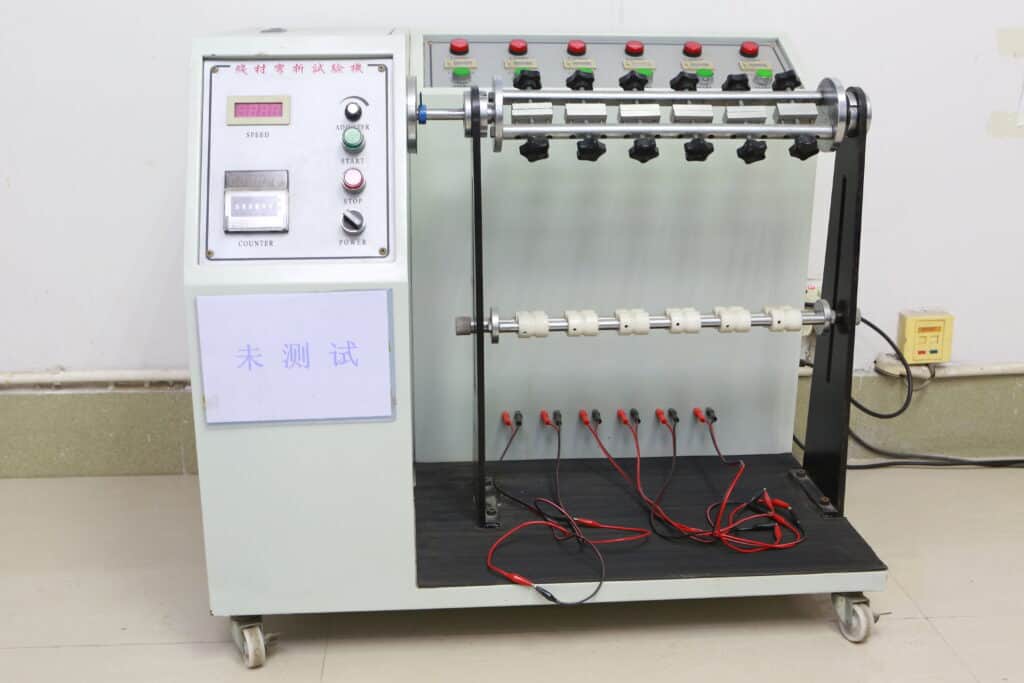
After years of sourcing, I can tell you that my best suppliers feel like an extension of my own team. They understand my quality standards and my business cycles. If there’s a potential material shortage, they warn me ahead of time. If a shipment might be delayed by a holiday, they work with me to adjust the schedule. This isn’t about one single transaction. It’s about building a reliable supply chain. A partnership is based on accountability and trust. I know that if a problem happens, they won’t disappear. We’ll work together to solve it. That kind of reliability is priceless and is the foundation for growing your business without constantly worrying about your supply chain.
The Pillars of a Strong Supplier Relationship
Look for these qualities. They are more important than a few cents off the unit price.
| Attribute | Why It Matters for a Long-Term Partnership |
|---|---|
| Communication | Clear, honest, and timely updates prevent surprises and allow for quick decisions. |
| Consistency | Delivers the same level of quality and service on the tenth order as on the first. |
| Accountability | Takes ownership of mistakes and works with you to fix them, rather than making excuses. |
| Flexibility | Willing to work with you on changing forecasts, new designs, or unexpected challenges. |
Conclusion
Choosing the right USB-C manufacturer means finding a long-term partner who provides engineering value, stable quality, and smart cost control, not just the lowest initial price.