In the world of industrial equipment, few components are as overlooked—yet as absolutely vital—as the wiring harness. Bundling and protecting thousands of electrical circuits, wiring harnesses are the unseen nervous system driving modern machinery. From mining trucks operating in the Pilbara to precision CNC machines in a Brisbane factory, the reliable flow of power and data depends on these custom-engineered assemblies. When a harness fails, the cost is measured not just in replacement parts, but in halted production lines, compromised safety, and lost revenue. For Australian operators who demand maximum uptime in harsh conditions, the choice of harness is a strategic decision that separates peak efficiency from costly downtime.
The Backbone of Modern Machinery: Why Wiring Harnesses Matter
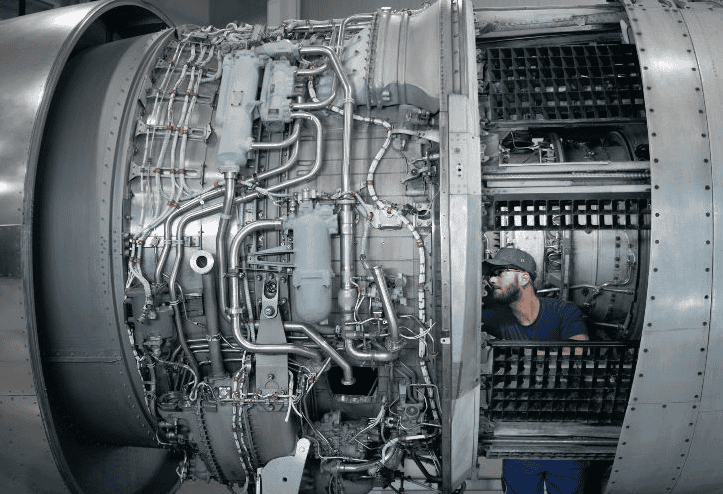
Wiring harnesses serve as the central circulatory and neural network of any complex piece of equipment. They consolidate and protect conductors, connectors, and terminals, routing them precisely to where power, control signals, and data are needed. In automotive applications, a single vehicle can contain over 2,000 individual wires[1]; in an aircraft or a mining shovel, that number multiplies exponentially. The harness doesn’t just transmit electricity—it shields sensitive lines from electromagnetic interference, withstands vibration and temperature extremes, and keeps maintenance practical. Without a purpose-designed harness, even a high-performance engine becomes a static lump of metal.
Failure is not an academic concern. Corrosion, chafing, or a single loose terminal can trigger intermittent faults that baffle technicians, or cause a catastrophic short that immobilises a $5 million machine. In safety-critical sectors like defence and rail, harness quality directly affects mission readiness and regulatory compliance. It’s this criticality that pushes leading companies to reject generic solutions and insist on OEM wiring harnesses.
Defining the OEM Wiring Harness: More Than Just Wires
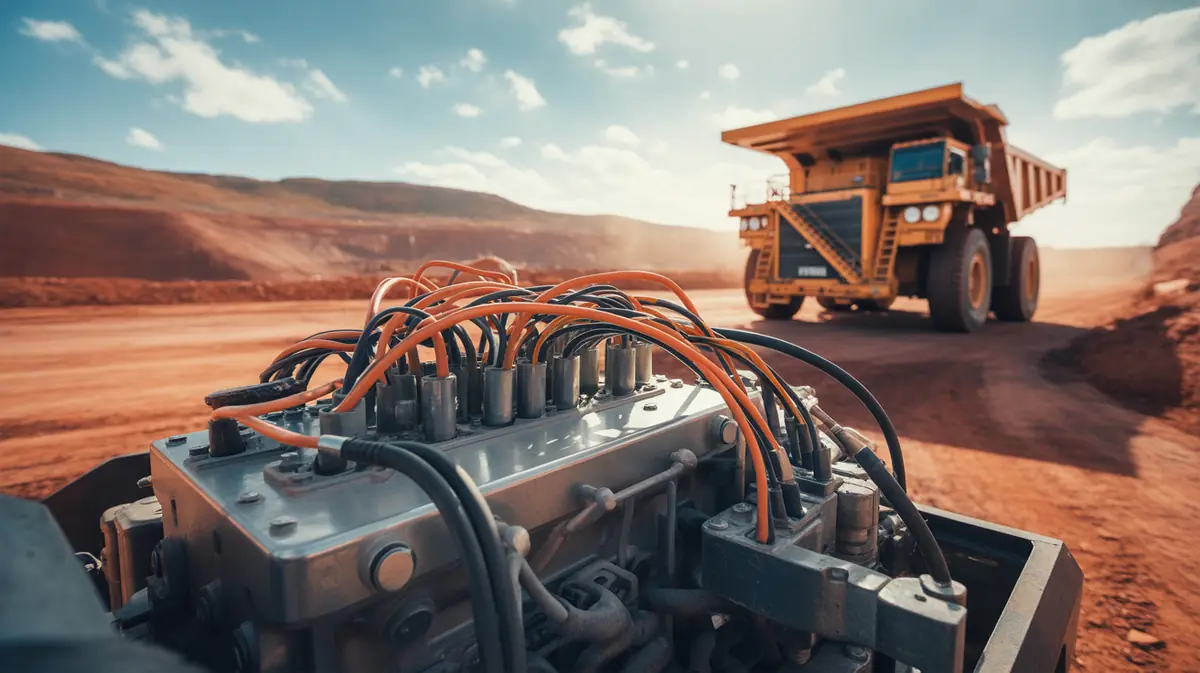
OEM stands for Original Equipment Manufacturer—the company that designed and built the machine or vehicle. An OEM wiring harness is fabricated to the exact specifications, material requirements, and performance parameters defined by that equipment designer. Unlike a universal or “one-size-fits-many” aftermarket part, an OEM harness integrates seamlessly with proprietary connectors, sensors, and control modules. Every wire length, branch point, and protective sleeve is positioned for the specific mounting points and routing channels of the target model.
This customisation extends beyond physical fit. OEM harnesses account for the unique electrical load profiles, signalling protocols, and environmental exposures of a given application. For example, an OEM harness for a Caterpillar D11 dozer will not only match the connector pin-outs but also use abrasion-resistant jacketing rated for continuous exposure to rock dust and extreme vibration[2]—factors an aftermarket manufacturer might overlook. The result is a component that works in harmony with the machine’s intelligence, preserving warranty coverage and long-term reliability.
Critical Design Elements of an OEM Harness
Engineering a true OEM harness requires deep technical expertise and uncompromising material selection. The choice of conductor material—typically stranded copper for its balance of flexibility and conductivity—is just the starting point. Gauge sizing must meet prescribed ampacity while minimizing voltage drop over the full harness length. Insulation compounds, from cross-linked polyethylene (XLPE) to silicone rubber, are selected based on temperature range, chemical resistance, and dielectric strength.
Equally critical are the connectors and terminals. OEM engineers specify exact mating cycles, contact resistance, and ingress protection ratings to ensure longevity. A Deutsch or Amphenol connector on a military vehicle demands precision crimping and sealing to IP69K standards; a lesser connector would become a failure point. Environmental protection adds further complexity: options like braided shielding for EMI suppression, split or continuous conduit for physical armor, and heat-shrink boots for moisture sealing must all be applied methodically.
Finally, design for manufacturability (DFM) and serviceability is baked in. A well-designed OEM harness simplifies assembly on the production line, includes service loops for field repair, and uses labels or colour codes for quick diagnostics. This holistic approach ensures the harness performs reliably across its entire lifecycle.
OEM vs. Aftermarket Wiring Harnesses: A Data-Driven Comparison
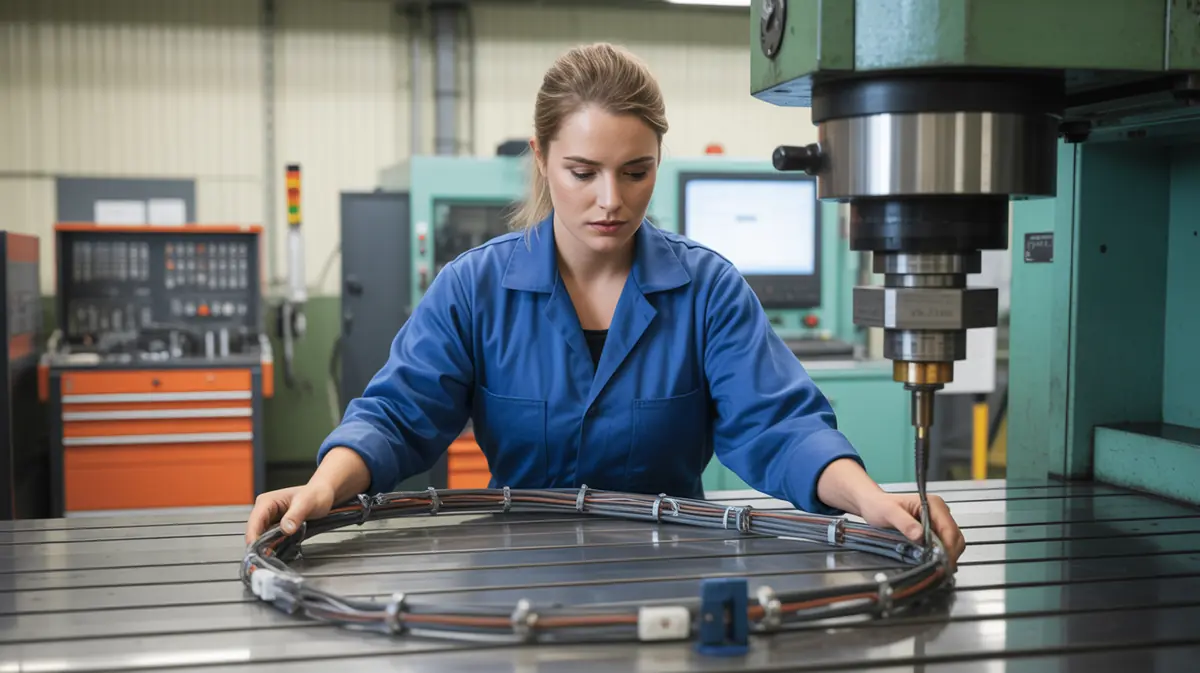
Procurement teams often face pressure to cut upfront costs, making aftermarket harnesses appear attractive. However, total cost of ownership (TCO) analysis tells a very different story. Consider a hypothetical fleet of 50 haul trucks operating in a remote Western Australian mine. An OEM harness for the engine management system costs $1,800, while an aftermarket copy is $1,100—a tempting 39% saving. But field data from similar operations reveals the aftermarket alternative suffers a mean time between failure (MTBF) of 6,200 hours[3], versus 18,500 hours for the OEM part.
When a truck goes down unplanned, the direct repair cost is compounded by production loss. At a conservative hourly revenue rate of $2,500[4], a single 4-hour downtime event costs $10,000. Over a 20,000-hour operating period, the OEM harness incurs one expected failure (cost: $1,800 + $10,000 downtime), while the aftermarket unit sees three failures (cost: $3,300 + $30,000 downtime). The TCO differential is stark: $11,800 for OEM vs $33,300 for aftermarket—nearly triple.

Performance metrics reinforce the reliability gap. OEM harnesses maintain signal integrity within tighter tolerance bands, ensuring sensor data reaches ECUs without distortion. Their connectors routinely exceed specified durability cycles, while aftermarket terminals may exhibit fretting corrosion after a fraction of the design life. For mission-critical equipment, the data leaves little doubt: OEM harnesses are not an expense but an investment in continuity.
The Landscape of Wire Harness Manufacturing in Australia
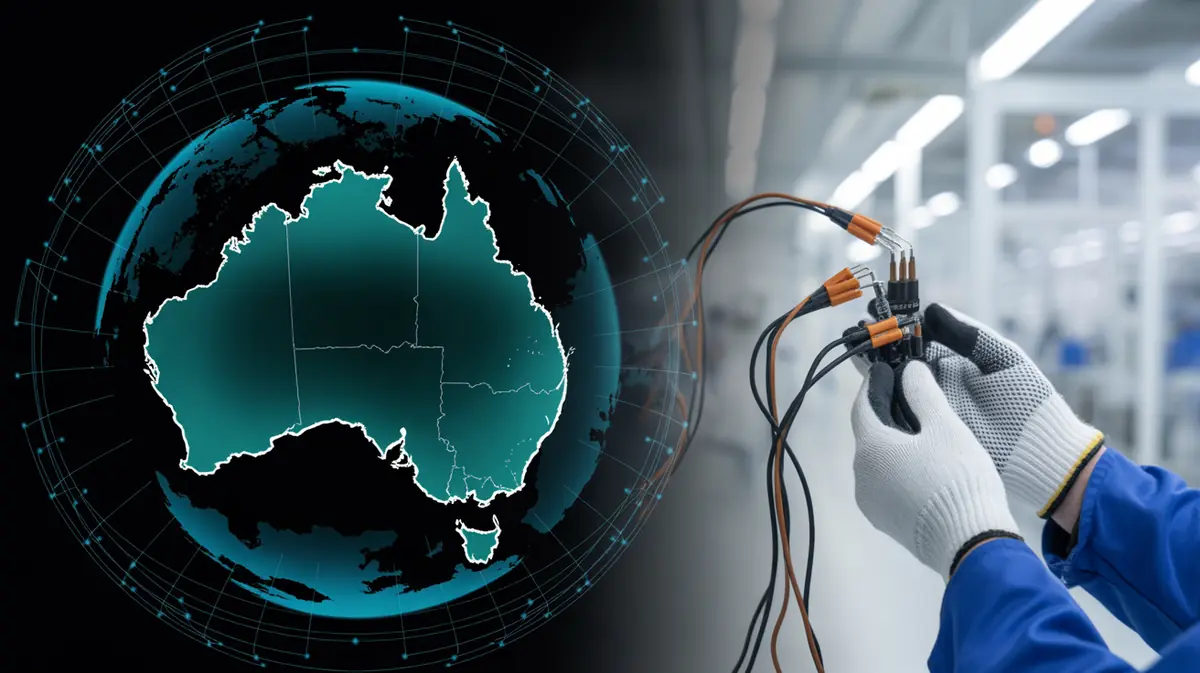
Australia is home to a sophisticated, if compact, wire harness manufacturing sector that punches above its weight in niche applications. Clusters of expertise have grown around major industrial hubs—Melbourne’s advanced manufacturing precinct, Sydney’s defence and aerospace corridor, and Brisbane’s mining equipment specialists. These manufacturers have evolved to serve the unique demands of the Australian market: remote operation, extreme climate variability, and stringent safety regulations.
Specialisations are a key strength. Companies like Cablex and Tycab Australia[5] focus on high-reliability assemblies for rail and defence, while others concentrate on harnesses for underground mining vehicles where fire resistance and antistatic properties are mandatory. The sector is particularly adept at custom, low-volume production—a crucial capability for OEMs that require short runs of highly specific harness configurations. This agility, combined with robust local supply chains for components like Australian-approved cables and connectors, ensures that lead times are competitive and quality oversight is immediate.
How to Select the Right OEM Wire Harness Partner in Australia
Choosing a manufacturing partner is a decision that reverberates through your equipment’s lifecycle. Start by verifying technical credentials. Look for certification to ISO 9001 (quality management) and, critically, IPC/WHMA-A-620—the global standard for cable and wire harness assembly. For electrical compliance, AS/NZS 60950 or equivalent is essential. A competent partner will openly share their qualification records, process documentation, and training certifications.
Prototyping and testing capabilities are non-negotiable. The ideal manufacturer should offer rapid 3D harness prototyping, in-house electrical testing (continuity, hipot, and functional testing), and environmental simulation such as thermal cycling and vibration testing. Evaluate their supply chain resilience: do they maintain buffer stock of critical materials? Can they source connectors locally if global logistics falter? Request a pilot run of 10-20 harnesses and subject them to your own in-service trials before committing to volume production. On-the-ground support, including field service for installation and troubleshooting, further distinguishes top-tier Australian suppliers from offshore alternatives.
Quality Assurance and Compliance: The Australian Advantage
Australian manufacturing operates within one of the world’s most rigorous regulatory frameworks, providing buyers with an inherent quality assurance advantage. Reputable harness producers not only hold ISO 9001 but often pursue ISO 14001[6] for environmental management, reflecting a commitment to sustainable practices. Compliance with Australian Wiring Rules (AS/NZS 3000) and state Electrical Safety Acts ensures that harnesses meet the highest standards for insulation, current-carrying capacity, and fault protection.
Traceability is a hallmark of Australian OEM harness production. Every batch of wire, each connector lot, and all subassembly processes are documented, enabling root-cause analysis in the rare event of a field issue. Lifecycle testing—including salt spray exposure, flex testing, and accelerated aging—is routinely performed to validate design margins. For asset-intensive industries where a failed harness can idle a $250,000 per hour processing plant[7], the confidence that comes from this level of rigour is invaluable.
Future-Proofing Your Supply Chain: Trends in OEM Wiring Harnesses
The wiring harness industry is evolving rapidly, driven by electrification, connectivity, and sustainability imperatives. Miniaturisation is a key trend: as sensor payloads grow and space becomes more constrained, harnesses must handle higher data rates in smaller cross-sections, using advanced materials like nano-coated copper alloys[8]. Lightweight designs using aluminium conductors are gaining traction[9] in aerospace and electric vehicles, directly improving fuel efficiency or battery range.
Smart harnesses with embedded sensors[10] and integrated data lines are transforming maintenance from reactive to predictive. These systems can monitor their own health, reporting insulation degradation or connector fretting before a fault occurs. Concurrently, regulatory and market pressures are pushing for recyclable jacketing materials and halogen-free, low-smoke insulation compounds. For Australian buyers, these trends reinforce the importance of a local OEM partner who can adapt designs rapidly and collaborate on next-generation projects—reducing reliance on distant supply chains and securing a competitive edge through innovation.
Key Takeaways
- OEM wiring harnesses are custom-engineered to the exact specifications of the equipment designer, ensuring perfect integration, reliability, and compliance.
- Total cost of ownership analysis overwhelmingly favours OEM solutions over aftermarket alternatives, with lower failure rates and reduced downtime outweighing higher initial costs.
- Australian harness manufacturers offer specialised expertise in mining, defence, and industrial applications, backed by rigorous certifications like IPC/WHMA-A-620 and AS/NZS 3000.
- When selecting a partner, prioritise technical certifications, prototyping capabilities, supply chain resilience, and field support to guarantee long-term performance.
- Investing in OEM wiring harnesses and local supply chains is a strategic move that future-proofs operations against disruptions and enables adoption of emerging technologies.