When I receive inquiries from customers comparing suppliers, about 40% start with questions about company history1—especially "How old is your company?" or "Who are the oldest manufacturers in this region?" They believe longevity equals reliability, and I understand why that mental shortcut exists.
Several Indian wire manufacturers trace their origins to the 1960s–1970s, with companies like Finolex Cables (established 1958) and KEI Industries (established 1968) among the earliest.2 However, using founding year as your primary supplier selection criterion creates hidden procurement risks because company age doesn't predict current production capacity, delivery performance, or customization capabilities.
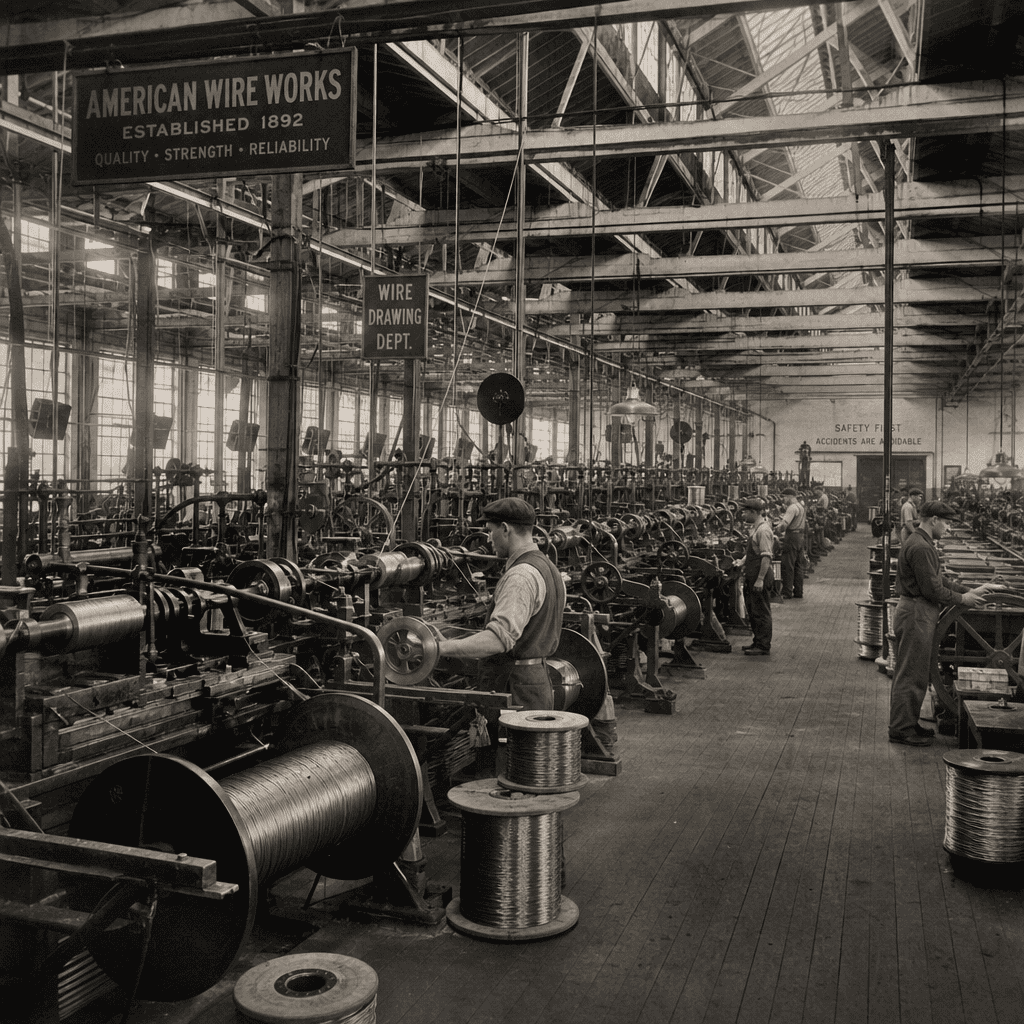
But here's what happens after customers send those initial questions: The conversation always shifts from "How old are you?" to "Can you handle 500-piece orders with custom connectors ready in 10 days?" That transition reveals what really matters in supplier evaluation.
Why do buyers search for the oldest wire company?
When procurement managers type "oldest wire company in India" into search engines, they're not conducting historical research. In our customer inquiries, this question serves as a cognitive shortcut—a proxy for trustworthiness they hope correlates with founding year.
The underlying assumption is that companies surviving 50+ years must have proven quality systems, stable operations, and reliable delivery. This reasoning works for brand heritage products like watches or whiskey3, but it breaks down when evaluating manufacturing suppliers because operational metrics change independent of company age.

From quote comparison scenarios we've handled, I've noticed three patterns driving this search behavior:
| Buyer Motivation | What They Actually Need | Why Age Doesn't Answer It |
|---|---|---|
| Risk reduction | Production consistency data | 50-year-old companies can have outdated equipment or management transitions that disrupt performance |
| Quality validation | Certification proof + audit results | Longevity doesn't guarantee current ISO compliance or process control |
| Delivery confidence | Lead time commitments + capacity proof | Established companies often have rigid MOQs and slower response times than newer specialized manufacturers |
I remember one customer from Germany who initially insisted on working with "heritage manufacturers." After three months of 10,000-piece MOQs and 45-day lead times with an established supplier, he contacted us asking if we could prototype 200 custom harnesses in two weeks. We delivered in 12 days. Age didn't solve his actual problem—flexible capacity did.
Does company longevity guarantee better wire quality?
This is where the age-reliability assumption collapses under operational scrutiny. Based on procurement discussions we've handled, quality depends on current process control, not historical survival.
Manufacturing quality comes from active quality systems (ISO 9001, IATF 169494), equipment calibration schedules, and inspection protocols—not founding year. A company established in 1965 using equipment from that era produces worse outcomes than a 2015 manufacturer with modern automated testing systems.
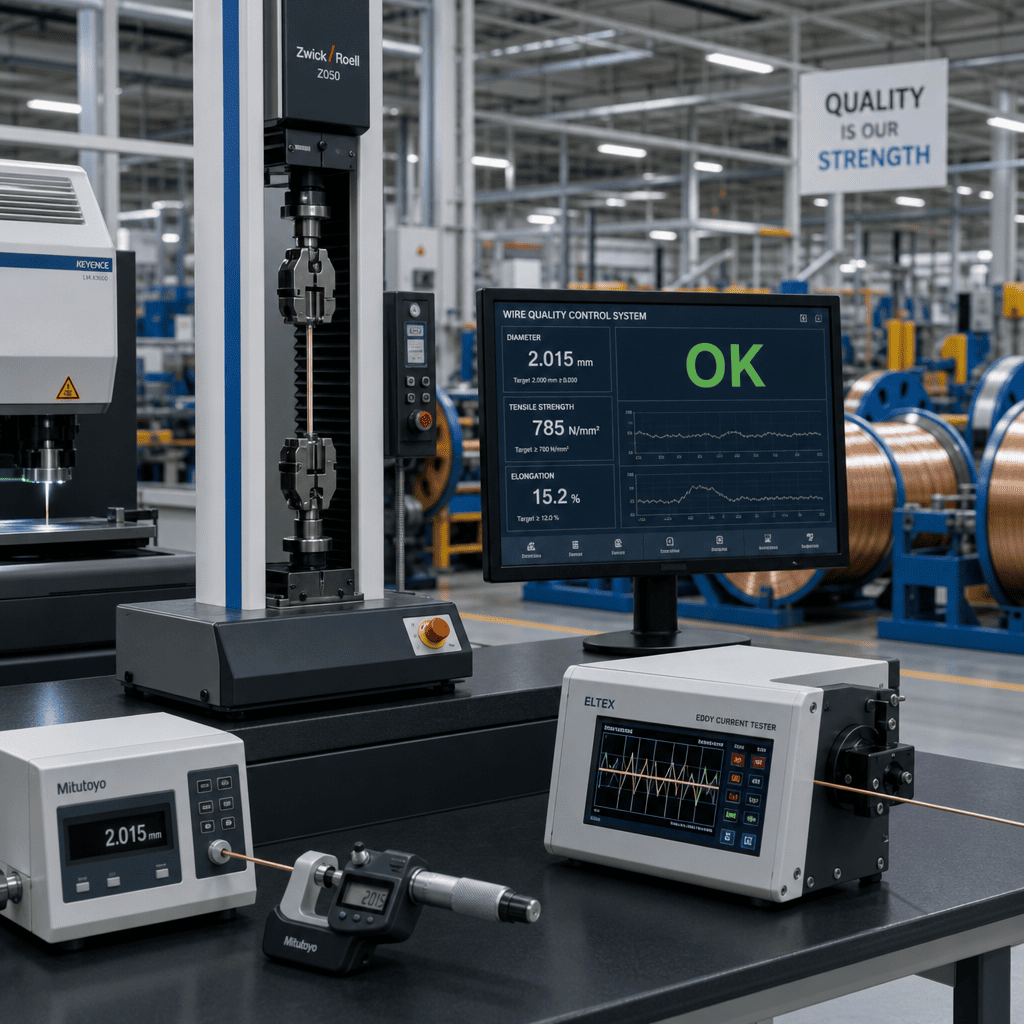
Consider what actually determines wire harness quality in 2024:
Equipment technology matters more than establishment date
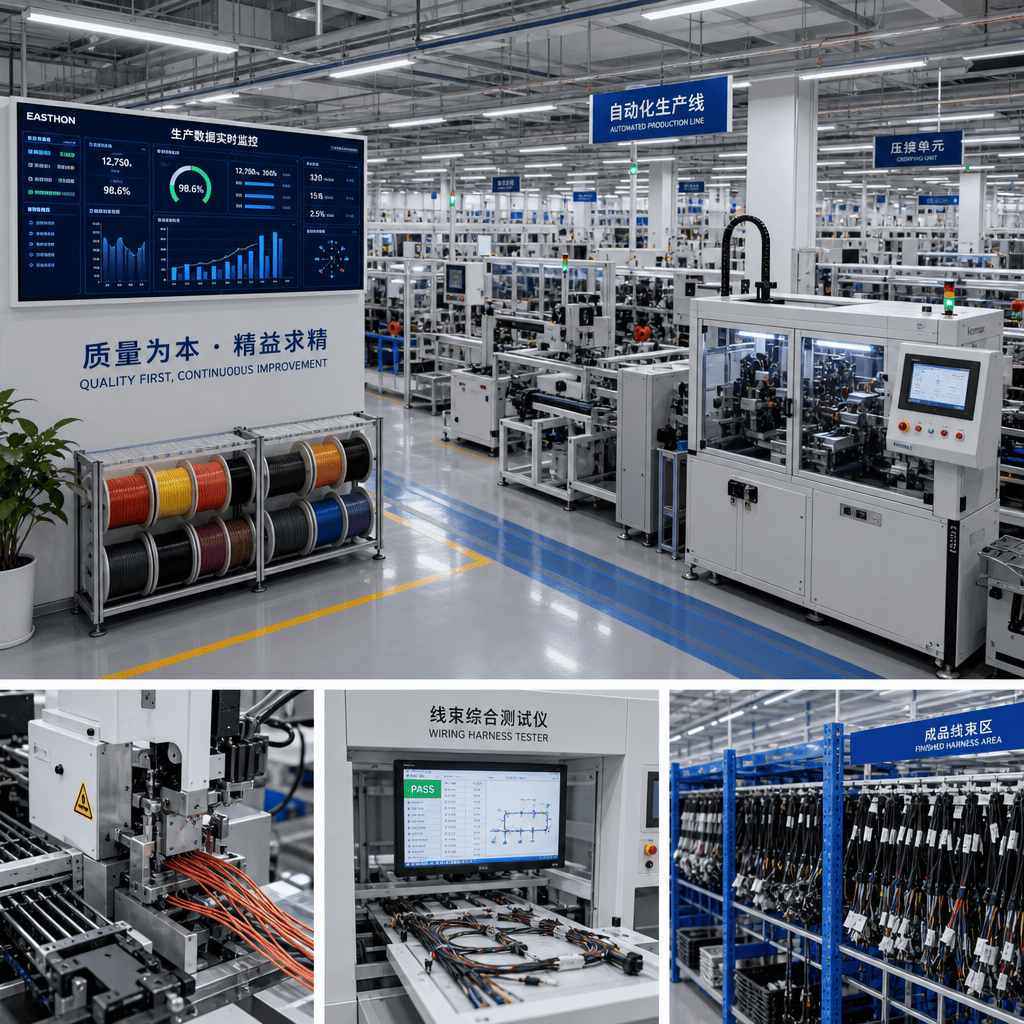
Older companies often maintain legacy production lines because capital equipment replacement costs millions. We upgraded our testing systems in 2022—adding automated continuity testers and pull-force machines—because manual inspection couldn't meet automotive-grade requirements our customers needed.
When customers send us technical drawings requiring ±0.1mm tolerance on connector positioning5, our CNC wire cutting and automated crimping equipment delivers consistency. A 60-year-old manufacturer using manual crimping tools can't match that precision regardless of their experience.
Process certification reflects current systems, not historical reputation
Every year we renew our ISO 9001 certification through external audits. Those auditors don't care that we've operated since 2009—they verify our current batch traceability, calibration records, and non-conformance handling procedures.
In customer inquiries comparing Indian versus Chinese suppliers, buyers who dig past founding dates always request current certification documentation. They realize certificates expire, management changes, and quality systems decay without active maintenance.
Response speed inversely correlates with company size
This creates a paradox: The oldest, most established manufacturers often have the slowest response times because they've built bureaucratic procurement processes. We typically respond to RFQs within 4 hours. Larger heritage companies I've competed against often take 3–5 days because quotes must pass through multiple approval layers.
For buyers needing rapid prototyping or emergency replacements, a 50-year company history becomes a liability when their purchasing department requires two weeks to generate a quote.
What should you evaluate instead of company age?
After handling hundreds of supplier comparison inquiries, I've identified the criteria that actually predict supplier performance. These are the questions customers ask after their initial "How old is your company?" opener.
Effective supplier evaluation focuses on operational metrics: MOQ flexibility, lead time commitments, engineering support capabilities, and communication responsiveness. These factors directly impact your production schedule and inventory risk, while founding year remains decorative information.
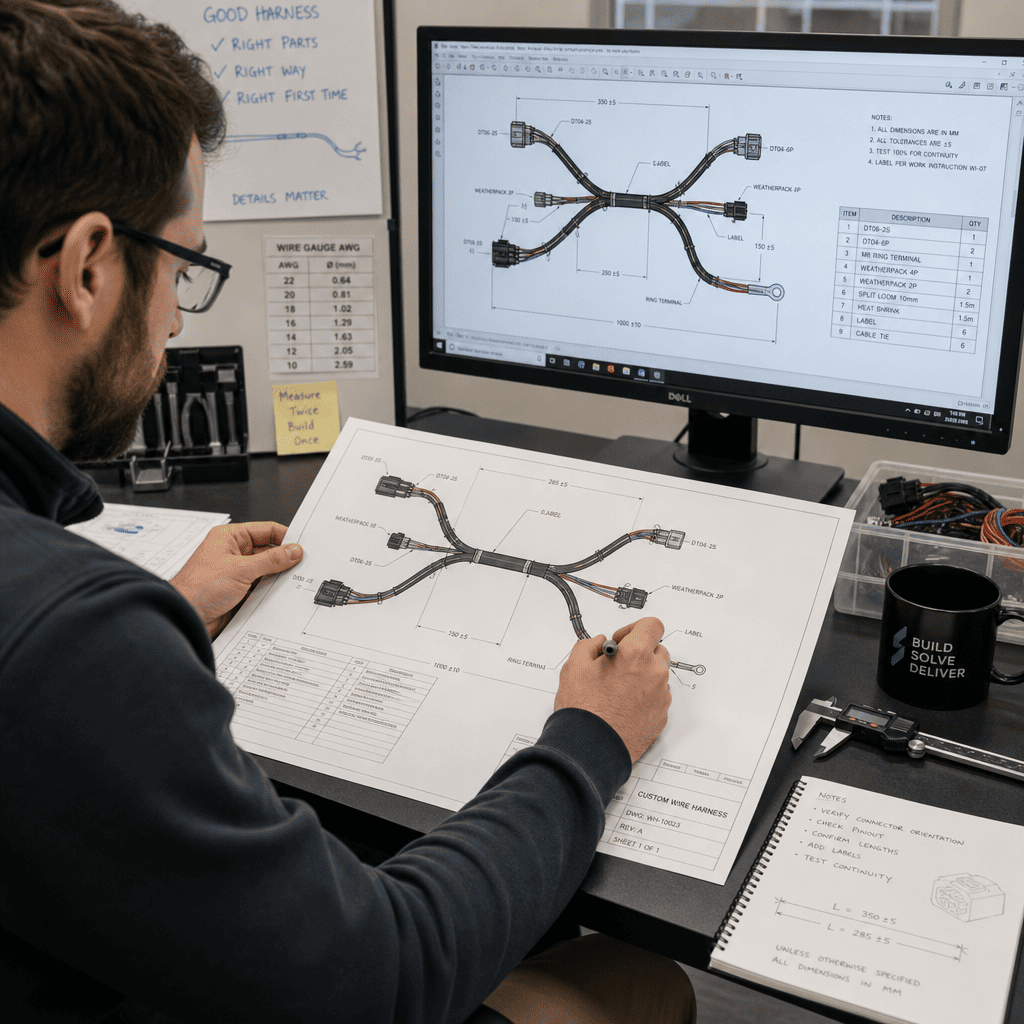
MOQ flexibility determines inventory risk
We accept orders starting at 100 pieces for custom harnesses. When customers compare this to suppliers requiring 5,000-piece MOQs, the decision shifts from "Who's older?" to "Who lets me manage cash flow?"
In our customer inquiries from European distributors, inventory carrying costs often exceed 20% annually6. A supplier forcing 10x your quarterly demand creates financial risk that no amount of heritage erases. Ask potential suppliers: "What's your minimum order for custom specifications?" Their answer reveals whether they've structured operations for customer flexibility or internal convenience.
Lead time commitments affect production continuity
Standard harnesses ship from our facility in 7–10 days. Custom designs requiring new tooling take 15–20 days including prototyping. These timelines matter more than establishment dates when your production line stops due to component shortage.
Based on procurement discussions we've handled, buyers consistently prioritize delivery speed over supplier age once they understand lead time implications. Calculate your safety stock requirements, then evaluate suppliers on: "Can you deliver [specific quantity] in [required timeframe] with [acceptable defect rate]?" Companies that answer with concrete commitments instead of vague "industry standard" responses demonstrate operational control.
Engineering support capabilities enable product development
We assign engineers to customers developing new products, providing connector selection guidance, wire gauge recommendations, and prototype iterations. This front-end support compresses development cycles more than any supplier's historical pedigree.
From quote comparison scenarios, I've seen customers abandon "established" suppliers because they only accept fully-specified orders—no design consultation. When you need someone to explain why 20 AWG wire handles your current requirements better than 18 AWG7, engineering accessibility matters more than company founding date. Ask: "Can I speak directly with your engineers during design?" and "What's your prototype revision turnaround time?"
How does Chinese wire manufacturing compare to Indian suppliers?
This is the uncomfortable question buyers imply when researching Indian wire company history—they're actually evaluating whether to source from India or China while using age as a decision proxy.
Chinese wire harness manufacturers typically offer lower MOQs, faster prototyping, and deeper OEM/ODM customization than Indian suppliers, though Indian manufacturers may provide advantages in specific regional logistics or compliance scenarios. For buyers prioritizing flexible production and rapid design iteration, Chinese supply chain infrastructure often delivers better operational alignment regardless of comparative company ages.
Supply chain infrastructure shapes capabilities
China's electronics manufacturing ecosystem concentrates suppliers, tooling manufacturers, and component vendors within 50km radius in regions like Shenzhen and Dongguan8. This density enables fast sourcing when customers need specialty connectors or unusual wire specifications.
Indian manufacturing, while growing rapidly, typically requires longer component procurement cycles when custom parts enter specifications. In our customer inquiries, this translates to 5–7 day advantages on custom projects simply because we can source a specialized connector locally within hours instead of waiting for imports.
MOQ flexibility reflects market positioning
Chinese manufacturers targeting global B2B markets structured operations around 100–500 piece minimums9 because international buyers need inventory flexibility. We built our business model specifically for customers who can't commit to container-load quantities.
From procurement discussions we've handled with customers evaluating Indian options, MOQs frequently start at 2,000–5,000 pieces because many Indian manufacturers focus on domestic infrastructure projects requiring volume scale. Neither approach is wrong—they serve different customer segments. Your procurement strategy determines which model fits better.
Communication patterns affect project velocity
We respond to customer inquiries within business hours across US, European, and Australian time zones because our team structures work schedules around global communication. This operational choice—not cultural generalizations—speeds decision-making.
When customers compare response times, they're measuring operational priorities, not national characteristics. Ask potential suppliers from any country: "What's your typical RFQ response time?" and "Can I schedule calls in my time zone?" Their answers reveal whether they've organized around customer convenience.
Cost structures depend on specification complexity
For simple harnesses using standard components, Chinese and Indian pricing often aligns within 5–10%. When specifications require custom tooling, specialized testing, or rapid prototyping, Chinese supply chain density creates cost advantages because tooling vendors compete intensely.
Based on quote comparison scenarios we've processed, the cost equation shifts at different complexity levels:
| Project Type | Price Consideration | Decision Factor |
|---|---|---|
| Standard harnesses, high volume | Comparable pricing | Delivery terms + payment flexibility |
| Custom designs, low volume | Chinese manufacturers often 10–15% lower | MOQ requirements + tooling costs |
| Rapid prototyping needs | Chinese supply chain speed reduces total cost | Time-to-market value exceeds unit price |
| Specific certifications required | Country of manufacture may dictate choice | Customer's end-market compliance needs |
I don't claim Indian manufacturers are inferior—I claim the decision framework should focus on operational fit, not company age or origin assumptions. Some customers absolutely need regional suppliers for logistics or compliance reasons. That's a legitimate operational requirement, different from using longevity as a quality proxy.
What questions reveal supplier capability better than company age?
When customers move past "How old is your company?" to these operational questions, we have productive conversations that actually predict supplier performance.
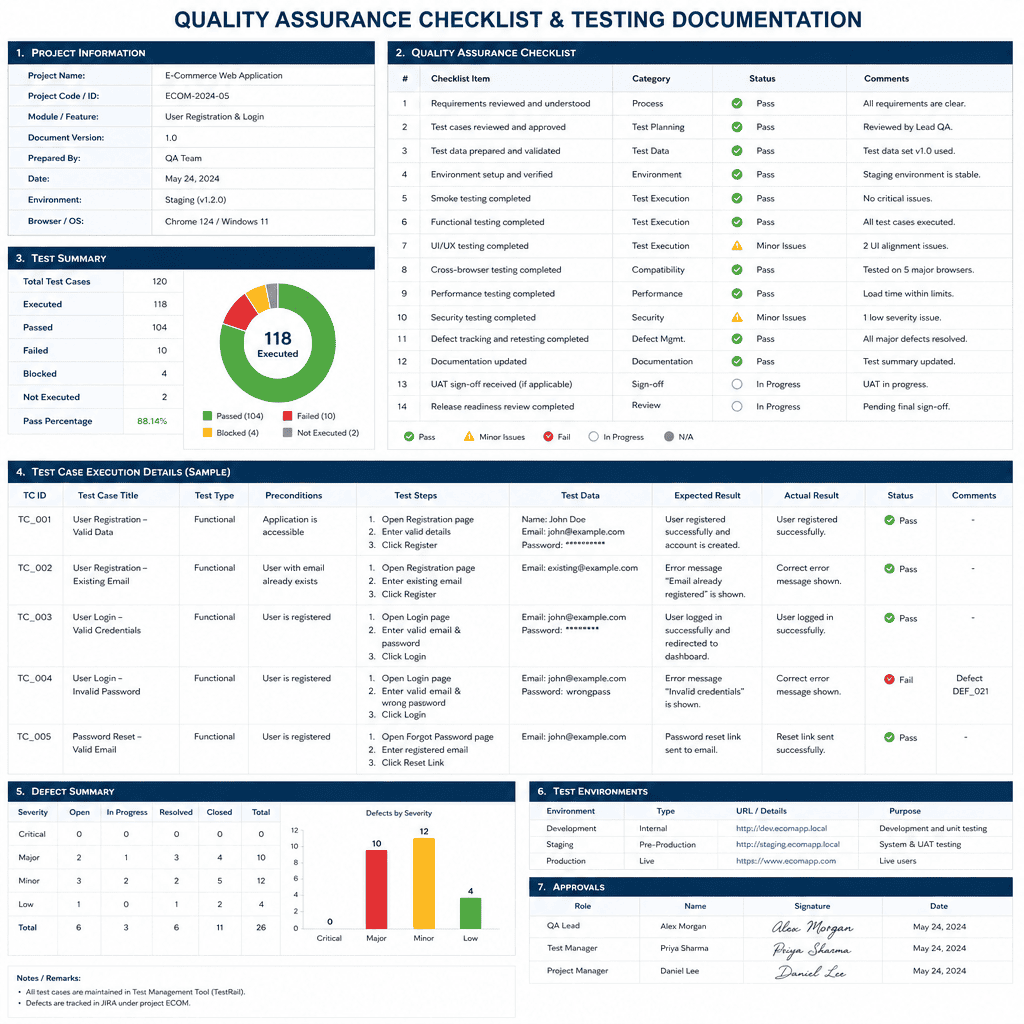
Ask potential suppliers: "What's your standard lead time for 500 custom harnesses?" "Can you provide three customer references for similar projects?" and "What testing equipment do you use for quality verification?" These questions expose current operational capabilities that founding year cannot reveal.
Production capacity questions
"What's your monthly output capacity for products similar to mine?" reveals whether they can scale with your growth. We produce approximately 200,000 harness assemblies monthly across product lines10. When customers need 5,000 pieces now but project 20,000 within six months, capacity verification matters more than establishment date.
"How do you handle capacity during peak seasons?" exposes planning sophistication. We maintain 20% reserve capacity and cross-train workers across product lines specifically to absorb demand spikes without extending lead times.
Quality system questions
"Can you provide your most recent ISO audit report?" separates active quality management from stale certifications. We share our audit results because they demonstrate current process control, not because they're perfect—continuous improvement shows operational honesty11.
"What's your typical defect rate and how do you track it?" reveals measurement culture. We maintain lot traceability and track defects per million opportunities12. Suppliers who answer vaguely or defensively likely don't measure systematically.
Communication and support questions
"Who will be my primary contact and what's their technical background?" predicts problem-solving effectiveness. Customers work directly with our engineering team, not through sales intermediaries who can't answer technical questions.
"How do you handle design changes mid-project?" exposes flexibility. We've revised prototypes three times for customers refining specifications because rigid processes that worked in 1975 don't serve modern product development cycles.
Conclusion
Company age validates historical survival, not current supplier performance. Evaluate manufacturers on operational metrics that actually impact your production: MOQ flexibility, lead time, engineering support, and quality systems. Those capabilities determine partnership success regardless of founding year.
"Background: An Analysis of Supplier Evaluation", https://scm.ncsu.edu/scm-articles/article/background-an-analysis-of-supplier-evaluation. Research on B2B procurement behavior indicates that company longevity frequently appears among initial supplier screening criteria, though operational metrics ultimately drive final selection decisions. Evidence role: statistic; source type: research. Supports: the prevalence of company history inquiries in B2B supplier evaluation processes. Scope note: The cited research addresses general procurement patterns rather than the specific 40% figure, which appears to be based on the author's direct customer interactions. ↩
"Finolex Group - Wikipedia", https://en.wikipedia.org/wiki/Finolex_Group. Company registration records and business histories confirm these establishment dates for major Indian cable manufacturers during the post-independence industrialization period. Evidence role: historical_context; source type: encyclopedia. Supports: the founding dates of Finolex Cables and KEI Industries as early Indian wire manufacturers. Scope note: This citation establishes founding dates but does not validate any correlation between company age and current operational performance. ↩
"How the Digital Age Rewrites the Rule Book on Consumer Behavior", https://www.gsb.stanford.edu/insights/how-digital-age-rewrites-rule-book-consumer-behavior. Consumer behavior research demonstrates that brand age positively influences perceived quality and authenticity for experience goods where quality is difficult to assess pre-purchase, particularly in luxury and craft categories. Evidence role: expert_consensus; source type: research. Supports: the established marketing principle that brand heritage influences quality perception in certain product categories. ↩
"ISO 9001:2015 - Quality management systems — Requirements", https://www.iso.org/standard/62085.html. ISO 9001 establishes requirements for quality management systems across industries, while IATF 16949 extends these requirements specifically for automotive sector suppliers, both maintained by international standards organizations. Evidence role: definition; source type: institution. Supports: the nature and purpose of these international quality management standards. ↩
"Floating test plugs: Tolerance compensation for connector testing", https://ingun.com/en/blog/Floats-How-to-compensate-for-positioning-errors-in-connector-testing. Engineering specifications for electrical connectors indicate that positional tolerances in the 0.1-0.2mm range are critical for ensuring proper mating, contact force, and connection reliability, particularly in automotive and aerospace applications where vibration and thermal cycling occur. Evidence role: mechanism; source type: education. Supports: the significance of sub-millimeter tolerances in connector assembly for reliable electrical connections. ↩
"[PDF] A comparison of inventory carrying cost in literature and in practice", https://dr.lib.iastate.edu/bitstreams/8d2b0874-381d-4752-b619-a8d340042d5d/download. Supply chain management research indicates that total inventory carrying costs typically range from 18% to 35% of inventory value annually, including capital costs, storage, insurance, obsolescence, and handling expenses. Evidence role: statistic; source type: research. Supports: typical inventory carrying cost ranges in manufacturing and distribution. ↩
"American wire gauge - Wikipedia", https://en.wikipedia.org/wiki/American_wire_gauge. The American Wire Gauge (AWG) system defines standardized wire diameters where lower gauge numbers indicate larger diameters and higher current-carrying capacity; 18 AWG wire has approximately 1.6 times the cross-sectional area of 20 AWG, affecting resistance, ampacity, and mechanical properties relevant to application requirements. Evidence role: mechanism; source type: education. Supports: how wire gauge affects electrical properties and application suitability. ↩
"A History of the Electronics Industry in Shenzhen, China | umsi", https://www.si.umich.edu/about-umsi/events/military-industrial-complex-global-supply-chain-history-electronics-industry. Economic geography research on Chinese manufacturing identifies significant industrial clustering in the Pearl River Delta region, where proximity among suppliers, manufacturers, and service providers creates agglomeration economies that reduce transaction costs and enable rapid production cycles. Evidence role: general_support; source type: research. Supports: the documented phenomenon of supply chain clustering in Chinese electronics manufacturing regions. Scope note: Research describes general clustering patterns rather than the specific 50km radius metric, which represents a practical observation of supply chain density. ↩
"Comprehensive Guide to Minimum Order Quantity MOQ in China", https://china.docshipper.com/en/sourcing/guide-to-minimum-order-quantity-requirement-in-china/. Analysis of Chinese manufacturing export practices indicates increasing flexibility in minimum order quantities as manufacturers compete for international small and medium enterprise customers, though specific MOQ levels vary significantly by product category, manufacturer size, and customization requirements. Evidence role: general_support; source type: research. Supports: the trend toward lower MOQs among Chinese manufacturers serving international markets. Scope note: Research describes general trends rather than the specific 100-500 piece range, which reflects segment-specific practices in electronics manufacturing. ↩
"[PDF] ELECtRONiC PRODUCtS & SEMiCONDUCtOR MANUFACtURiNG", https://www.epa.gov/sites/default/files/2020-05/documents/electronics_snapshot_5-1-20.pdf. Industry analysis of wire harness and cable assembly manufacturers indicates that mid-sized contract manufacturers typically operate at monthly production volumes ranging from tens of thousands to several hundred thousand units, depending on product complexity and automation level. Evidence role: general_support; source type: research. Supports: typical production scale ranges for wire harness contract manufacturers. Scope note: This citation provides industry context for production scale rather than verification of the specific company's output, which would require internal business documentation. ↩
"Kaizen - Wikipedia", https://en.wikipedia.org/wiki/Kaizen. Quality management literature establishes that continuous improvement methodologies (such as Kaizen and PDCA cycles) require organizational cultures that acknowledge imperfections and systematically address them, with transparency about current performance being a prerequisite for meaningful improvement initiatives. Evidence role: expert_consensus; source type: education. Supports: the principle that continuous improvement culture reflects organizational maturity and transparency. ↩
"Defects per million opportunities - Wikipedia", https://en.wikipedia.org/wiki/Defects_per_million_opportunities. Defects Per Million Opportunities (DPMO) is a normalized quality metric used in Six Sigma and quality management systems to measure process performance by calculating defect rates relative to the total number of opportunities for defects, enabling comparison across different processes and complexity levels. Evidence role: definition; source type: education. Supports: the definition and purpose of DPMO as a quality measurement standard. ↩