Most buyers searching for "top 10 cable companies" discover lists that look helpful but actually complicate their decision. These rankings often mix power-cable giants with electronics specialists, ignore minimum order requirements, and skip the factors that determine whether a supplier will respond to your inquiry. You click through names only to find yourself wasting time on companies that don't serve your market segment.
The real answer depends on what you're ordering, how many units you need, and how fast you need design support. Large global brands dominate revenue rankings but often decline orders below container-load minimums or require months for custom prototyping. Mid-size specialists in electronic connectors, wire harnesses, and cable assemblies frequently deliver faster, accept lower MOQs, and assign engineers to co-design solutions—making them more relevant for B2B buyers who value responsiveness over brand recognition.
Understanding why generic "top company" lists mislead procurement teams helps you build better supplier selection criteria. I've worked in pre-sales at EDOM Electronics for years, and the most common frustration I hear is buyers who contacted three or four big names from search results, received no reply or learned their 500-unit prototype run was too small, then had to restart their search with different criteria.
Does company size predict whether they'll accept your order?
Large revenue numbers signal scale but not accessibility. When procurement managers search "top cable companies," they often assume bigger means better service. In reality, conglomerates prioritize high-volume contracts, standardized products, and long-term supply agreements. If you need 200 custom wire harnesses for a pilot production run, a multi-billion-dollar manufacturer may route your inquiry to a form response and never assign a person.
Company size rarely correlates with willingness to serve small-to-medium orders. Global giants often enforce minimum order quantities in the thousands or require container-load shipments to justify logistics. Mid-size manufacturers specializing in OEM/ODM cable assemblies typically accept flexible MOQs starting at 100–500 units, assign dedicated engineers for design consultations, and respond to inquiries within 24 hours rather than weeks.
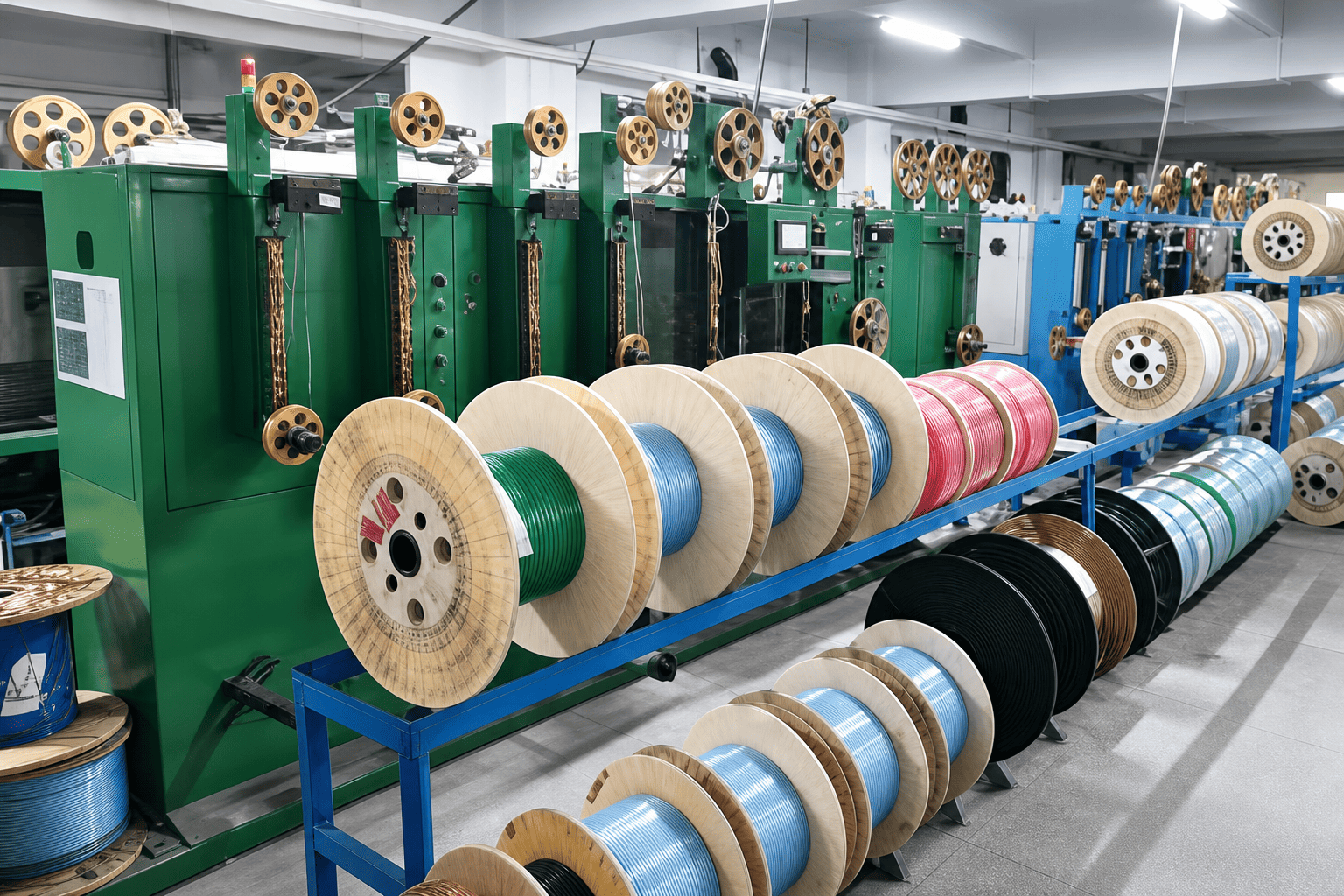
Revenue rankings don't reveal the operational model underneath. Some top-listed companies manufacture only power cables for infrastructure projects—underground transmission lines, industrial motor feeds, building wiring—products unrelated to the electronic interconnects most B2B buyers need. Others focus on consumer retail markets through distribution partners, making direct procurement difficult for OEM manufacturers. A third group operates primarily in domestic markets and lacks export infrastructure for international buyers.
When I review inquiry patterns, I notice buyers assume a company on a "top 10" list will automatically handle their product category. They contact Southwire or Prysmian expecting electronic connector expertise, only to discover those firms specialize in heavy-gauge power cable. Conversely, they overlook specialists like TE Connectivity or Amphenol because those names appear lower in generic search results despite being better matches for electronic applications.
The practical decision involves checking whether a supplier's product catalog overlaps with your application. Look for product categories—RF cable assemblies, flat ribbon cables, automotive wire harnesses, medical-device interconnects—not just "cables." Verify whether they list minimum order policies publicly or require quote requests to learn MOQs. Review whether case studies or product galleries show projects similar in scale and complexity to yours.
Geographic location also influences service quality more than most buyers expect. A United States–based buyer ordering 300 custom harnesses faces different lead times and communication challenges depending on whether the supplier operates factories in China, Mexico, or domestically. China-based manufacturers offer lower unit costs but require clearer specifications upfront because time-zone gaps slow iterative design discussions. Domestic suppliers charge higher prices but enable faster prototyping cycles and same-day engineering calls.
What product categories separate power-cable giants from electronics specialists?
Many "top cable company" rankings mix infrastructure contractors with interconnect manufacturers, creating confusion about which suppliers match your needs. Understanding product-line differences helps you filter lists faster and contact relevant vendors first.
Power-cable manufacturers produce heavy-gauge wiring for utilities, construction, and industrial equipment—products engineered for electrical transmission rather than signal integrity. Electronics cable specialists manufacture interconnects designed for data, RF signals, and low-voltage control systems, requiring different materials, testing standards, and design expertise. Mixing these categories in supplier searches wastes time because engineering teams, certifications, and production equipment don't overlap.
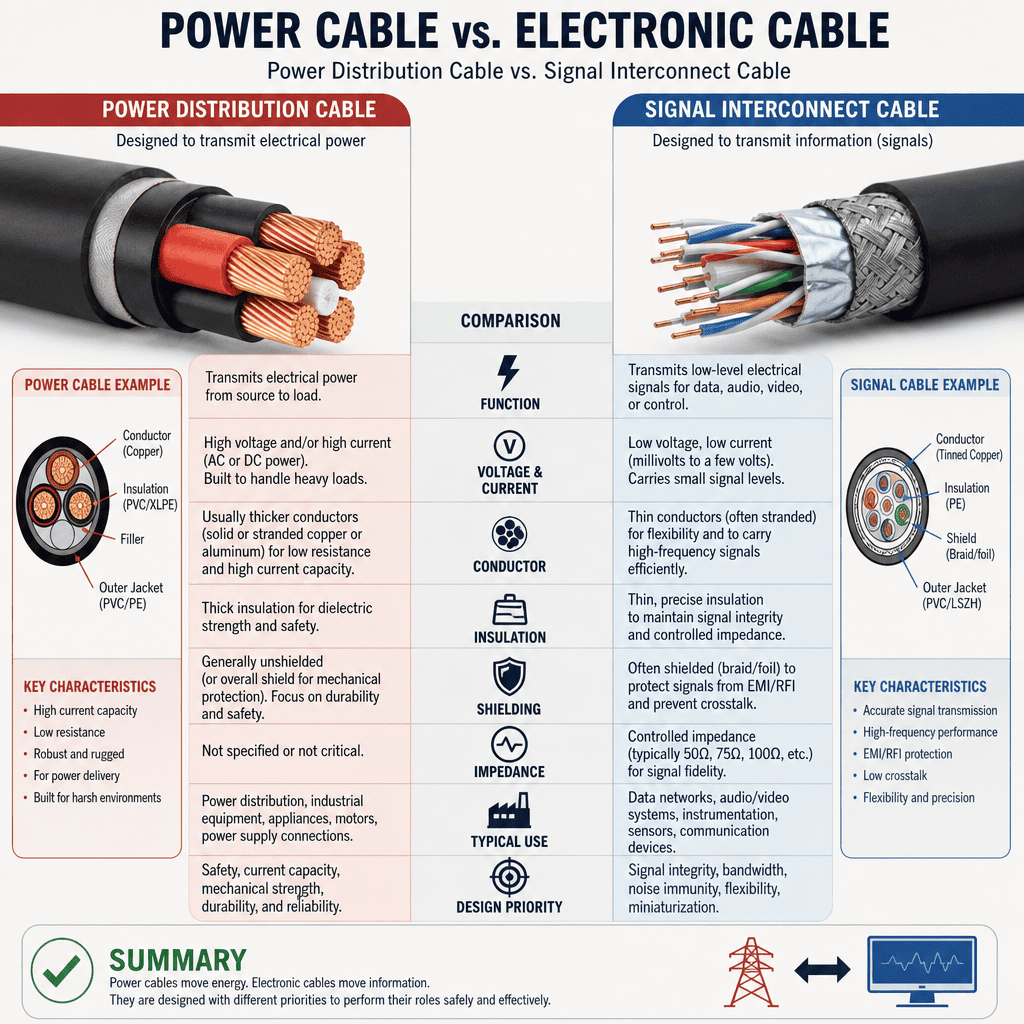
Companies like Nexans, Prysmian Group, and General Cable dominate global revenue rankings because they supply power infrastructure projects worth millions per contract. Their product lines focus on medium-voltage distribution cables, submarine power links, overhead transmission wires, and building electrical systems. These firms rarely manufacture the ribbon cables, coaxial assemblies, or custom wire harnesses that OEM electronics manufacturers need. Their engineering teams specialize in insulation materials for high-voltage applications, not shielding techniques for EMI suppression in PCB interconnects.
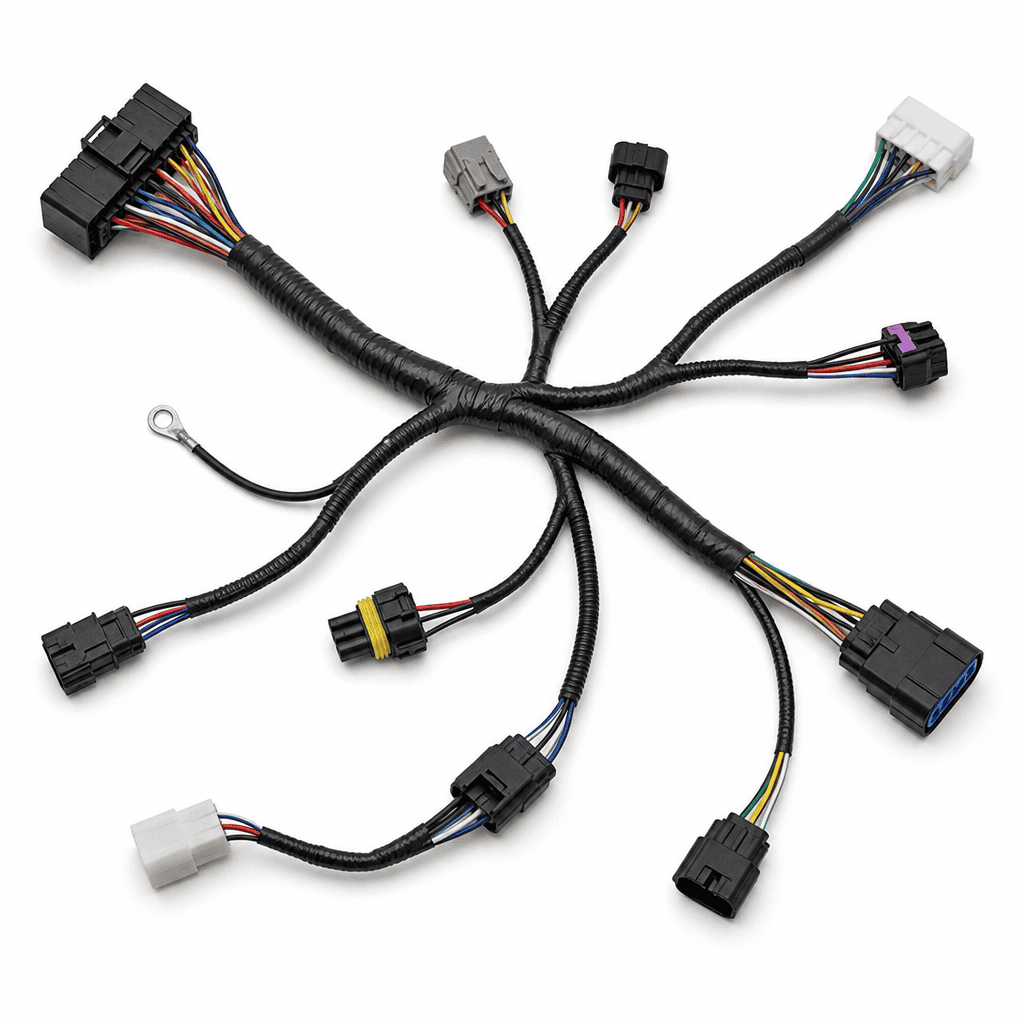
Conversely, suppliers like TE Connectivity, Molex, Amphenol, and JAE Electronics concentrate on electronic connectors and cable assemblies. Their catalogs feature board-to-board connectors, circular connectors, USB cables, HDMI assemblies, automotive sensor harnesses, and medical-device interconnects. These companies invest in testing labs for signal integrity, impedance matching, and crosstalk—parameters irrelevant to power-cable applications but critical for data transmission and RF performance.
| Supplier Type | Primary Products | Typical Applications | Engineering Focus | Likely MOQ Range |
|---|---|---|---|---|
| Power Cable Conglomerates | MV/HV cables, building wire, industrial power feeds | Utility grids, construction, heavy machinery | Insulation for voltage, thermal resistance | Container loads, 10,000+ meters |
| Electronics Interconnect Specialists | Connectors, ribbon cables, coaxial assemblies, custom harnesses | Consumer electronics, automotive, medical devices, telecom | Signal integrity, EMI shielding, miniaturization | 100–1,000 units for custom, lower for standard catalog |
| Hybrid Manufacturers | Both power distribution and signal cables | Industrial automation, transit systems | Mixed teams, sometimes separate divisions | Varies by product line |
| Regional OEM/ODM Shops | Custom wire harnesses, cable assemblies tailored to client specs | Niche equipment makers, prototyping, low-volume production | Co-design support, rapid iteration | 50–500 units, negotiable |
When I walk buyers through this distinction, the most common reaction is surprise. They didn't realize "cable company" encompasses such different product worlds. A procurement manager searching for 200 custom USB-C cable assemblies contacts Southwire because it ranks high in search results, only to learn Southwire manufactures residential building wire and has no USB product line.
Filtering by product category before contacting suppliers saves weeks. Check whether the company's website lists categories matching your application—automotive harnesses, medical-grade cables, RF coaxial assemblies, flat flexible cables. Review datasheets or product galleries for projects similar in complexity and scale to yours. Verify certifications relevant to your industry, such as UL for electronics, ISO 13485 for medical devices, or IATF 16949 for automotive applications.
Some large manufacturers operate separate divisions for power and electronics, creating ambiguity in rankings. ABB, for example, produces both industrial power cable and automation control harnesses, but buyers often reach the wrong division first. Clarifying which business unit handles your product category upfront prevents referrals and delayed responses.
Which global companies appear most often in supplier rankings?
Certain names dominate search results and revenue-based lists, but their relevance varies depending on what you're ordering. Knowing why each company ranks high helps you decide whether to contact them or skip to better-fit alternatives.
Prysmian Group, Nexans, and General Cable lead global rankings because they supply large-scale power infrastructure projects. TE Connectivity, Amphenol, and Molex rank high in electronics interconnect searches because they manufacture connectors and cable assemblies for OEM applications. Contacting the wrong category wastes time—buyers needing custom electronic harnesses should prioritize interconnect specialists over power-cable conglomerates.

Prysmian Group operates in over 50 countries and generates billions in annual revenue from submarine power cables, utility distribution networks, and telecom fiber. Their scale makes them a logical first search result, but their product focus and MOQ policies don't align with small-to-medium electronics buyers. If you need 500 custom sensor cables for a medical device prototype, Prysmian's sales team will likely refer you elsewhere or not respond.
Nexans follows a similar model, concentrating on energy infrastructure and industrial power applications. Their engineering expertise centers on high-voltage insulation, fire-resistant materials for building codes, and subsea cable installation. They manufacture some control cables for industrial automation, but custom orders below container-load quantities rarely meet their project thresholds.
General Cable, now part of Prysmian, also focuses on construction and utility markets. Buyers searching for electronic interconnects often contact them based on name recognition, only to discover product catalogs limited to building wire, portable cord, and industrial power cable. Their minimum order policies favor distributors ordering full reels, not OEM manufacturers needing 200 custom assemblies.
TE Connectivity ranks high in electronics-focused searches because they manufacture connectors, sensors, and cable assemblies for automotive, aerospace, medical, and consumer electronics. Their product range includes board-to-board connectors, circular connectors, coaxial cables, and custom harness solutions. However, their MOQs often start in the thousands for custom designs, and lead times extend to 12–16 weeks for new tooling. Small buyers appreciate their technical datasheets but struggle with volume requirements.
Amphenol specializes in high-reliability interconnects for harsh environments—military, aerospace, industrial automation, and telecom infrastructure. Their engineering teams excel at ruggedized connectors, fiber-optic assemblies, and RF cable solutions. Custom projects require detailed specifications and often involve iterative prototyping, which Amphenol supports better than power-cable giants but still favors buyers committing to production volumes above 1,000 units.
Molex focuses on consumer electronics, automotive, and data-center interconnects. Their catalog features FPC connectors, USB cables, HDMI assemblies, and wire-to-board solutions. They operate global manufacturing facilities and offer standard catalog items at competitive prices. Custom orders require engineering review and tooling commitments, making them suitable for buyers transitioning from prototype to production but less flexible for one-off design iterations.
JAE Electronics and Hirose Electric serve similar markets with emphasis on compact, high-density connectors for mobile devices, medical equipment, and industrial automation. Both companies maintain strong engineering support but enforce MOQs aligned with production runs rather than prototyping needs.
When I discuss these companies with buyers, the recurring theme is mismatch between search visibility and order acceptance. A procurement manager sees TE Connectivity or Amphenol in top results, assumes they'll handle any cable-related inquiry, and then learns their 300-unit prototype order requires a custom quote process lasting weeks—or gets declined outright due to volume thresholds.
Do minimum order quantities vary significantly across ranked suppliers?
MOQ policies determine whether a supplier will accept your order more than any other factor. Rankings by revenue or global reach don't reveal these thresholds, yet they control access.
Large interconnect manufacturers typically enforce MOQs starting at 1,000 units for custom cable assemblies and 5,000–10,000 units for new connector tooling. Mid-size OEM/ODM specialists accept flexible minimums as low as 50–500 units, enabling prototype runs and pilot production without forcing buyers into excess inventory. Checking MOQ policies before contacting suppliers prevents wasted time on vendors who won't serve your order size.
Power-cable conglomerates rarely publish MOQ figures because they assume buyers will order in bulk—full reels, container loads, or annual supply contracts. When pressed, their sales teams quote minimums measured in kilometers or total dollar value exceeding $50,000 per order. This model works for distributors and large-scale projects but excludes electronics manufacturers needing 200 custom harnesses.
Connector specialists like TE Connectivity and Molex publish catalog items available in small quantities through distributors, but custom assemblies trigger different policies. New tooling for a proprietary connector design might require 10,000-unit commitments to amortize mold costs. Cable assemblies using standard connectors drop to 1,000–2,000 unit minimums, still too high for many buyers in prototyping or low-volume production stages.
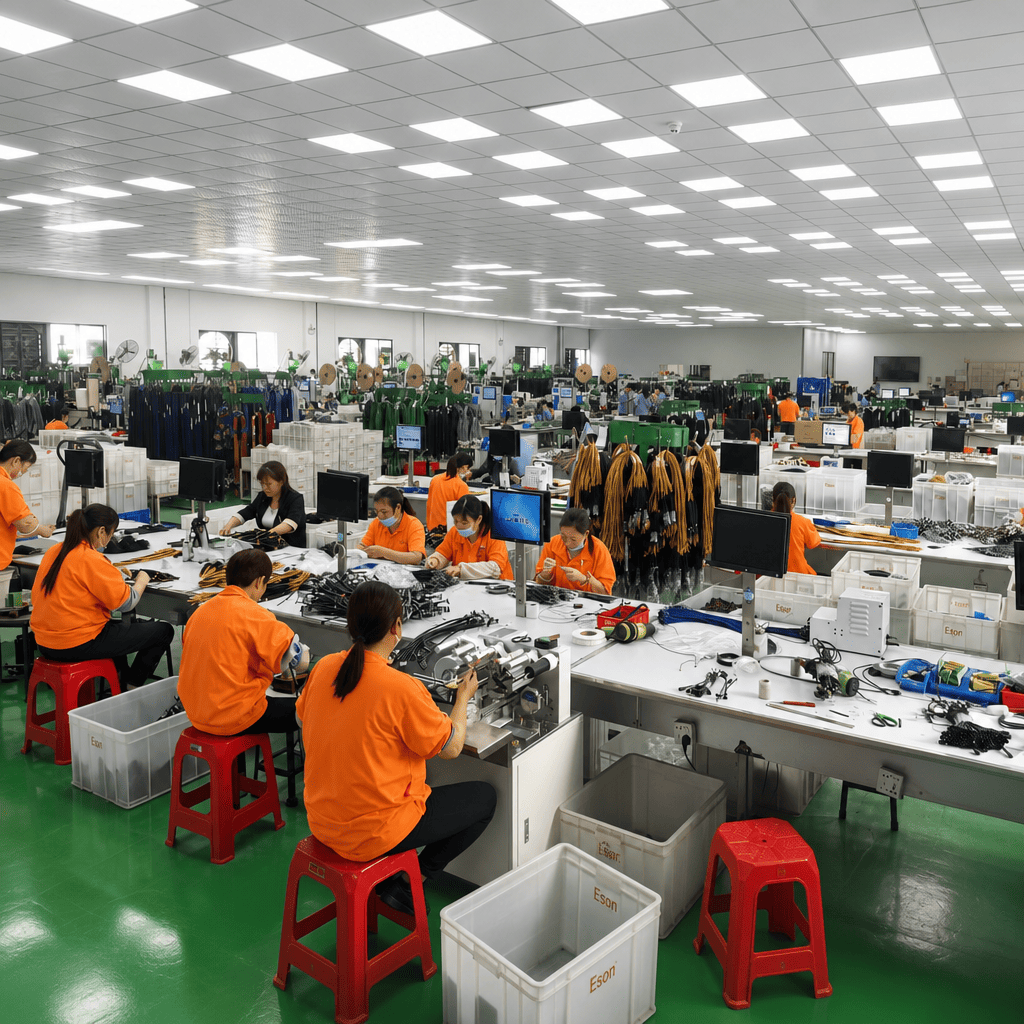
Regional OEM/ODM manufacturers differentiate themselves by accepting lower MOQs. Suppliers based in China, Taiwan, or Southeast Asia often quote 100–500 unit minimums for custom wire harnesses because their cost structures and production flexibility support smaller runs. At EDOM Electronics, we regularly handle orders starting at 100 units for custom assemblies, enabling buyers to test designs in pilot production before scaling. This approach reduces upfront investment and avoids excess inventory risk.
MOQ flexibility also depends on product complexity. Simple two-conductor power cords with standard connectors may accept 50-unit minimums because assembly requires minimal labor. Complex multi-conductor harnesses with overmolded connectors, shielding, and custom labeling might require 500-unit minimums to justify setup time and material sourcing.
Buyers often overlook the hidden costs of high MOQs. Ordering 5,000 units to meet a supplier's minimum when you only need 500 for pilot production ties up capital, creates warehousing costs, and risks obsolescence if design changes occur after field testing. Conversely, paying slightly higher per-unit costs at a low-MOQ supplier preserves cash flow and enables faster iteration.
When reviewing supplier options, ask explicitly about MOQ policies for custom orders before sharing detailed specifications. Request separate quotes for prototype quantities (e.g., 50–100 units) and production quantities (e.g., 1,000+ units) to understand cost scaling. Verify whether tooling fees apply and whether the supplier retains or transfers tooling ownership after payment.
Some manufacturers waive MOQ minimums for established customers or charge premium pricing for small runs. Others refuse small orders outright, preferring to focus capacity on high-volume contracts. Knowing these policies upfront helps you avoid investing time in technical discussions with suppliers who ultimately won't accept your order.
How does geographic location affect supplier responsiveness and lead times?
Where a supplier operates determines communication speed, shipping costs, and production flexibility more than buyers expect. Rankings rarely mention geography, yet it controls whether you can iterate designs quickly or wait months for prototypes.
China-based manufacturers offer lower unit costs but require precise upfront specifications because time-zone differences slow real-time design discussions. United States or European suppliers charge higher prices but enable same-day engineering calls and faster prototyping cycles. Lead times vary from 2–3 weeks for domestic suppliers to 8–12 weeks for overseas production, excluding shipping delays.
Time-zone gaps create practical challenges for iterative design work. If your engineering team in California needs clarification on connector pin assignments or cable shielding details, a supplier in Shenzhen can't respond until your team leaves the office. Email exchanges stretch single-day questions into three-day cycles. This delay matters less for well-defined production orders but significantly slows prototype development requiring frequent adjustments.
Language and communication style also vary. Suppliers in China, Taiwan, and Southeast Asia often communicate through sales representatives with strong English skills, but technical discussions sometimes require translation or clarification. Domestic suppliers enable direct engineer-to-engineer calls, reducing miscommunication risk. Buyers needing complex custom solutions benefit from real-time technical dialogue, while buyers ordering standard products from clear datasheets face fewer communication barriers.
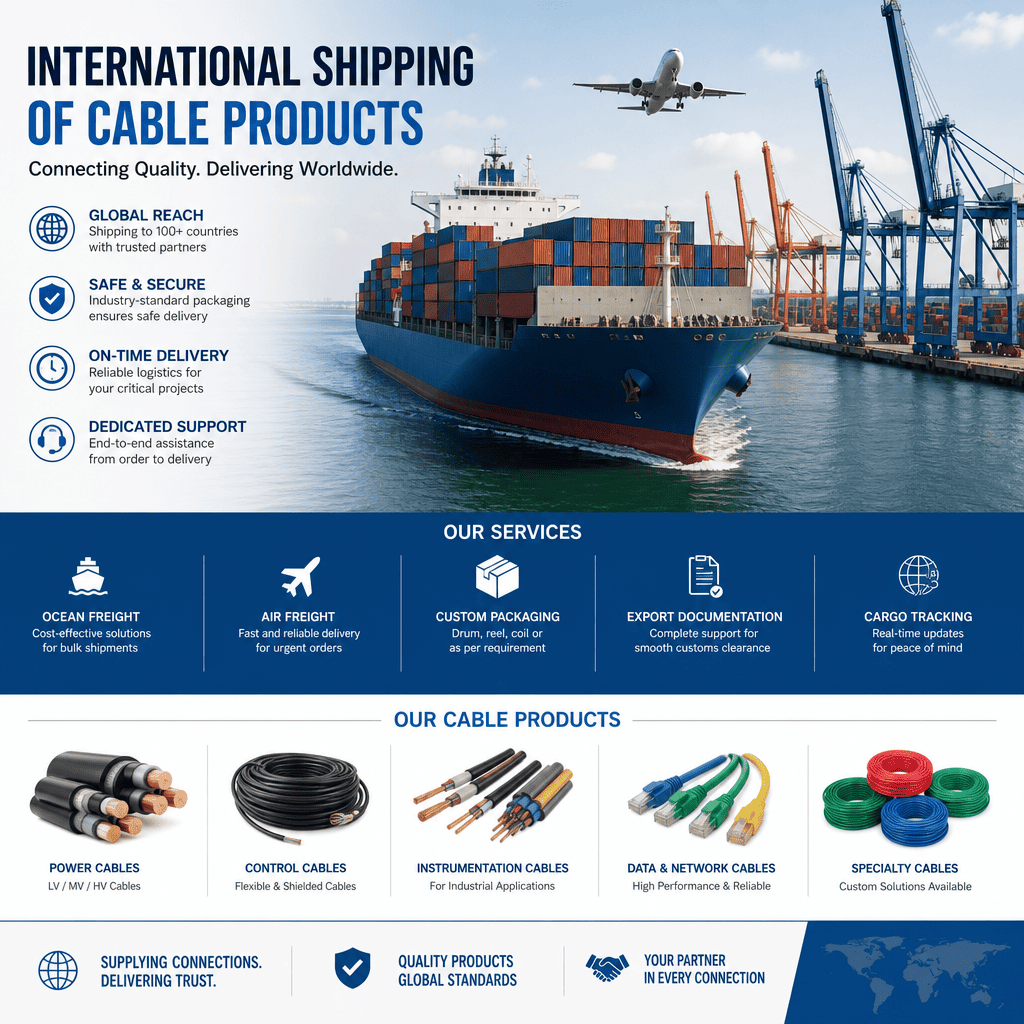
Lead times divide into prototype development and production runs. Domestic suppliers in the United States or Europe typically quote 2–3 weeks for prototype cable assemblies and 4–6 weeks for production orders below 1,000 units. China-based manufacturers quote 4–6 weeks for prototypes and 8–12 weeks for production, excluding shipping time. Air freight adds 5–7 days; ocean freight adds 4–6 weeks but reduces per-unit shipping costs for large orders.
Shipping costs and customs procedures add hidden expenses. Importing 500 custom harnesses from China requires dealing with import duties, customs documentation, and potential inspection delays. Domestic suppliers eliminate these steps, simplifying procurement and reducing total landed cost for small orders. Buyers ordering 5,000+ units often find overseas production worthwhile despite logistics complexity because per-unit savings outweigh shipping expenses.
Manufacturing flexibility also differs by region. China-based suppliers often maintain extensive component inventories and flexible production schedules, enabling faster material sourcing for custom orders. They can switch between projects with shorter setup times because labor costs support smaller batch runs. United States suppliers face higher labor costs, making frequent changeovers less economical and sometimes extending lead times for low-volume custom work.
Quality control and testing procedures vary by supplier, not just geography. Some China-based manufacturers maintain ISO 9001 certification, controlled testing labs, and rigorous inspection protocols matching or exceeding Western standards. Others operate with minimal documentation and inconsistent processes. Due diligence matters more than location—requesting test reports, process certifications, and customer references reveals actual quality systems regardless of where a factory sits.