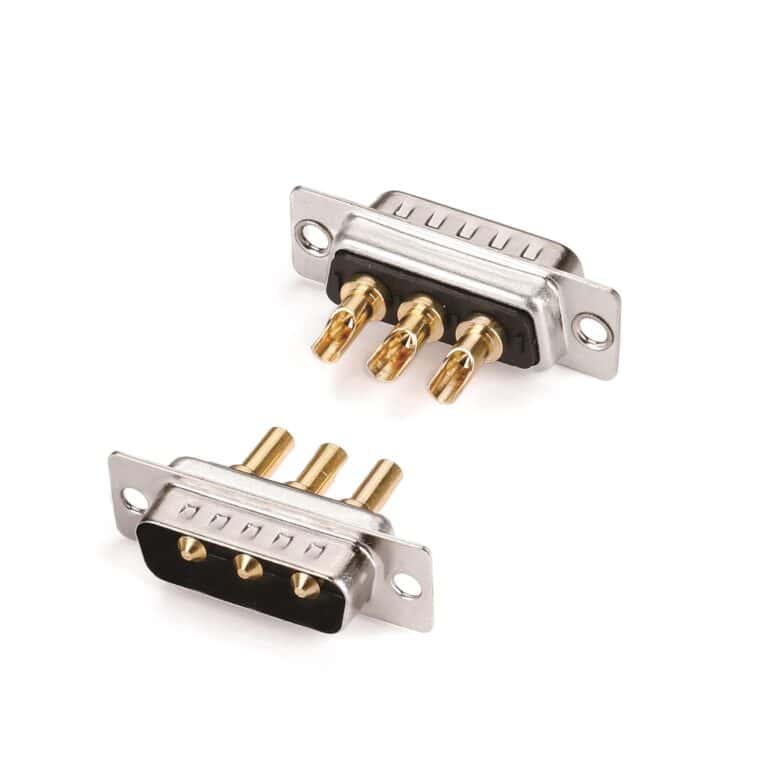
In the complex machinery of modern industry, wire harnesses operate silently but indispensably. These organized bundles of cables, connectors, and terminals are the nervous system of virtually every electrical system, enabling reliable power distribution and signal transmission. From the vehicle you drive to the aircraft that defies gravity and the medical device that saves lives, wire harnesses ensure critical functions perform without fail. Without them, engineers would be left managing a chaotic tangle of individual wires, dramatically increasing the risk of short circuits, system failures, and maintenance disasters. This article takes you deep into the world of wire harness manufacturing: how they are made, where they are used, and how to select the best manufacturing partner for your B2B needs.

The Unsung Hero of Modern Industry: Why Wire Harnesses Matter
Despite their low profile, wire harnesses are a cornerstone of industrialization. They streamline production by replacing loose wiring with a single plug-in component, drastically reducing installation time and human error. In an automotive assembly plant, a pre-assembled harness can be integrated in minutes rather than hours. This not only accelerates throughput but also enhances safety and reliability. For industries where failure is not an option—aerospace, defense, and surgical robotics—a high-quality wire harness is a mission-critical asset. As systems become more electrified and data-driven, the demand for sophisticated harnesses continues to surge, making them a strategic focus for procurement professionals and engineers alike.
Defining Wire Harness Manufacturing: More Than Just Assembling Wires
A wire harness is a pre-assembled grouping of wires, cables, and associated components—connectors, terminals, sleeves, and protective sheathing—engineered to route and protect electrical signals and power within a larger system. It is distinct from a simple cable assembly (typically a single cable with connectors at each end) by its complexity: harnesses often feature multiple branches, junctions, and a variety of termination styles. The manufacturing process begins with interpreting detailed 2D schematics and, increasingly, 3D models that map exactly how the harness will sit within its final environment. From there, it involves precision cutting, stripping, crimping, and rigorous testing to meet exacting standards. Tracing its roots to the simple cotton-wrapped looms of early automobiles, today’s wire harness manufacturing has evolved into a high-tech discipline incorporating automation, data analytics, and advanced materials science.
Inside the Manufacturing Process: A Step-by-Step Walkthrough
Understanding the stages of wire harness production clarifies the complexity and value embedded in the final product. The process typically follows these steps:
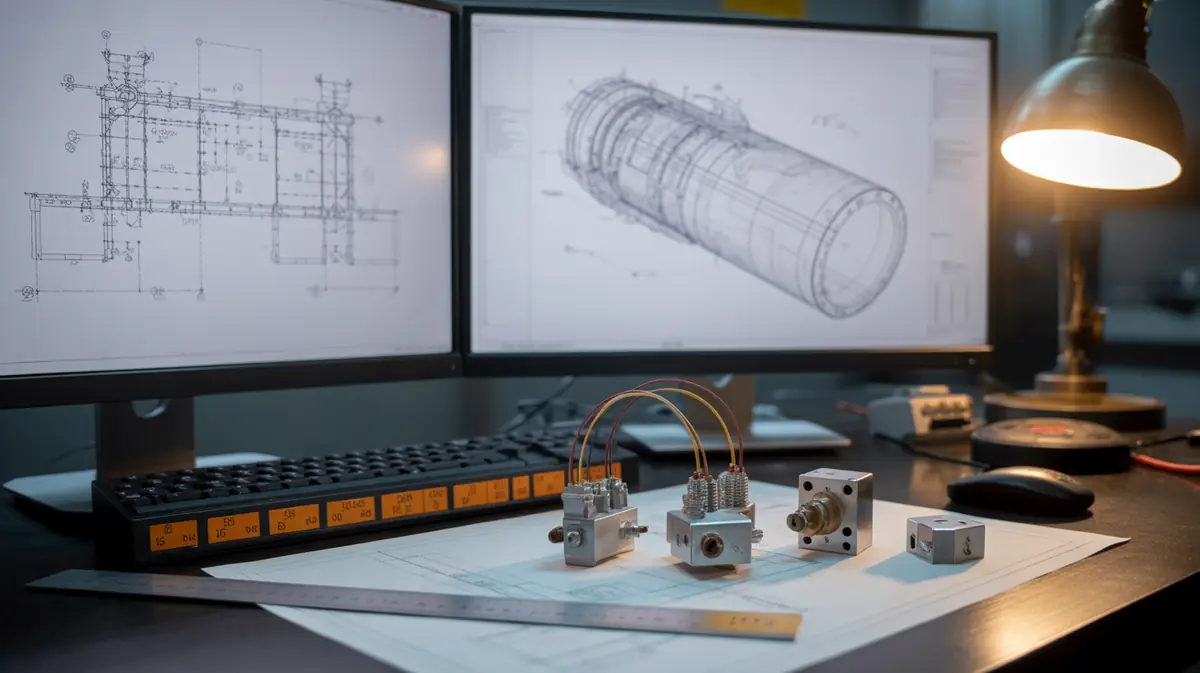
- Design and Engineering: Engineers translate customer requirements—electrical loads, environmental conditions, space constraints—into detailed engineering drawings. Harness design software generates the schematic, branch table, and bill of materials.
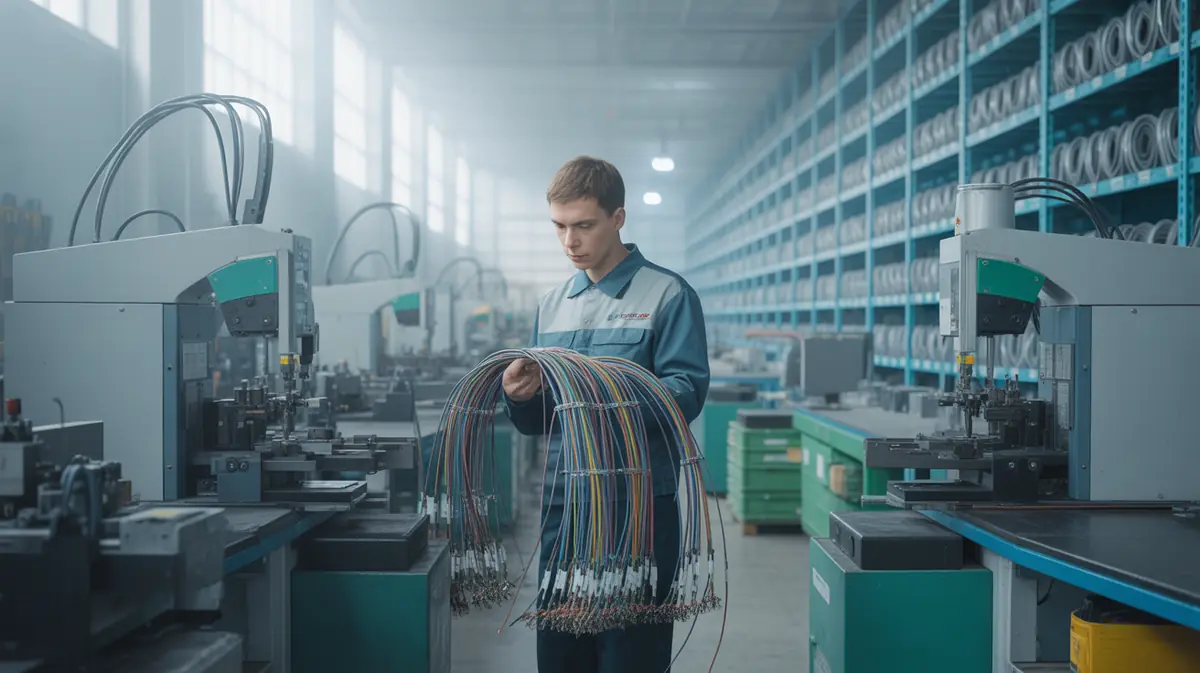
- Wire Preparation: Automated cut-and-strip machines process wire reels, cutting thousands of wires daily to exact lengths and stripping insulation from ends. This stage demands high accuracy to avoid scrap and rework.
- Crimping and Termination: Terminals and connectors are attached using semi- or fully-automated crimping presses. Crimp force monitoring systems ensure each connection meets mechanical and electrical specifications, as a faulty crimp is the most common source of field failures.
- Assembly and Routing: Wires are laid out on a formboard—a full-scale diagram of the harness—and manually or robotically routed, tied, and taped. Operators insert wires into connector housings and apply protective coverings like corrugated tubing or braided sleeving.
- Quality Assurance: Every harness undergoes electrical continuity and hipot (high potential) testing to check for shorts, opens, and insulation integrity. Many manufacturers also perform pull tests on crimps and visual inspections against IPC/WHMA-A-620 standards.
- Packaging and Labeling: Finished harnesses are coiled, bagged, and labeled with barcodes for traceability. Just-in-time delivery schedules are common, especially in automotive supply chains.
Where the Demand Lies: Key Industries and Their Harness Requirements
The global wire harness market is projected to reach $150 billion by 2030[1], driven primarily by electrification and automation trends. The automotive sector accounts for roughly 50%[2] of this demand, but each industry imposes unique specifications:
- Automotive (including EVs): Traditional internal combustion engine vehicles contain over a mile of wiring[3], while electric vehicles (EVs) require high-voltage harnesses for battery packs and electric motors. Heat resistance, vibration durability, and weight reduction are paramount. Major automotive harness suppliers like Aptiv, Yazaki, and Sumitomo Electric dominate this space, innovating with aluminum conductors and integrated electronics.
- Aerospace and Defense: Harnesses here must withstand extreme temperatures, pressure variations, and exposure to chemicals. Materials like Teflon and lightweight composite backshells are standard, and traceability down to the individual wire level is mandatory per AS9100 requirements.
- Industrial Automation: Factory robotics, CNC machines, and process control panels rely on robust harnesses that resist oil, flexing, and EMI. Quick disconnect designs facilitate maintenance and modular machine builds.
- Medical Devices: Miniaturization is key for diagnostic imaging equipment, surgical robots, and patient monitors. Harnesses must be flexible, sterilizable, and biocompatible where needed, often incorporating shielded cables to protect sensitive signals.
This diversity means no single manufacturer can excel across all sectors; specialization is common.
Manual vs. Automated Assembly: A Comparative Analysis for Quality and Scale
Wire harness manufacturing sits at a crossroads between manual dexterity and machine precision. For buyers evaluating potential suppliers, understanding the trade-offs is critical:
- Manual Assembly: Best suited for low-volume, highly complex, or frequently changing designs. Skilled operators can make real-time adjustments and handle delicate components. Upfront investment in tooling is minimal, but labor costs are higher and process variability can lead to error rates of 1–2%[4]. This approach often prevails in prototype builds and aerospace harnesses.
- Automated Assembly: High-speed cutting, crimping, and testing machines deliver throughput up to ten times[5] that of manual processes, with defect rates below 0.1%[6]. Cycle times for repetitive tasks can shrink by 40–60%[7]. However, automation requires significant capital expenditure and is less flexible for design changes. It is ideal for high-volume production lines such as automotive and consumer appliance harnesses.
Many advanced manufacturers employ a hybrid model: automated wire preparation and crimping, followed by manual assembly on formboards, with automated electrical testing. This balances cost, quality, and flexibility. When qualifying a supplier, ask for data on their defect rates, throughput, and how they handle engineering change orders.
Choosing the Right Wire Harness Manufacturer: A Checklist for B2B Buyers
Selecting a wire harness manufacturing partner goes beyond per-unit cost. A systematic evaluation prevents production delays and quality issues downstream. Use the following checklist to guide your decision:
- Certifications and Standards Compliance: At minimum, look for IPC/WHMA-A-620 (the industry standard for cable and wire harness assemblies) and ISO 9001. Automotive programs require IATF 16949; aerospace demands AS9100. These certifications are non-negotiable proxies for a quality management system.
- Engineering Support: Can the manufacturer assist with design for manufacturability (DFM)? Do they offer prototyping services and the ability to create 3D harness models from your schematics? A true partner will suggest improvements that reduce cost or improve reliability.
- Quality Control Infrastructure: Inspect their testing capabilities—circulating continuity testers, hipot testers at production speed, and preferably automated optical inspection (AOI) systems. Request data on internal defect rates and how traceability is maintained from raw material lot to finished product.
- Supply Chain Resilience: Probe into their raw material sourcing: copper wire, connectors, and plastics. Geopolitical and logistical disruptions can cripple lead times. A manufacturer with diversified suppliers and regional warehousing reduces your risk.
- Scalability and Customization: Can they ramp from 100 units per month to 10,000 without compromising quality? Assess their facility footprint and workforce agility. Request case studies or references from companies in your industry.
A virtual or in-person facility tour is one of the best ways to validate claims. Observe workflow organization, tool calibration records, and how operators interact with quality systems.
The Future of Wire Harness Manufacturing: Smart Factories and Sustainable Practices
The wire harness landscape is being reshaped by digitalization and environmental imperatives. Industry 4.0 technologies are making inroads: IoT sensors on crimping machines capture force data in real time[8], AI algorithms analyze images to detect defects invisible to the human eye, and digital twins simulate harness performance before physical prototypes are built. These tools reduce rework, improve first-pass yield, and enable predictive maintenance on equipment.
Materials are also evolving. To offset the rising cost of copper, aluminum wiring is gaining acceptance in automotive power distribution, bringing weight savings of up to 40%[9]. Advanced polymers and nanocomposites are being used for lighter, flame-retardant sheathing. Sustainability is no longer an afterthought: manufacturers are implementing closed-loop recycling for copper scrap[10], using bio-based plastics for connector housings, and designing harnesses for easier disassembly at end-of-life. For EV-specific applications, high-voltage harnesses with integrated thermal management and shielding are critical to battery safety and electromagnetic compatibility.
Procurement leaders who understand these trends will be better positioned to future-proof their supply chains and align with innovation partners who invest in smart, sustainable manufacturing.

Key Takeaways
- Wire harnesses are critical, high-value components that underpin reliability in automotive, aerospace, industrial, and medical systems, with a global market heading toward $150 billion.
- Manufacturing is a multi-stage process that demands precision engineering, robust quality control, and a strategic choice between manual, automated, or hybrid assembly approaches.
- When selecting a manufacturer, prioritize certifications (IPC/WHMA-A-620, IATF 16949), engineering support, and supply chain resilience over unit price alone.
- The industry is rapidly adopting smart factory technologies and sustainable materials, so choose a partner investing in AI-driven quality and circular economy practices.
- Assemble a cross-functional team for supplier evaluation, and never skip the on-site audit—it reveals more than any brochure.