Every sourcing manager knows the frustration: you send out a wire harness request for quotation, wait a week, and the number that comes back looks nothing like your budget. Sometimes it is 30% higher than expected. Other times it arrives suspiciously low, only to climb steadily through engineering change orders after award. In most cases, the problem did not start with the supplier. It started with the RFQ package itself. When drawings, BOMs, connector part numbers, wire specifications, quantities, samples, and testing requirements are incomplete, even the most experienced manufacturer cannot produce an accurate quotation. They estimate. They assume. They protect themselves with contingencies. And you pay for those gaps one way or another.
Why Is My Wire Harness Quote Often Inaccurate or Delayed?
Incomplete RFQs are responsible for more than 60% of quote delays[1] in custom wire harness sourcing. That figure is not an exaggeration. When a supplier receives a request that lacks a dimensioned CAD Drawing, a fully populated BOM, or precise connector part numbers, the engineering team cannot simply press a button and generate pricing. They must manually interpret the buyer’s intent, make assumptions about routing paths, guess at terminal types, and build in safety margins to cover what they do not know. Those manual estimations rarely align with final production costs. The result is a quote that looks definitive but is actually a best-guess wrapped in risk premium.
A vague RFQ also hurts lead time accuracy. Without clarity on wire lengths, branch points, and connector orientations, the production engineering team cannot check component availability, tooling readiness, or test fixture requirements. A quote that should take two days stretches to five or more[2] while engineers trade emails trying to fill in the blanks. The hidden cost is not just the delay. It is the erosion of trust between buyer and supplier before the project even begins.
Which Technical Documents Are Non-Negotiable?
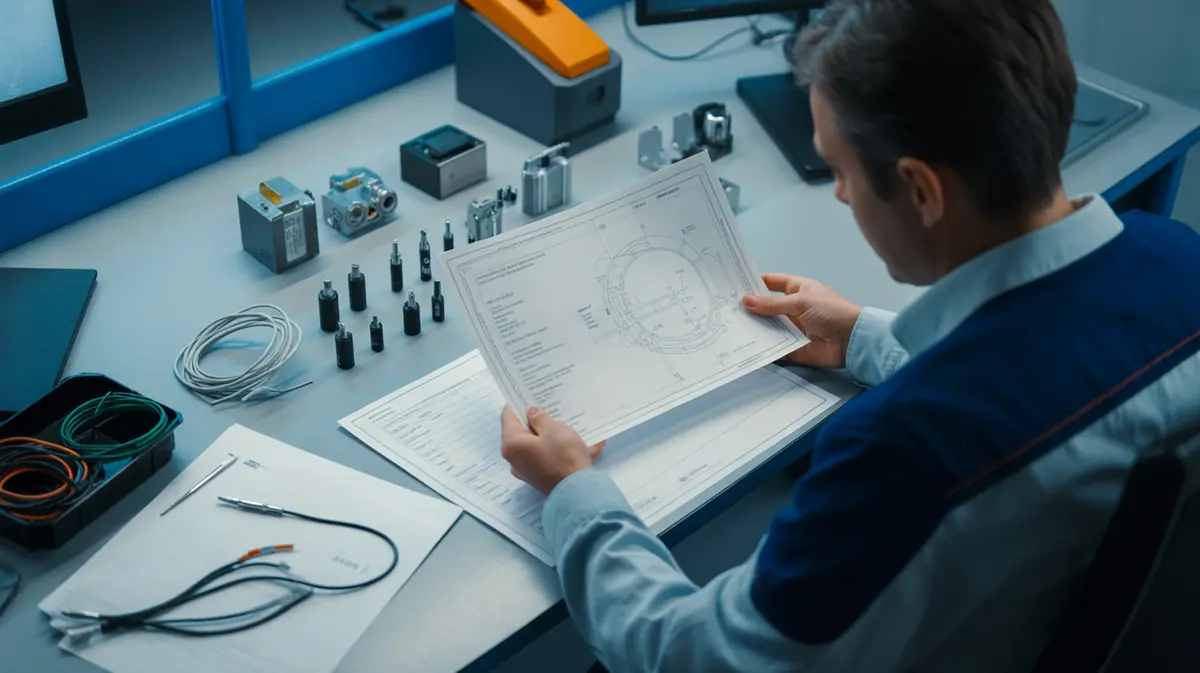
If you only send one document, make it a dimensioned CAD Drawing. A 2D or 3D file that clearly shows routing paths, overall lengths, branching points, and connector positions gives the supplier an immediate understanding of the harness geometry. It answers questions about bend radii, service loops, and clearance zones that no written description can convey. Without it, the manufacturer is effectively quoting a shape they cannot see.
The Bill of Materials is equally essential, but its quality matters more than its presence. A BOM must list every component by manufacturer part number, not by generic descriptions. Writing “Molex connector” in a spreadsheet cell tells the supplier nothing useful. Molex manufactures thousands of connector series with different pitches, terminal sizes, and locking mechanisms. A proper BOM line reads something like “Molex 43025-0600, Micro-Fit 3.0, 6-circuit, receptacle.” That level of specificity lets the supplier verify stock, match the correct crimp tooling, and price the assembly accurately.
Pinout tables or wiring lists form the third pillar of essential documentation. These clarify how each connector cavity maps to specific circuit functions, wire colors, and gauge requirements. A pinout table prevents the nightmare scenario where a harness is built correctly to the BOM but wired to the wrong connector positions, creating a functional failure that only surfaces during integration testing.
How Do Wire and Connector Details Shape the Quote?
Wire Gauge selection is one of the most cost-sensitive decisions in any harness design, yet many RFQs omit it entirely or specify only a single gauge for all circuits. Copper is expensive. Moving from 22 AWG to 18 AWG increases conductor cross-section significantly, driving up material cost, weight, and the force required for crimping. Each circuit should carry its own gauge specification, tied to the current-carrying requirements and allowable voltage drop for that specific conductor run. When buyers fail to specify gauge per circuit, suppliers must either assume the worst case or ask clarifying questions—both of which delay the quote.
UL Wire ratings deserve equal attention. A specification like “UL 1007” versus “UL 1015” communicates insulation material, temperature rating, voltage withstand, and wall thickness. UL 1007 is typically PVC-insulated, rated for 300V and 80°C, while UL 1015 handles 600V and 105°C. These differences affect not only material cost but also regulatory compliance in the target market. If your equipment ships to Europe and must meet CE requirements, the wire must align with the appropriate harmonized standards. Never leave UL wire selection to guesswork.
Connector details are where the most expensive mistakes hide. A supplier receiving an RFQ that simply says “Molex connector” faces a branching tree of possibilities: which series, how many circuits, what pitch, vertical or right-angle, with or without locking latch, tin or gold plating? Each variable changes the part number, the per-unit cost, the mating cycle durability, and the crimp tooling required. Gold-plated terminals cost more than tin but resist fretting corrosion in vibration environments. If the buyer knows the application lives near an engine, that plating choice matters. Provide the complete manufacturer part number, series name, and circuit count. Better yet, include the mating connector part number so the supplier can verify mechanical compatibility. The time spent hunting down these numbers before the RFQ goes out saves weeks of back-and-forth after it arrives.

Volume changes everything. A harness quoted at 100 pieces will carry a vastly different unit cost than the same harness quoted at 10,000 pieces. The difference is not just raw material purchasing power. It is tooling amortization, setup labor, and the simple reality that a production line running 1,000 units per shift operates with different economics than a bench building five units per day. Suppliers need Annual Estimated Usage (AEU) and initial order quantities to optimize their approach. Without this data, they default to prototype pricing assumptions that can inflate unit costs by 40% or more[3].
Consider this real-world comparison of how quantity drives unit pricing for a mid-complexity automotive harness[4]:
- 100 units: High per-unit labor content, manual cutting and stripping, no dedicated tooling fixtures. Unit cost typically $18–$24.
- 1,000 units: Semi-automated wire processing, reusable test fixtures, volume component pricing. Unit cost drops to $11–$15.
- 10,000 units: Full automation on cut-strip-terminate lines, amortized injection molds for connector overmolding, optimized board-level assembly. Unit cost reaches $6–$9.
This is not a theoretical curve. It is what happens when fixed costs spread across larger batches and process engineering shifts from general-purpose to dedicated setups. Buyers who share both their prototype needs and their long-term production forecast enable suppliers to quote both realities transparently.
Lead time and logistics data matter just as much. A required delivery date, the destination warehouse location, and any special packaging instructions directly affect freight mode selection and landed cost. Air freight from a contract manufacturer in Asia to a factory in Mexico costs dramatically more than ocean freight to a distribution center in California. Stating a delivery location up front lets the supplier build accurate logistics into the quote rather than adding an undefined freight allowance.
Do I Really Need to Provide a Sample or Define Testing?
A physical Sample answers dozens of questions that even a perfect drawing cannot capture. How stiff is the bundle at the branch point? What does the connector latch feel like during mating? Are there tight-radius bends near heat sources that require additional sleeving? An old harness pulled from a field return unit, even if damaged, gives the supplier’s engineering team tactile and visual information about form, fit, and material selection that accelerates quoting accuracy. The sample also reveals undocumented details like tape wrapping patterns, adhesive types, or the specific brand of convoluted tubing originally used. These small variables add up in cost when the supplier must reverse-engineer them from photos.
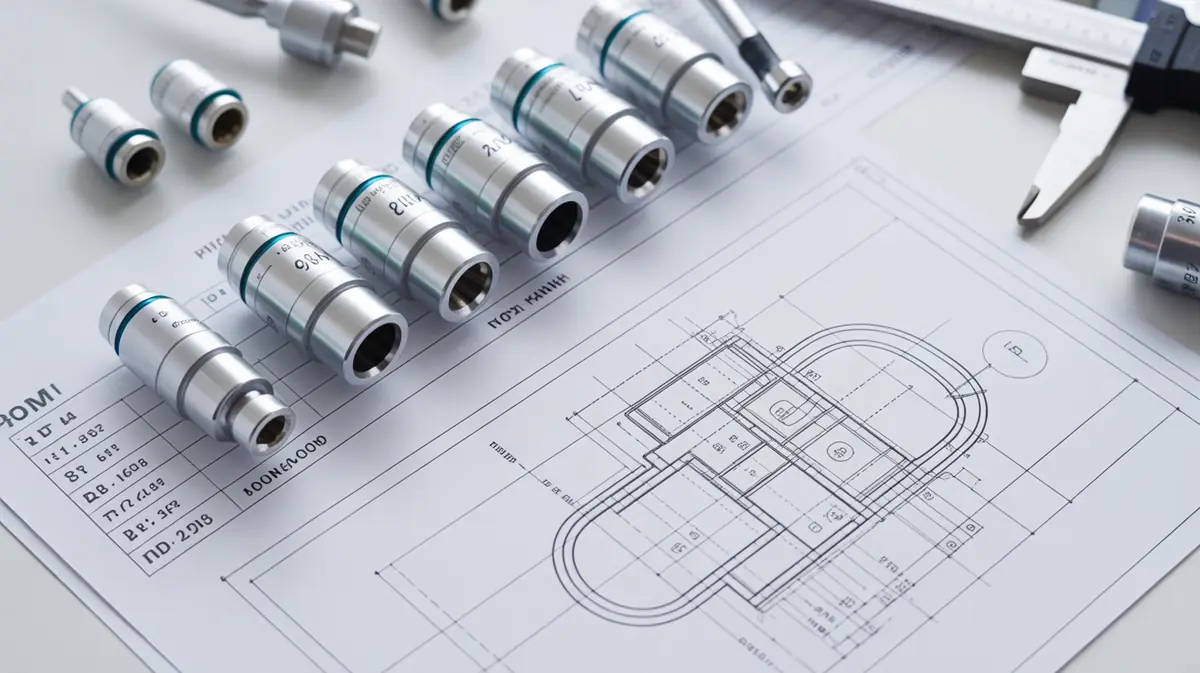
Testing requirements represent another dimension of cost that buyers frequently overlook. A basic continuity test adds modest cost. A full hipot dielectric test requires specific equipment and cycle time. Pull-force testing on crimps, thermal cycling for underhood applications, or salt-spray exposure for marine environments add both direct cost and capital expenditure if the supplier must build new test fixtures. First-article inspection (FAI) requirements and certification packages such as PPAP or IMDS submissions also carry engineering overhead. Stating these requirements in the original RFQ prevents the unpleasant scenario where a supplier quotes assuming a simple continuity check, then discovers after award that the contract demands full PPAP Level 3 documentation. That scope creep poisons relationships and inflates costs retroactively.
How Can I Structure My RFQ to Get a Faster, More Accurate Response?
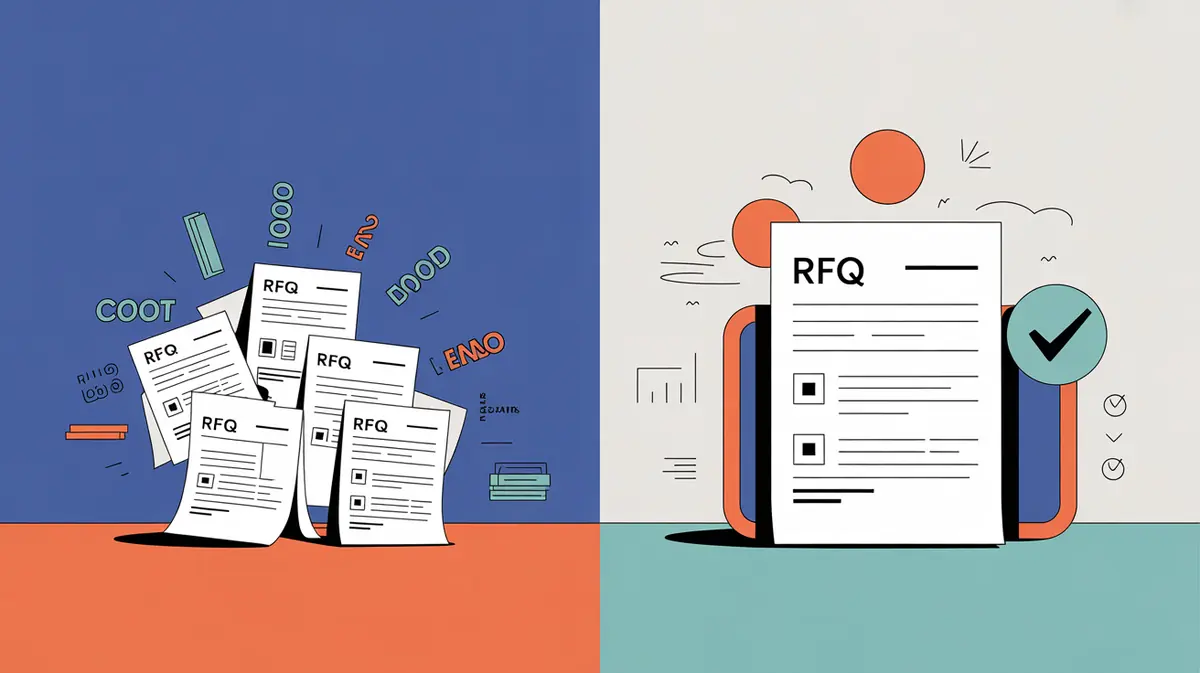
A structured RFQ signals to the supplier that you understand what they need to quote accurately. It also weeds out manufacturers who cannot meet your documentation standard, saving you from wasting time on unqualified responses. Build your RFQ package around a standardized checklist where CAD files, BOM with manufacturer part numbers, pinout tables, testing specifications, and commercial terms are mandatory fields, not optional attachments.
Include a one-page summary document that highlights information not easily gleaned from the engineering data. Note any special routing constraints—for example, “this harness passes through a bulkhead with a 22mm grommet, so no connector can exceed that cross-section.” Mention environmental conditions: continuous exposure to oil spray, UV radiation, or temperatures cycling from -40°C to 125°C. Flag critical connector compatibility notes if the harness mates with an existing device that cannot change. These written insights give context to the CAD drawing and prevent misinterpretation.
When you issue the RFQ, ask each supplier to do three things in their acknowledgment: confirm receipt within 24 hours, list any clarification questions they identify upon first review, and commit to quoting both prototype tooling and production tooling as separate line items. This request accomplishes two goals. It forces the supplier to actually open and review the package quickly, and it exposes any confusion before the quoting clock starts running.
The payoff from a complete RFQ is measurable. Suppliers who receive fully specified packages routinely return quotes within 24 to 48 hours[5]—less than half the industry average turnaround for incomplete requests. More importantly, pricing accuracy tightens to approximately ±5%[6], eliminating the budget shocks that trigger project delays and uncomfortable conversations with management.
What Happens After You Provide All This Information?
When you deliver a complete package—dimensioned CAD Drawing, detailed BOM with manufacturer part numbers, pinout tables, per-circuit Wire Gauge and UL Wire specifications, Connector part numbers, quantity forecasts, delivery requirements, and a Sample or test definition—the supplier’s response transforms. You receive a line-item cost breakdown that separates tooling, raw materials, direct labor, testing, and overhead. You can see exactly where the money goes and evaluate whether a different connector choice or wire type could reduce cost without affecting performance.
Lead times become trustworthy because the production engineering team has already verified connector availability from distribution, checked UL wire stock lead times, and assessed whether existing tooling fixtures can accommodate your specific terminal types. The days of receiving a generic “8 to 10 weeks” estimate that slips immediately after purchase order placement disappear. Instead, you get a committed date backed by actual material availability data.
Most importantly, scope-of-work alignment from the beginning reduces engineering change orders and future price renegotiations. The supplier quotes what you actually need, not what they assumed you needed. The production team builds what the engineering team intended. The test lab validates what the quality team expected. This alignment turns a transactional quoting exercise into the foundation of a long-term supply partnership built on clarity rather than assumptions.
Key Takeaways
- Start with the CAD Drawing and BOM: A dimensioned drawing and a BOM populated with exact manufacturer part numbers eliminate the guesswork that drives inaccurate pricing and extended lead times.
- Specify wire and connector details completely: Per-circuit Wire Gauge, UL Wire ratings, and full Connector part numbers are not optional details—they are cost drivers that determine tooling, material sourcing, and regulatory compliance.
- Define quantities, lead times, and testing upfront: Annual volumes, delivery locations, and test requirements directly shape the supplier’s production approach and pricing strategy. Hiding or omitting them invites change orders later.
- Use a structured RFQ and demand fast feedback: A standardized RFQ package with a summary sheet and explicit acknowledgment requirements cuts quote turnaround by more than half and improves accuracy to within 5%.
- Provide a Sample whenever possible: A physical sample answers undocumented questions about form, fit, and materials that no drawing can fully capture, reducing risk for both buyer and supplier.