Most buyers search for "top wire harness manufacturers in China" expecting a ranked list, but what they really need is a decision framework—because the wrong factory type can turn a simple order into a six-month nightmare of missed deadlines and technical mismatches.
After handling hundreds of inquiries from European and American distributors, I've noticed a pattern: buyers judge factories by size and price, then wonder why their 500-piece custom order gets deprioritized by a high-volume manufacturer or why their "competitive quote" came from a factory that can't meet UL standards.
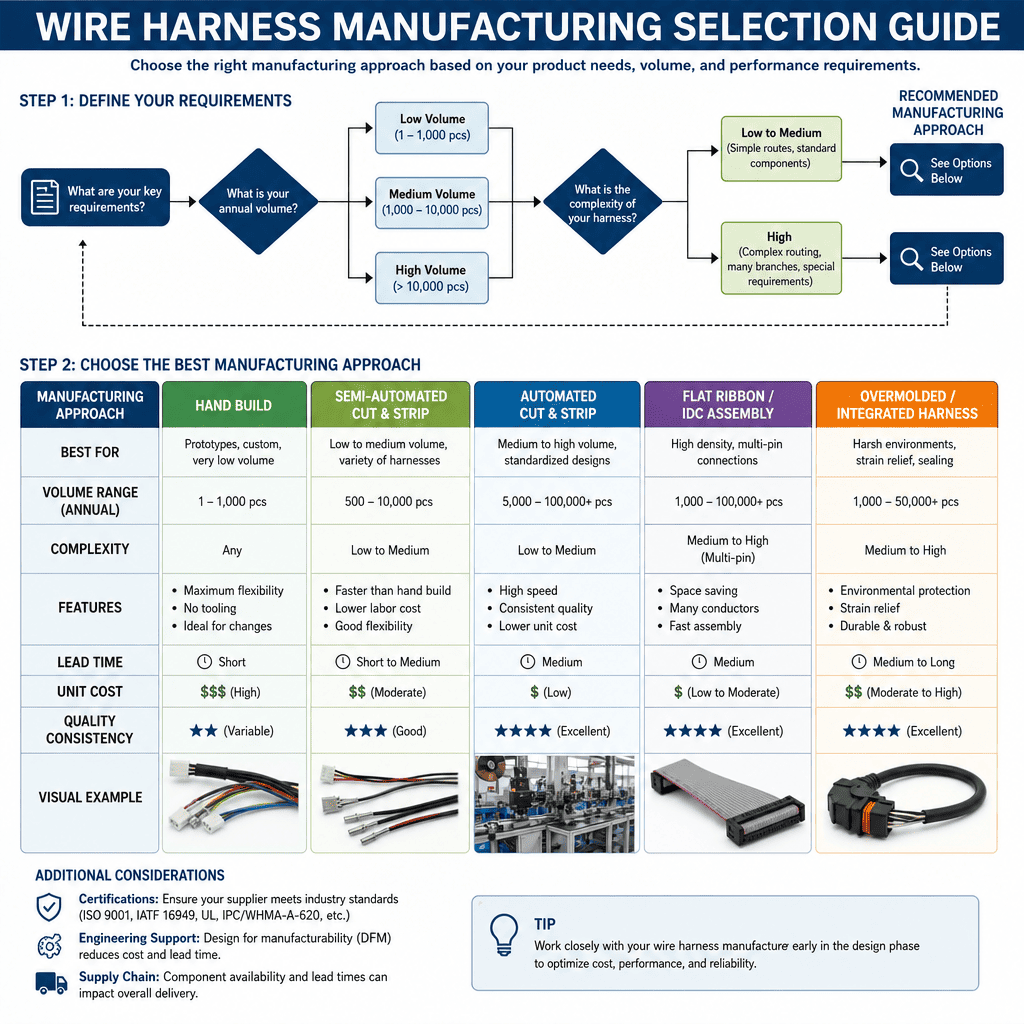
This article explains how to match your order requirements to factory capabilities—not through marketing claims, but through the questions buyers should ask before sending that first RFQ.
What Makes a "Top" Manufacturer Wrong for Your Specific Order?
Buyers assume bigger factories mean safer choices, but I've seen mid-sized custom orders fail at large-scale manufacturers because the factory optimizes for volume, not flexibility.
The factory's strength must align with your order profile: high-volume factories excel at repeatable orders with locked specifications, while mid-sized specialists handle complex customization and faster iterations1—choosing the wrong type creates friction regardless of the factory's technical capability.
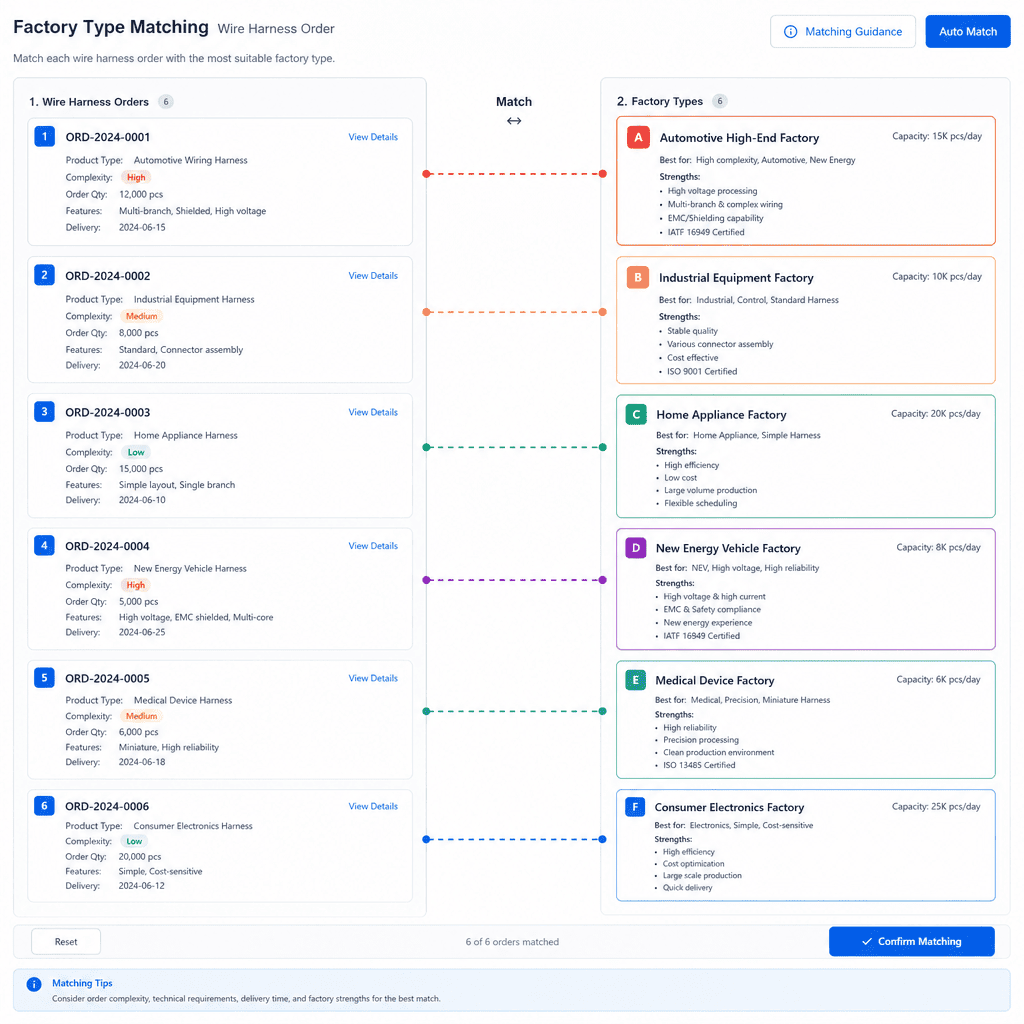
A distributor once contacted us after a frustrating experience with a large manufacturer. Their order was 1,000 pieces of a custom automotive wire harness with specific connector requirements. The factory accepted the order but repeatedly delayed sample approval because their production system prioritized 50,000-piece runs. The buyer didn't ask about minimum prioritization thresholds during supplier selection.
Here's how order profiles map to factory types:
| Order Profile | Factory Type | Why It Matters |
|---|---|---|
| High volume (10,000+ pieces), stable specs | Large-scale manufacturer | Automated lines reduce cost, but change orders disrupt scheduling2 |
| Custom/prototype (100-2,000 pieces) | Mid-sized specialist | Manual assembly allows flexibility, but unit cost is higher |
| Mixed orders (standard + custom) | Hybrid manufacturer | Can handle both, but verify they don't deprioritize smaller runs |
| Ultra-low volume R&D samples | Prototype shop | Fast turnaround, but may lack certifications for production |
The mistake isn't choosing a "bad" factory—it's choosing a factory whose operational model conflicts with your order structure. A 100-piece order at a factory optimized for 100,000-piece runs will always be low priority, no matter what the salesperson promises.
Before requesting quotes, define your order volume range, customization frequency, and expected lead times. Then ask the factory: "What percentage of your orders fall into this category?" If the answer is vague or contradicts their stated capabilities, you're looking at a mismatch.
How Do You Verify Technical Capability When Every Factory Claims ISO Certification?
Most buyer RFQs ask for certifications, but few know which certifications matter for their application or how to verify authenticity—this creates a false sense of security.
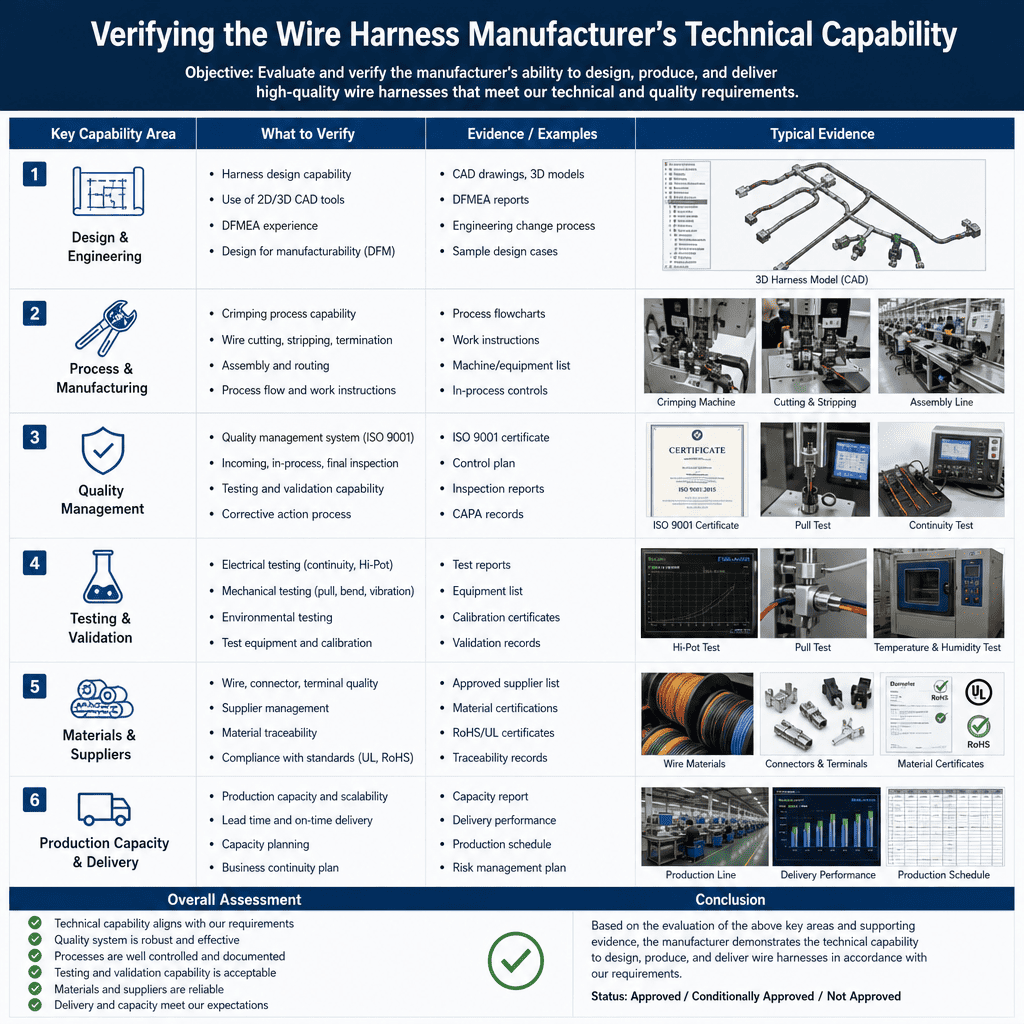
Real technical capability shows up in process documentation, application-specific case studies, and verifiable third-party certifications—not in website badges or generic claims of "20 years experience."
A buyer once sent us an inquiry after discovering their previous supplier's UL certification3 was for a different product category. They'd assumed "UL certified" meant all products were covered, but the factory had listed a single approved component to appear qualified. The buyer only caught this during a pre-shipment inspection.
Here's what to verify beyond surface claims:
Certification Verification
Ask for the full certification number and verify it directly with the issuing body (UL, TÜV, CSA). Don't accept scanned certificates without independent verification—fake or expired documents are common4. Also confirm the certification scope: does it cover your specific application (industrial, automotive, medical), or just general wire harness assembly?
Production Process Documentation
Request a process flow diagram showing incoming inspection, assembly steps, and quality checkpoints. A manufacturer with mature processes can provide this within hours. If they can't, their "quality control" is likely reactive, not systematic. Ask how they handle non-conforming materials and whether they use first article inspection5 for custom orders.
Application-Specific Case Studies
Generic claims like "we serve the automotive industry" mean nothing without verifiable examples. Ask for case studies in your specific application (EV charging, industrial robotics, medical devices) and request contact information for similar clients if possible. A factory that's actually experienced in your field will have detailed technical discussions, not vague reassurances.
| What to Ask | Why It Reveals Capability | Red Flag Response |
|---|---|---|
| "Can I see your UL file number?" | Real certification vs. generic claim | "We're in the process of getting it" for a factory claiming years of export experience |
| "Show me your incoming material inspection process" | Whether quality starts at component level | "We trust our suppliers" or no documented procedure |
| "What's your typical first-article approval timeline?" | Whether they understand iterative development | No defined process or "we get it right the first time" |
Technical capability isn't about perfect English or fancy showrooms—it's about documented, repeatable processes that produce consistent results. Ask for evidence, not assurances.
Why Does Communication Failure Cause More Order Problems Than Quality Issues?
Buyers focus on technical specs and pricing during supplier selection, then discover post-contract that the factory's response time and language capability don't match project needs.
Communication infrastructure (English-speaking project managers, response time agreements, file sharing systems) determines whether a good factory becomes a reliable partner or a source of constant frustration.
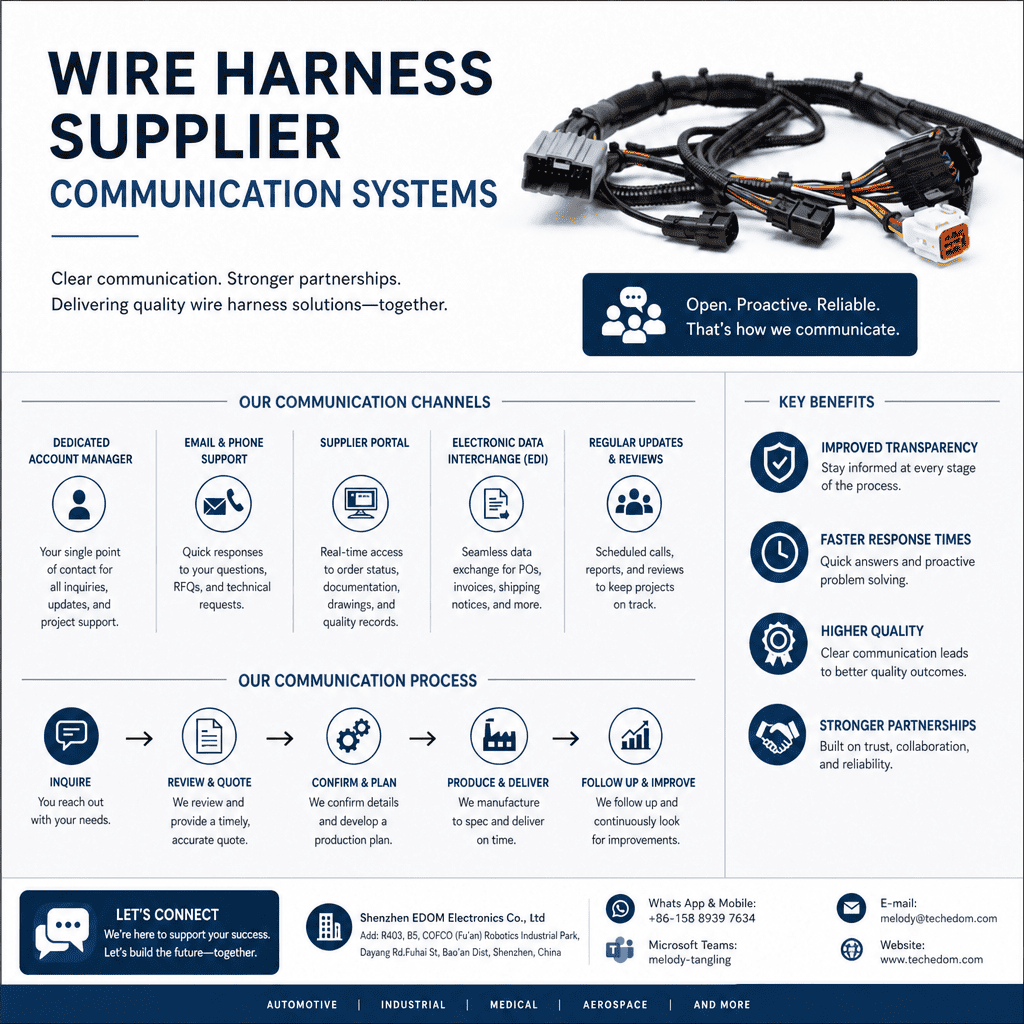
I've watched technically capable factories lose long-term clients because they didn't assign dedicated project managers or failed to respond within the buyer's expected timeframe. The factory delivered good products, but the buyer couldn't tolerate three-day response delays during critical phases6.
Response Time and Availability
Ask explicitly: "What's your typical response time for technical questions during our business hours?" A factory selling to European and American markets should have systems in place for time zone overlap7. If they only respond during China business hours (8 AM - 5 PM Beijing time), you'll face 12+ hour delays on urgent issues. Some mid-sized manufacturers use shift systems or dedicated export teams to cover Western business hours.
Project Manager Assignment
Confirm whether you'll have a dedicated English-speaking project manager or whether your inquiries go through a general sales pool. Dedicated managers understand your project history and can make faster decisions. Shared resources mean you're re-explaining context with every interaction. Ask: "Who will be my main point of contact, and what's their technical background?"
Documentation and File Sharing
Verify the factory uses modern collaboration tools (email with large file support, cloud file sharing, or project management platforms). I've seen orders delayed because factories relied on WeChat file transfers that Western buyers couldn't access efficiently. Ask for a sample project timeline with communication checkpoints documented.
A buyer once told me their previous supplier was technically excellent but impossible to work with because every design change required a phone call, and email responses took 48 hours. They switched to a slightly more expensive factory with real-time project management access and cut their development cycle by 40%8.
Communication isn't a "soft skill"—it's infrastructure that determines whether your project stays on schedule or turns into a crisis management exercise.
How Do You Compare Quotes When Factories Price Different Specifications?
Buyers send the same RFQ to multiple factories and receive wildly different quotes, then make decisions without realizing they're comparing different product specifications.
Price comparison only works when you verify that all quotes meet the same technical requirements—many low quotes come from factories substituting components, reducing testing, or misunderstanding specifications.
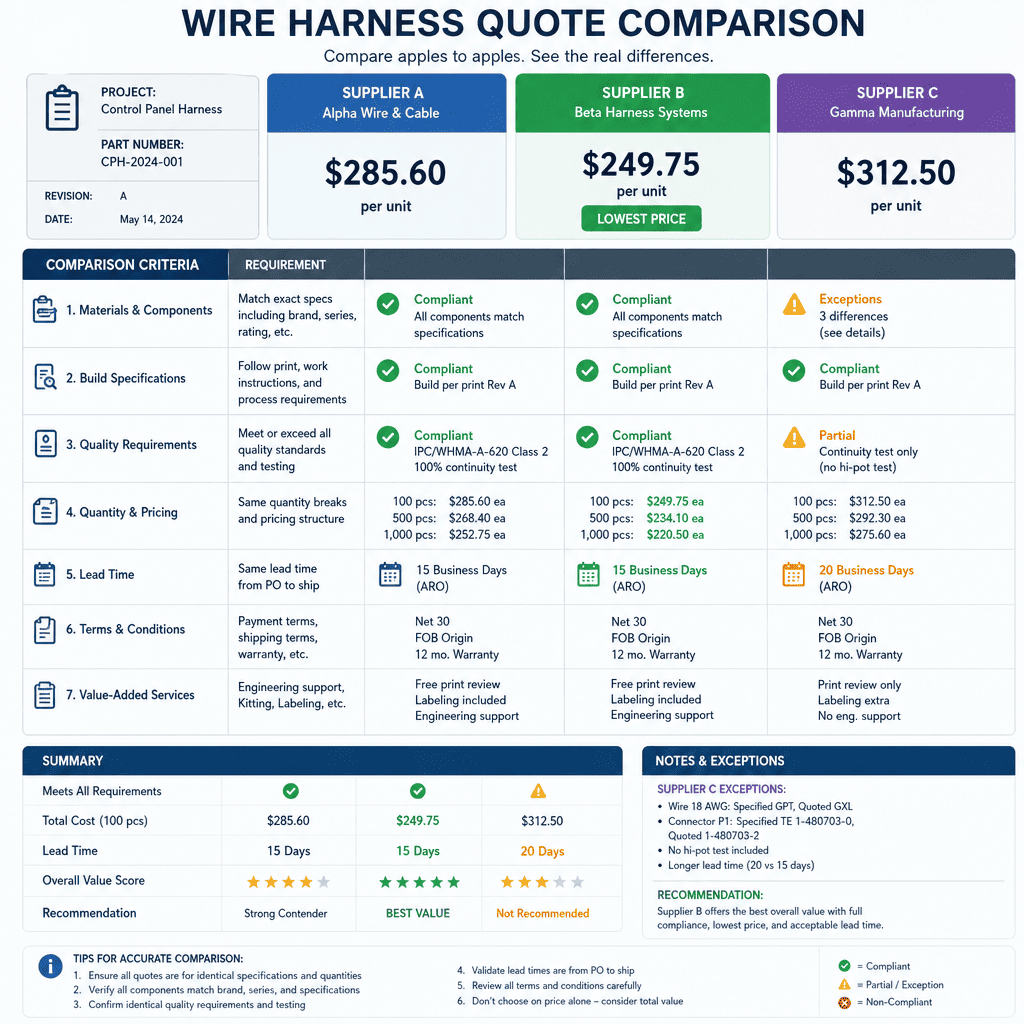
A distributor once accepted a quote 30% lower than ours for an industrial control harness, only to discover during production that the factory had substituted a lower temperature-rated wire9 because the buyer hadn't explicitly specified operating environment. The resulting rework and delay cost more than the initial savings.
What to Verify Before Accepting a Quote
First, confirm all material specifications match your requirements: wire gauge, insulation rating, connector brand, and terminal type. Ask for a bill of materials (BOM) with manufacturer part numbers, not generic descriptions. If a factory quotes significantly lower, ask specifically what components they're using.
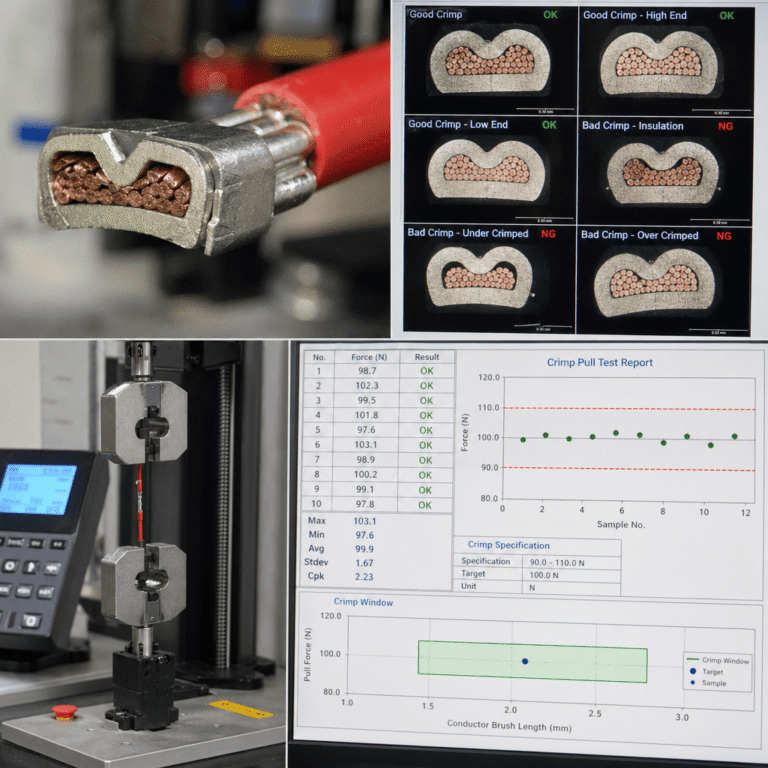
Second, clarify what testing is included. Does the quote include continuity testing, hi-pot testing, or pull force testing10? Some factories quote bare assembly without any validation, forcing you to add inspection later.
Third, verify lead time and payment terms. A low price with 90-day lead time and 100% prepayment carries different risk than a slightly higher price with 45-day delivery and standard terms.
| Quote Element | What to Compare | Why It Matters |
|---|---|---|
| Material specifications | Wire brand, insulation rating, connector manufacturer | Substituting cheaper components compromises reliability |
| Testing inclusion | Continuity, hi-pot, pull force | Testing adds cost but prevents field failures |
| Lead time realism | Can they actually deliver in stated timeframe? | Unrealistic lead times cause cascading delays |
| Payment terms | Prepayment risk vs. standard terms | Full prepayment with unknown suppliers is high risk |
Ask each factory to itemize their quote so you're comparing equivalent offerings. A $5.00 quote with no testing is more expensive than a $5.50 quote with full validation if you have to add third-party inspection later.
Price should be the last decision variable, not the first. Define your technical requirements completely, verify each quote meets them identically, then compare cost.
What Does a Real Factory Partnership Look Like Beyond the Initial Order?
Most buyers treat supplier selection as a one-time decision, but long-term success depends on whether the factory supports design changes, capacity scaling, and continuous improvement.
The best factory match isn't the one that wins the first order—it's the one that adapts as your requirements evolve, handles urgent changes professionally, and contributes to product improvement.
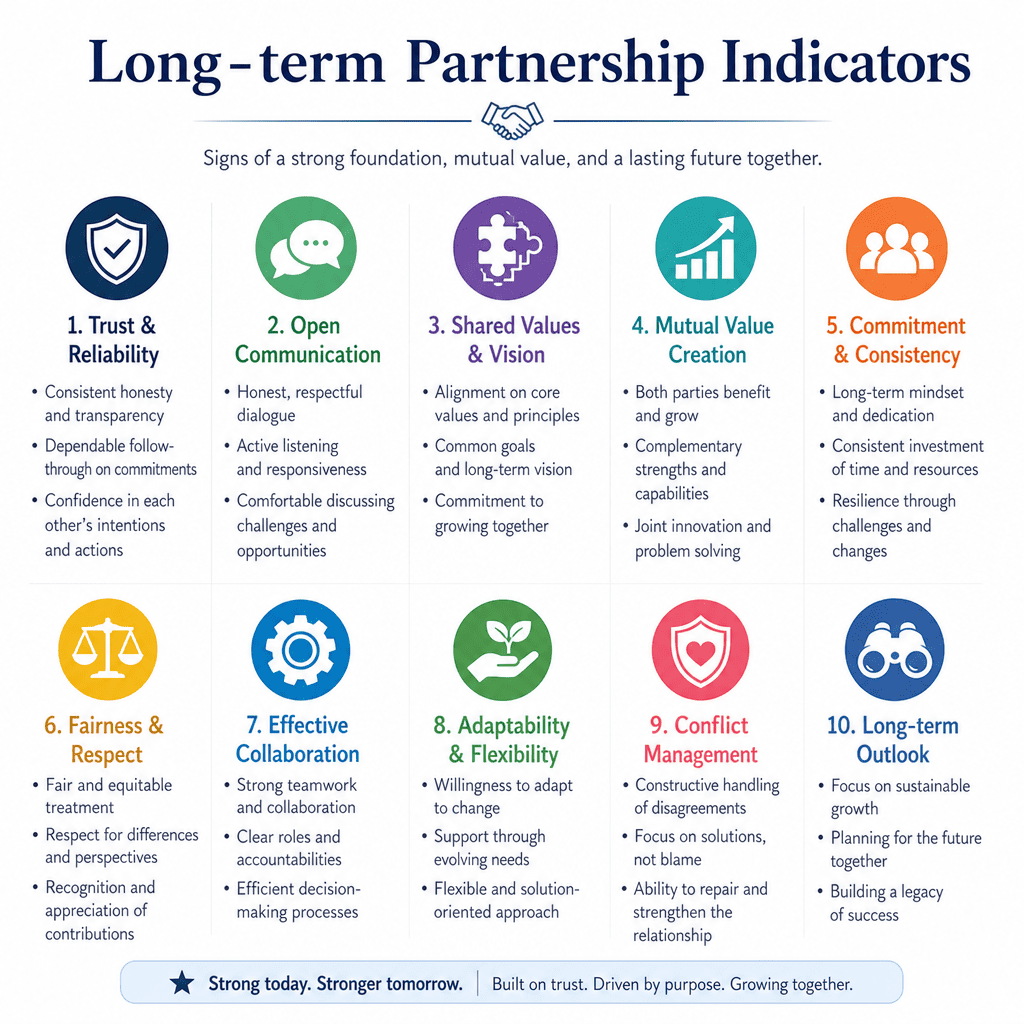
We've worked with clients for years because we treat each order as part of an ongoing relationship, not a transaction. When a medical device client needed to add a safety feature mid-production due to regulatory feedback, we adjusted the design within 48 hours and absorbed the engineering cost because we valued the long-term partnership.
Design Iteration Support
Ask how the factory handles engineering change orders (ECOs)11. Can they implement minor changes without restarting the entire quotation process? What's their timeline for design revisions during the sample phase? Factories optimized for locked specifications struggle with iterative development, while flexible manufacturers build ECO processes into their workflow.
Capacity Scaling
Confirm their capacity range. If your initial order is 500 pieces but you anticipate growing to 5,000 pieces within a year, can the factory scale production without compromising quality or lead time? Ask for examples of clients they've grown with, and verify they have equipment and labor capacity for your projected volumes.
Continuous Improvement
The best suppliers suggest improvements based on their manufacturing experience. If you're new to wire harness specification, a good factory will identify potential issues—like a connector that's difficult to assemble reliably or a wire routing that creates stress points12—before production starts. Ask: "What would you change about this design to improve manufacturability or reliability?"
For buyers prioritizing custom solutions, responsive communication, and long-term partnership over pure volume pricing, our factory (Techedom, https://techedom.com/) focuses on mid-sized custom orders with full English project management and transparent process documentation. We're not the cheapest option, but clients choose us when they need technical collaboration and reliable delivery for specialized applications.
Conclusion
The right wire harness manufacturer isn't the biggest or cheapest—it's the one whose order profile, communication infrastructure, and partnership approach match your specific requirements, verified through evidence rather than marketing claims.
"An Empirical Study of Flexibility in Manufacturing", https://sloanreview.mit.edu/article/an-empirical-study-of-flexibility-in-manufacturing/. Operations management research demonstrates that high-volume manufacturing systems optimize for process standardization and economies of scale, while smaller-batch production systems maintain flexibility through manual processes and shorter changeover times, creating inherent trade-offs between unit cost and customization capability. Evidence role: mechanism; source type: research. Supports: the trade-off between production volume efficiency and manufacturing flexibility. Scope note: This describes general manufacturing principles rather than wire harness industry-specific data ↩
"An Empirical Study of Flexibility in Manufacturing", https://sloanreview.mit.edu/article/an-empirical-study-of-flexibility-in-manufacturing/. Manufacturing systems research indicates that automated production lines achieve lower unit costs through reduced labor and increased throughput, but require longer changeover times and higher setup costs when specifications change, creating tension between efficiency and adaptability. Evidence role: mechanism; source type: research. Supports: the inverse relationship between automation level and production flexibility. ↩
"UL (safety organization) - Wikipedia", https://en.wikipedia.org/wiki/UL_(safety_organization). UL (Underwriters Laboratories) is a global safety certification organization that tests and certifies electrical products, including wire harnesses and cable assemblies, against safety standards for fire, electrical shock, and mechanical hazards in various applications. Evidence role: definition; source type: institution. Supports: the nature and purpose of UL certification. ↩
"A Supply Chain Management Perspective on Mitigating the Risks of ...", https://a-capp.msu.edu/article/a-supply-chain-management-perspective-on-mitigating-the-risks-of-product-counterfeiting/. Trade compliance and supply chain security organizations have documented cases of suppliers presenting fraudulent, expired, or misrepresented certification documents, particularly in international sourcing contexts where buyers have limited ability to verify credentials directly with issuing bodies. Evidence role: general_support; source type: institution. Supports: the existence of certification fraud in international manufacturing supply chains. Scope note: This confirms the problem exists but does not establish specific prevalence rates ↩
"First article inspection - Wikipedia", https://en.wikipedia.org/wiki/First_article_inspection. First article inspection (FAI) is a quality control process used in manufacturing to verify that a production process can produce parts meeting all design specifications before full-scale production begins, typically involving detailed measurement and documentation of initial production samples. Evidence role: definition; source type: encyclopedia. Supports: the definition and purpose of first article inspection. ↩
"8 Most Common Causes of Project Delays & How to Manage Them", https://activecollab.com/blog/project-management/project-delays. Project management research identifies communication responsiveness as a critical factor in project success, with delays in information exchange during critical phases contributing to schedule overruns, increased costs, and quality issues, particularly in geographically distributed collaborations. Evidence role: general_support; source type: research. Supports: the negative impact of communication delays on project outcomes. Scope note: This addresses general project management rather than manufacturing-specific contexts ↩
"[PDF] The Effects of Temporal Distance on Intra-Firm Communication", https://www.hbs.edu/ris/Publication%20Files/21-052_2fb83673-3601-42f4-a82a-17eba6dcdbc6.pdf. International business research demonstrates that temporal distance (time zone differences) reduces synchronous communication opportunities, increases response latency, and can impede coordination in global business relationships, with effects mitigated by overlapping work hours or asynchronous communication systems. Evidence role: mechanism; source type: research. Supports: how time zone differences affect business communication efficiency. ↩
"Technological level and product development cycle time", https://www.sciencedirect.com/science/article/abs/pii/S0737678298000666. Product development research indicates that effective communication infrastructure and collaborative tools can substantially reduce development cycle times by minimizing information delays, reducing rework from miscommunication, and enabling faster iteration, though specific improvements vary by project complexity and organizational context. Evidence role: general_support; source type: research. Supports: that improved communication systems can significantly reduce development cycle times. Scope note: This confirms the directional relationship but does not validate the specific 40% figure, which appears to be a case-specific example ↩
"Wire Insulation Selection Guidelines - NASA NEPP", https://nepp.nasa.gov/npsl/wire/insulation_guide.htm. Electrical wire and cable products are classified by temperature ratings that indicate the maximum operating temperature the insulation material can withstand, with different applications requiring specific ratings (e.g., 60°C, 90°C, 105°C) based on environmental conditions and safety standards. Evidence role: definition; source type: other. Supports: the existence and significance of wire temperature ratings. ↩
"1926.963 - Testing and test facilities. | Occupational Safety ... - OSHA", http://www.osha.gov/laws-regs/regulations/standardnumber/1926/1926.963. Wire harness quality testing typically includes continuity testing (verifying complete electrical paths), hi-pot (high-potential) testing (checking insulation integrity under high voltage), and pull force testing (measuring mechanical connection strength), each addressing different failure modes in electrical assemblies. Evidence role: definition; source type: other. Supports: the purpose of these three testing methods. ↩
"[PDF] Accelerating the Process of Engineering Change Orders - INSEAD", https://sites.insead.edu/facultyresearch/research/doc.cfm?did=46443. An engineering change order (ECO) is a formal document used in manufacturing and product development to propose, review, approve, and implement modifications to product designs, specifications, or processes after initial release, providing traceability and control over design evolution. Evidence role: definition; source type: encyclopedia. Supports: the definition and purpose of engineering change orders. ↩
"Design for Manufacturing, Assembly, and Reliability: An Integrated ...", https://www.mdpi.com/2411-9660/6/5/88. Design for Manufacturing (DFM) principles demonstrate that product design choices directly impact assembly difficulty, process reliability, and defect rates, with factors such as component accessibility, assembly sequence, and mechanical stress distribution affecting both manufacturing efficiency and product quality. Evidence role: mechanism; source type: research. Supports: how design decisions affect manufacturing outcomes. ↩