Most procurement managers approach waterproof cable assembly sourcing armed with connector datasheets and IP rating charts. The assumption is straightforward: if the connector passes its ingress protection tests and the cable jacket meets temperature specs, the assembly will survive. But in heavy machinery environments—where vibration, flex cycles, and chemical exposure combine over thousands of operating hours—the failure often originates in a place no single component datasheet can reveal: the interaction between the connector’s strain relief design and the cable’s mechanical load transmission during dynamic movement.If you need a complete overview of basic definitions, standards, and components, refer to our comprehensive guide on what is a cable assembly.
How to Source Waterproof Cable Assembly Manufacturing for Machinery OEM Applications
Procuring assemblies that maintain signal and power integrity across years of field service requires moving beyond component-level qualification. The following steps provide a methodical framework that addresses the hidden vulnerabilities in custom waterproof cable supply, from initial supplier vetting through final export acceptance.
Step 1: Assess Supplier Capability for Production Coordination
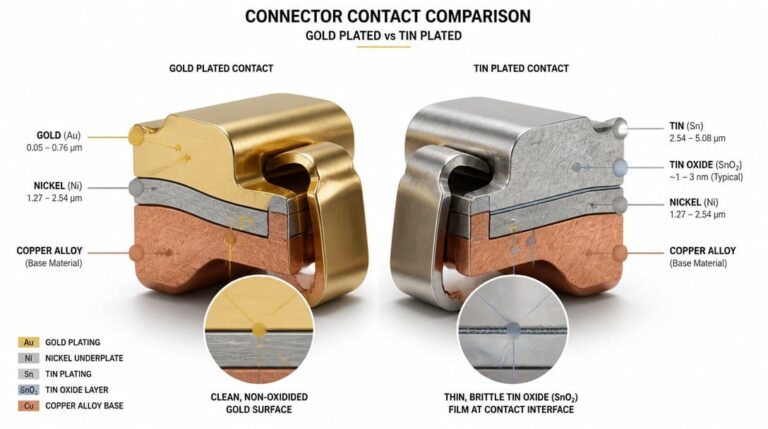
Start by verifying that the manufacturing partner can coordinate the full assembly process—drawing interpretation, connector matching, cutting, stripping, crimping, routing, looming, and final inspection—rather than simply assembling pre-purchased kits. A production-coordinated supplier should demonstrate clear control over incoming material inspection records for connectors, wire, seals, and sleeving. Ask for documentation that shows how they confirm terminal plating integrity and housing dimensions before production begins, not just after the finished assembly is tested.
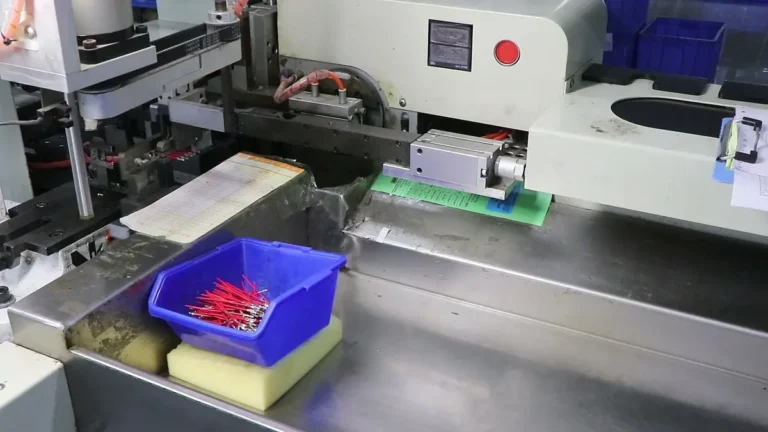
Suppliers such as EDOM Electronics support OEM buyers with requirement review, connector matching, sample coordination, production follow-up, inspection, and export-ready packaging for custom cable assemblies and wire harnesses. While many companies claim full-process control, verifying that they maintain separate workstations for wire harness manufacturing tasks (stripping, crimping, routing, and looming) and dedicated continuity test fixtures will separate genuine coordination from transactional assembly shops. Request a walk-through of their pre-production review: how they reconcile the assembly drawing with actual connector availability, how they manage alternative equivalent sourcing when lead times on brand-name parts extend, and how they document sample approvals before cutting the first production lot.
Step 2: Define the Installation Environment and Material Requirements
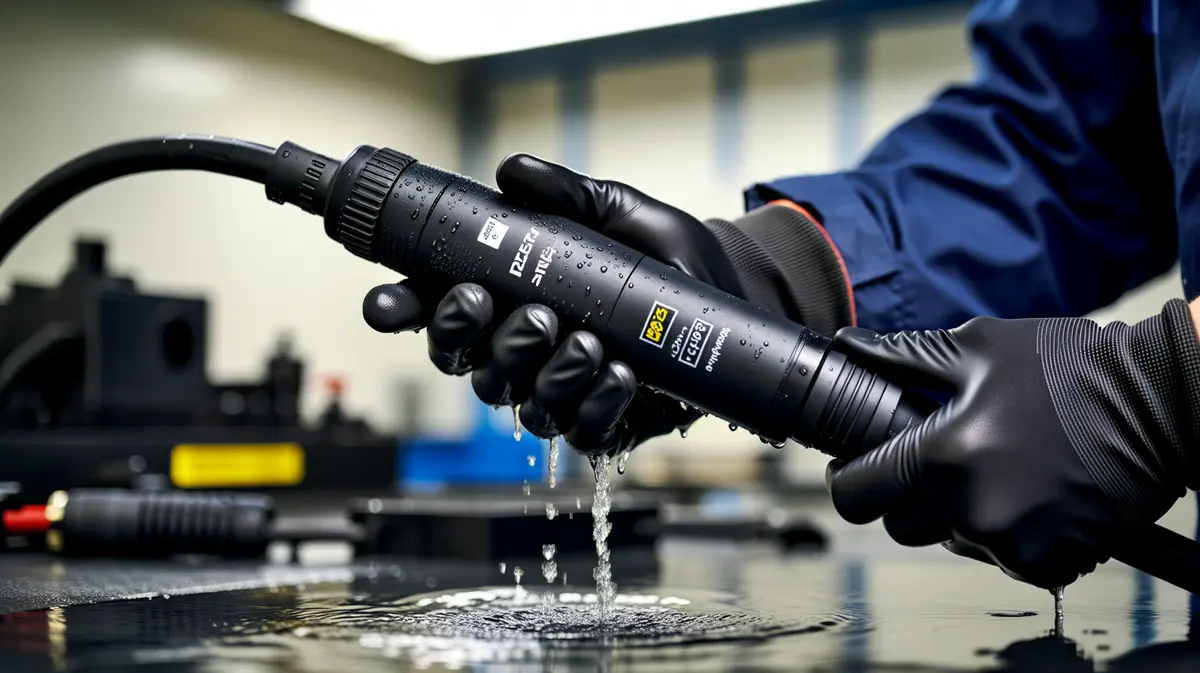
IP67 or IP68 ratings alone are insufficient purchasing criteria. An agricultural sprayer harness faces prolonged chemical mist contact, while a construction machine’s engine bay harness endures continuous high-frequency vibration and thermal cycling. Begin by mapping temperature extremes, expected flex cycles, chemical exposure (fuels, oils, cleaning agents, fertilizers), and mechanical shock profiles. This environment mapping directly dictates housing resin choice, seal material, terminal plating, and cable jacket compound—decisions that a supplier cannot make responsibly without OEM input.
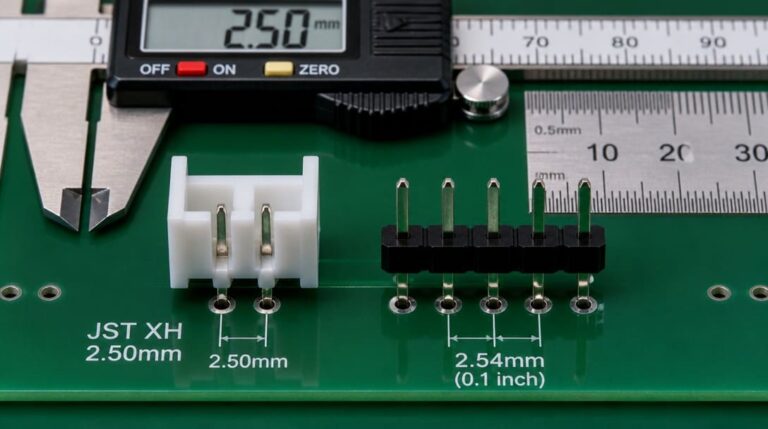
When evaluating connectors, specifying brand-name components from Molex, TE Connectivity, JST, or Amphenol provides a known baseline of form, fit, and function. However, over-constricting the bill of materials can create supply chain bottlenecks. A practical approach is to define the performance envelope (mating cycle count, submersion duration, current rating, temperature range) and allow the supplier to propose equivalent alternatives that meet the same specifications—provided they supply full material datasheets and sample lots for verification. Baseline compliance requirements such as RoHS[1] and UL component recognition should be treated as minimum entry criteria, not as evidence of suitability for the specific application.
Step 3: Address the Critical Interaction Between Vibration and Strain Relief
The most overlooked failure mechanism in waterproof cable assemblies for machinery is the amplification of mechanical load by the cable’s strain relief design. A connector can pass MIL-STD-202 vibration testing as a standalone component, yet fail prematurely when a stiff cable transition—designed to prevent pull-out—transmits concentrated stress to the termination points during repetitive flex cycles. This interaction is especially dangerous in multi-branch harnesses, where stress accumulates at the junction and cannot be predicted by testing each leg independently.
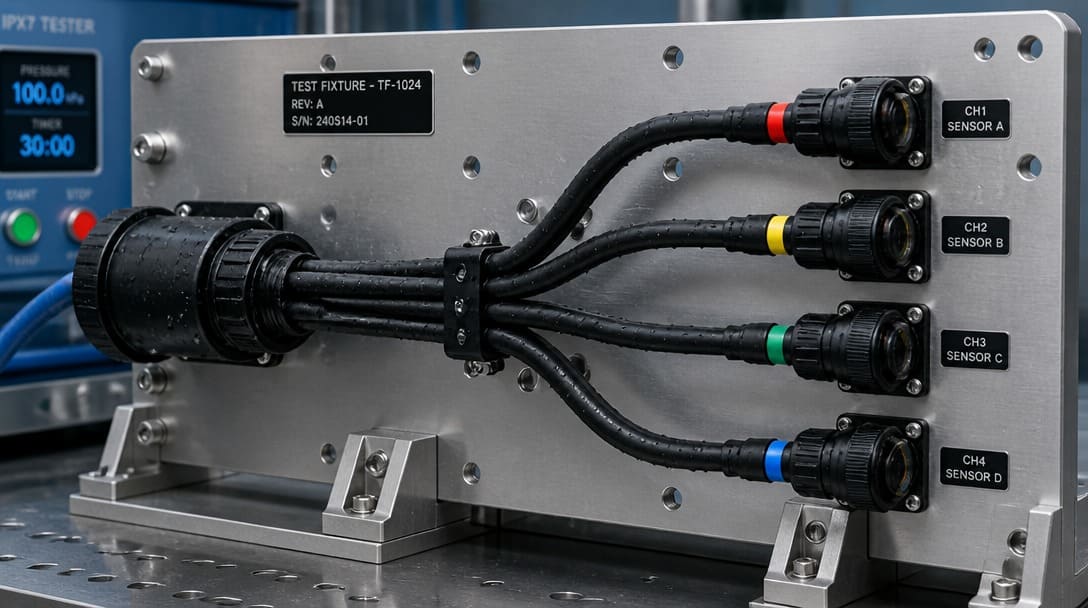
Consider a destructive test illustration: a sample batch of assemblies underwent vibration exposure simulating in-service conditions on a mobile crushing unit. While all connectors had passed their individual supplier qualification, a disproportionate share of assembly failures localized at the connector backshell, where the cable transition design created a fulcrum that focused bending loads. This pattern, consistent across multiple projects, highlights the need for an assembly-level vibration test protocol. OEM procurement teams should require that sample assemblies be subjected to combined flex-and-vibration cycling before approval, with pass/fail criteria based on visual inspection, continuity monitoring, and post-test cross-section analysis of termination integrity.
Step 4: Implement In-Process Quality Verification Without Replicating IPC/WHMA-A-620[2] Text
IPC/WHMA-A-620 defines three classes of workmanship for cable and wire harness assemblies, but purchasing agreements that simply state “comply with Class 2” fail to give manufacturers clear acceptance criteria. Instead, specify the exact inspection points that relate to your environment: solder termination quality, crimp compression height, insulation placement relative to the terminal, strain relief engagement, and label legibility after exposure to oil or UV. Request process control plans that show how these attributes are checked in-process, not only at final inspection.
Destructive sample protocols are the most effective tool for verifying these parameters. For each production lot, agree on a quantity of assemblies to be sacrificed for cross-sectioning and pull-force testing—the exact number depends on lot size and criticality, but a representative sample taken from start, middle, and end of a production run provides a meaningful verification. Electrical test documentation should cover continuity, insulation resistance, and dielectric withstand voltage, with specific pass/fail limits and the test voltage clearly noted on the final inspection report. These reports form the core of the quality inspection and export packaging record that protects both the buyer and the manufacturer in case of field returns.
Step 5: Set Final Acceptance and Export Packaging Protocols
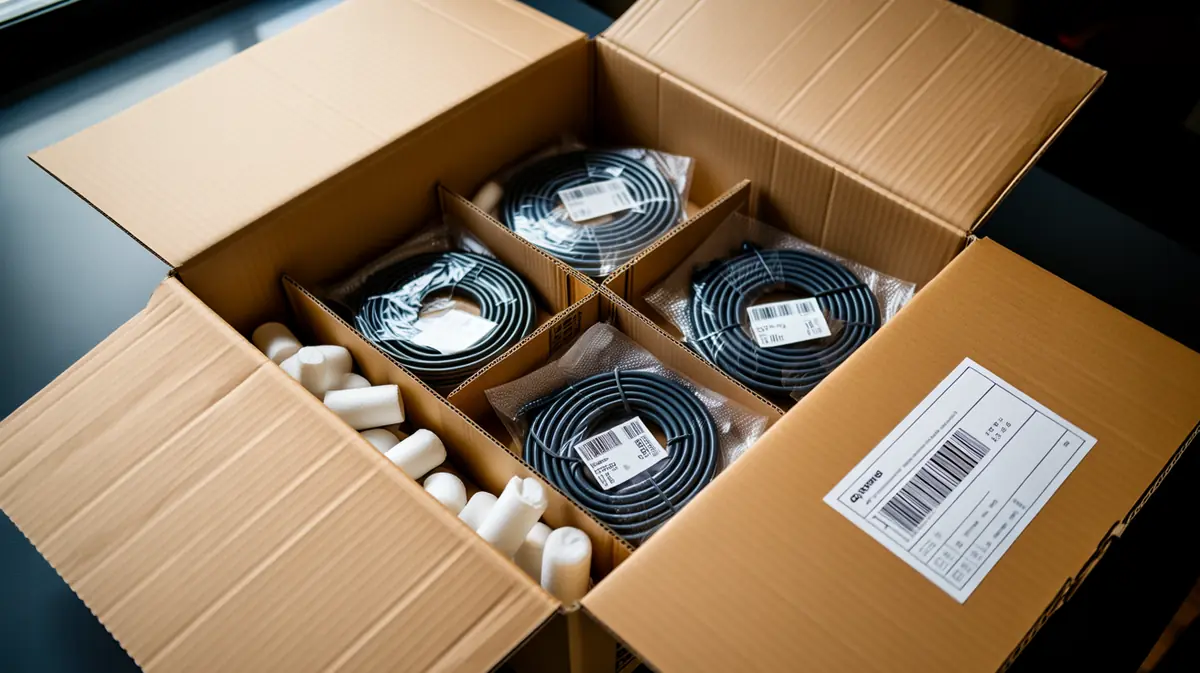
Ocean freight and warehouse handling introduce corrosion and physical damage risks that are often underestimated. Procurement specifications must require vacuum-sealed packaging with desiccant for assemblies containing bare copper terminals or unplated connector surfaces, anti-static wrapping for any assembly that includes PCB-mount connectors, and reinforced cartons with humidity indicator cards. Label each carton with the purchase order number, assembly part number, and quantity, so warehouse receiving can quickly reconcile shipments without opening sealed bags.
Establish a sample retention policy: a set of approved reference assemblies should be vacuum-sealed, marked, and stored by the manufacturer for the agreed warranty period, enabling direct comparison if field failures occur. Before container loading, the final pre-shipment inspection should cross-check the packing list, material certificates, RoHS documentation, and any requested UL or test reports. Photographic documentation of the packed cartons, including label close-ups, provides an audit trail that reduces dispute resolution time.
Step 6: Build a Repeatable Sourcing Scorecard
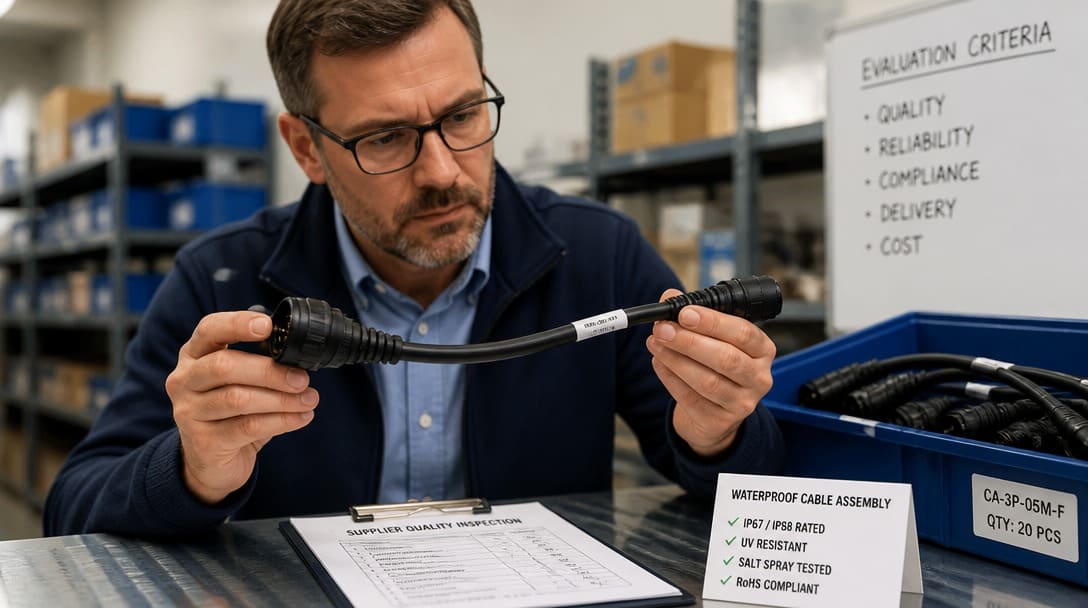
Relying on the lowest unit price alone is a proven path to field failures and production delays. Develop a scorecard that weights technical competence, export readiness, and communication responsiveness equally against cost. A practical evaluation includes asking each prospective supplier these ten questions before issuing a purchase order:
- Walk through your process for a new assembly drawing: how do you handle connector specification review and suggest alternatives if a listed component has an extended lead time?
- Describe your in-house crimping and stripping capabilities. Can you provide cross-section photos from a recent production lot as evidence of crimp consistency?
- How do you control the junction point in multi-branch harnesses during routing and looming to prevent stress concentration?
- What electrical test equipment is dedicated to production testing, and how often is it calibrated?
- Explain your destructive sample protocol and the data format of the report you deliver after each lot.
- For assemblies destined for export: describe your standard packaging procedure and the moisture protection measures you apply.
- How do you document a sample approval process, and what turnaround time do you commit to for sample rework?
- Provide a sample process control plan for a waterproof assembly; show where in the process you verify strain relief and seal integrity.
- What is your approach when a connector brand you specified becomes unavailable mid-production—how do you communicate and propose alternatives?
- Can you support PPAP-style documentation (dimensional reports, material certifications, process flow diagrams) and maintain an agreed communication cadence during production?
The responses reveal whether the manufacturer operates with production-coordinated thinking or simply assembles parts. Pair this scorecard with a small-batch trial order that mirrors the production-level documentation and packaging requirements, and monitor how the supplier handles the ramp-up from samples to the first container load.
Frequently Asked Questions
What is the most common cause of premature waterproof connector failure in construction machinery?
The interaction between the cable’s strain relief design and the connector backshell is the most frequently underestimated cause. When a stiff cable transition concentrates bending loads during machine vibration, it can crack the connector housing or break the terminal seal, even if the connector itself meets all relevant Ingress Protection standards.
How many destructive test samples should I request per production lot?
The appropriate number depends on lot size and application criticality. A common practice is to pull samples from the beginning, middle, and end of a run for cross-sectioning and pull-force testing, allowing the buyer to verify process stability and consistency without excessive scrap.
Can I accept alternative connector equivalents without compromising assembly reliability?
Yes, if you define the performance envelope by mating cycles, current rating, vibration profile, and environmental exposure rather than by brand name. Equivalent connectors that match the form, fit, and function—and come with full material datasheets—can be validated through sample lot testing before full production approval.
What packaging details must be specified for ocean freight shipments of cable assemblies?
Specify vacuum sealing with desiccant, anti-static wrapping for assemblies with PCB connectors, humidity indicator cards, and carton labeling that includes the purchase order number and part number. These measures prevent terminal corrosion and simplify warehouse receiving.
Does IPC/WHMA-A-620 Class 2 automatically cover vibration-prone machinery applications?
No. Class 2 defines workmanship criteria for general-purpose electronic assemblies, but machinery OEMs often require additional verification of strain relief geometry, crimp integrity under flex, and seal performance after thermal cycling. The standard should serve as a baseline, not as the sole acceptance document.
Key Takeaways
- Treat waterproof cable assembly sourcing as a system qualification exercise—connector, cable, strain relief, and export packaging must be evaluated as an integrated unit, not as separate components.
- Require assembly-level vibration and flex testing that exposes the interaction between the connector backshell and the cable transition, particularly in multi-branch harnesses.
- Specify measurable IPC/WHMA-A-620 workmanship checkpoints, supported by destructive sample analysis and electrical test documentation, rather than referencing the standard abstractly.
- Define final acceptance procedures that include vacuum sealing, desiccant, and photographic evidence to protect assemblies through ocean freight and storage.
- Use a weighted sourcing scorecard that prioritizes production coordination capability, communication transparency, and export readiness in addition to unit cost.
For OEM buyers requiring comprehensive coordination from drawing review to container loading, learn more about custom cable assembly solutions that support the full manufacturing lifecycle.