If the two questions you asked your wire harness suppliers were how many employees do you have and can you deliver in two weeks — you may have gotten confident answers to the wrong questions.
Direct answer: While the largest wire harness manufacturers globally (such as Tier 1 automotive giants Yazaki, Sumitomo Electric, and Aptiv) dominate high-volume vehicle platforms with 100,000+ unit MOQs, most industrial, medical, and specialty OEM buyers achieve lower total landed cost by sourcing from mid-sized, engineering-driven contract manufacturers. As covered in our What Is a Wiring Harness? Key Components, Functions & Applications guide, qualifying the right supplier requires auditing IPC/WHMA-A-620 operator certification, per-lot crimp process control (Cpk ≥ 1.33), and phase-level lead time transparency rather than judging factories by total headcount or unverified two-week delivery promises.
How to Evaluate the Largest Wire Harness Manufacturers for OEM Sourcing
Shortlisting a wire harness supplier starts with replacing surface-level questions with evidence-based criteria. The five steps below move procurement teams away from payroll scale and delivery bravado toward the factors that actually predict harness quality, production repeatability, and field reliability.
Supplier Tier Matrix: Global Mega-Manufacturers vs. Agile OEM Contract Manufacturers
Before auditing individual factories, match your program volume and engineering maturity to the right supplier tier:
| Evaluation Dimension | Global Tier 1 Mega-Manufacturers (e.g., Yazaki, Aptiv, Sumitomo) | Mid-Sized Engineering-Driven OEM Manufacturers (e.g., EDOM Electronics) |
|---|---|---|
| Typical MOQ & Annual Volume | 50,000–100,000+ pcs/year (mass-production automotive platforms) | 50–500 pcs for prototypes/pilot runs; 1,000–50,000+ pcs for series production |
| Prototype Lead Time | 6–16 weeks (rigid APQP gate reviews and corporate queue) | 3–5 days (in-stock components) to 2–3 weeks (custom/procured BOM) |
| Engineering & DFM Agility | Strict build-to-print; high engineering change order (ECO) fees | Direct pre-cutting DFM redlines, pinout verification, and form-fit-function connector cross-referencing |
| Overmolding & Tooling NRE | High multi-cavity hard tooling investment ($10,000+) | Low-cost modular aluminum/steel overmold tooling for strain relief and IP67/IP68 sealing |
| Best-Fit Buyer Profile | Automotive OEMs with frozen designs and multi-year platform forecasts | Industrial automation, medical device, energy storage, robotics, and commercial OEMs needing high-mix or rapid scaling |
Step 1: Replace the Headcount Question with Operator Skill Evidence
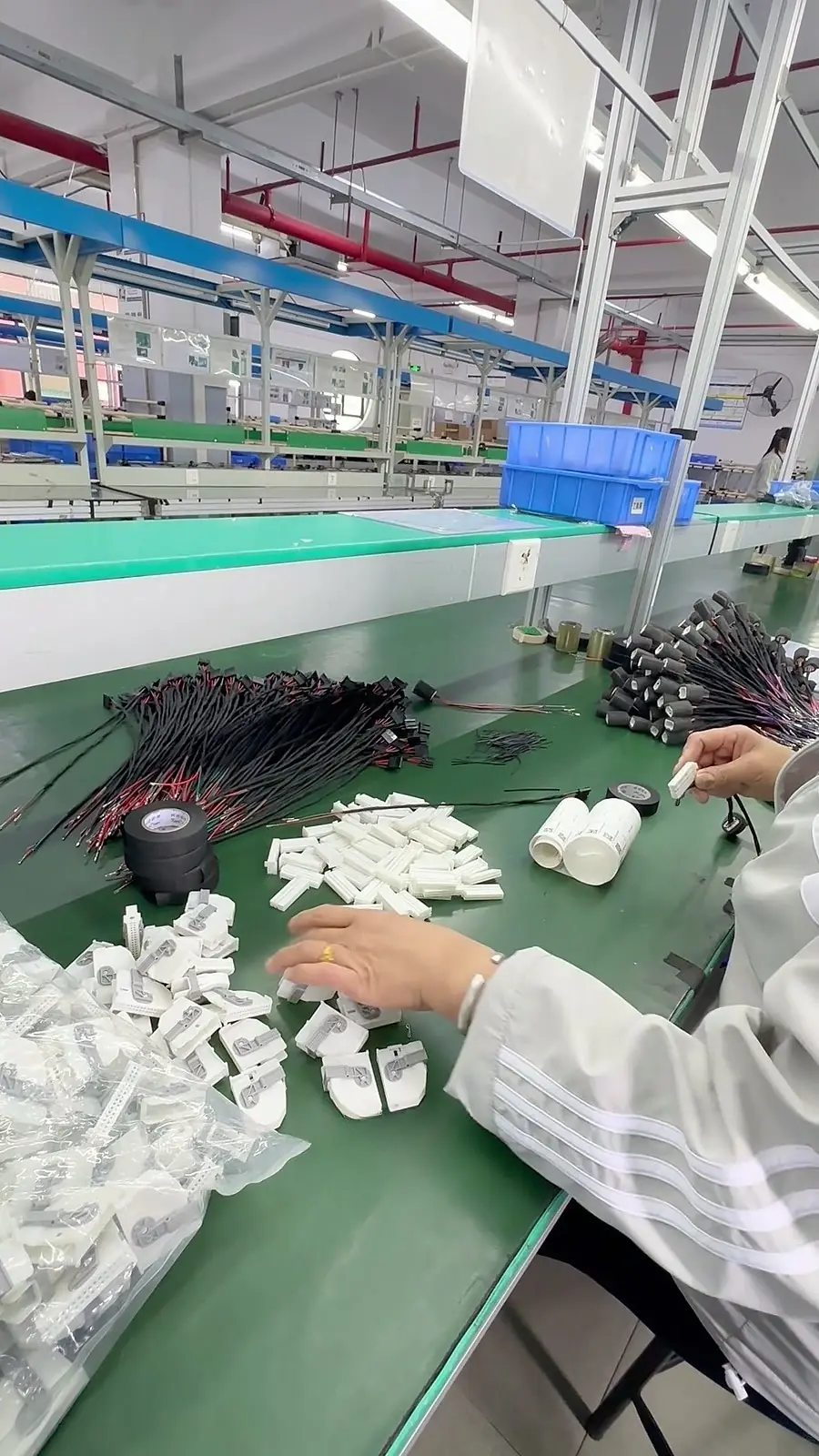
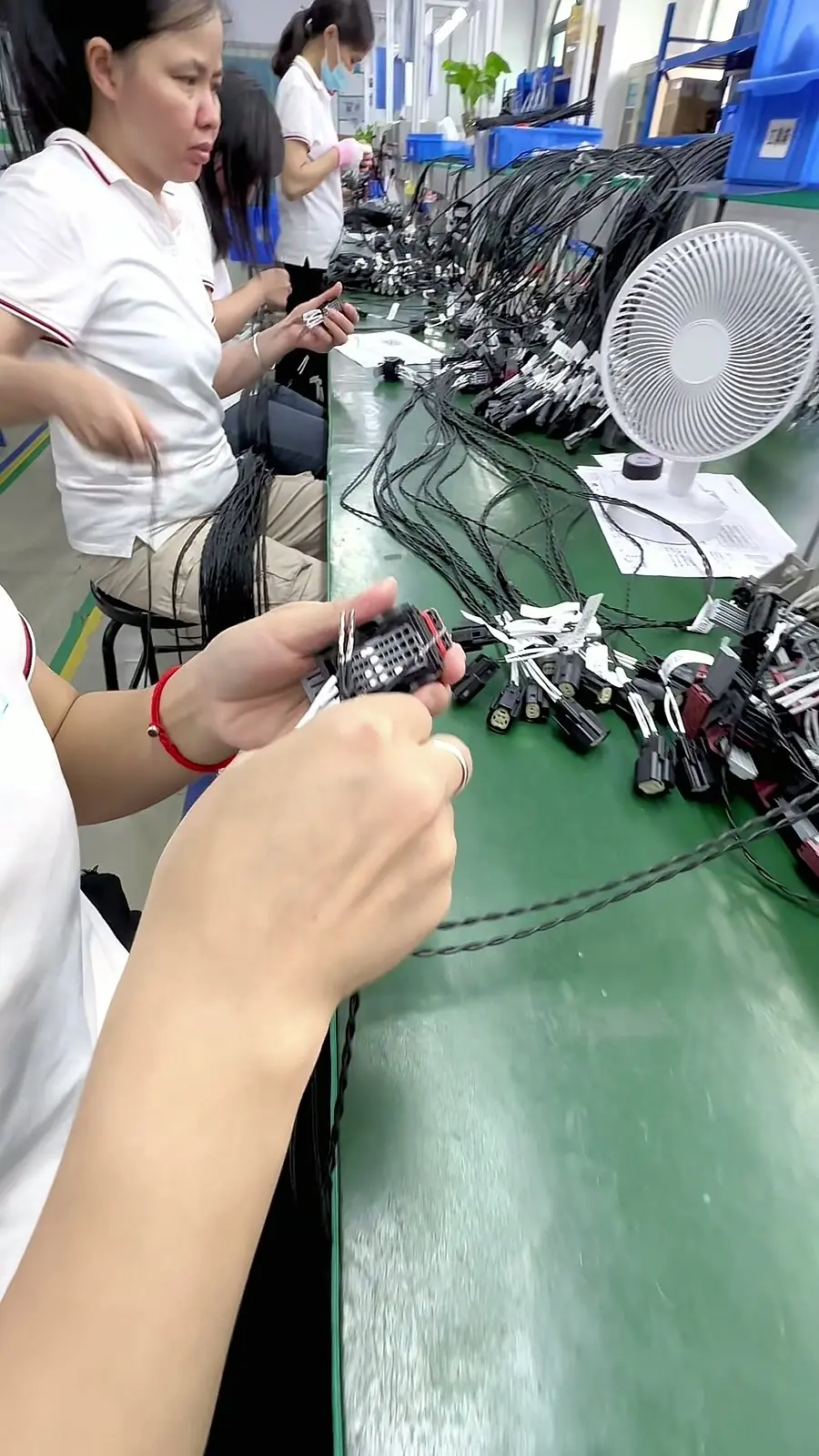
Most wire harness work remains manual assembly. Hand-soldering positions and hand-crimping stations create the greatest variability in finished harness quality, so total factory headcount says little about whether the operator assigned to your harness can execute a reliable solder joint or crimp. A facility with hundreds of low-skill assemblers may have no advantage over a focused operation with a much smaller, but better-trained, line.
Ask these questions instead:
- What percentage of line operators and QC inspectors are trained or certified to IPC/WHMA-A-620[1] workmanship criteria, and can the line build to Class 2 (dedicated service industrial/commercial) or Class 3 (high-performance medical, automotive, or defense) tolerances on request?
- How are hand-soldering operators certified and requalified against IPC J-STD-001 soldering standards to prevent cold solder joints, wicking under insulation, and thermal damage to connector housings?
- Which AWG range does the line handle regularly? A supplier that runs 28–32 AWG micro-coaxial or fine-pitch signal wire is not automatically equipped with the heavy-duty pneumatic/hydraulic crimpers, ultrasonic wire splicers, and operator training required for 4–10 AWG high-current power harnesses.
Step 2: Demand Phase-Level Lead Time Transparency Instead of a Two-Week Promise
A two-week delivery promise is usually either overstated or paid for with quality. Realistic wire harness lead time should be presented in phases, not as a single sales-ready date. Drawing confirmation often requires three to four days minimum after a complete package is received. Preparing connectors, terminals, and wire materials usually takes about two weeks once the bill of materials is confirmed. If original-brand or OEM components are specified, lead time commonly extends to three or four weeks while those materials are procured.
Ask each shortlisted supplier to show a phase-level schedule from drawing review to ex-works, including these checkpoints:
- Which connectors, terminals, and wire are in stock versus requiring procurement?
- Which long-lead branded components are already flagged, before quote acceptance?
- When will first article or pre-production samples be available for confirmation?
- What is the ex-works date if alternate connectors with shorter lead times are approved?
A supplier that cannot commit to a phase schedule — but merely repeats the requested delivery date — has not demonstrated production feasibility.
Step 3: Verify Engineering Drawing Review Capability Before Sample Approval
A supplier that redlines a drawing before cutting is more valuable than one that builds blindly to print. Engineering review should cover wire gauge versus current capacity (see our harness wire purchasing guide), insulation temperature and voltage rating, connector mating compatibility, harness branch routing, mechanical strain relief, and operating environment. This front-end review prevents sample rejection and reduces OEM line-down delay after production starts.
Request evidence of engineering support, not just sales acknowledgment. The better questions include:
- Will you provide a design-for-manufacturing response or redline file before cutting wire?
- Can you suggest alternative connectors if original-brand lead time conflicts with the production schedule?
- Do you reference SAE AS50881[2] for routing and separation when reviewing aerospace or defense harness specifications?
- Do you check UL 758[3] appliance wiring material styles when insulation ratings must be validated?
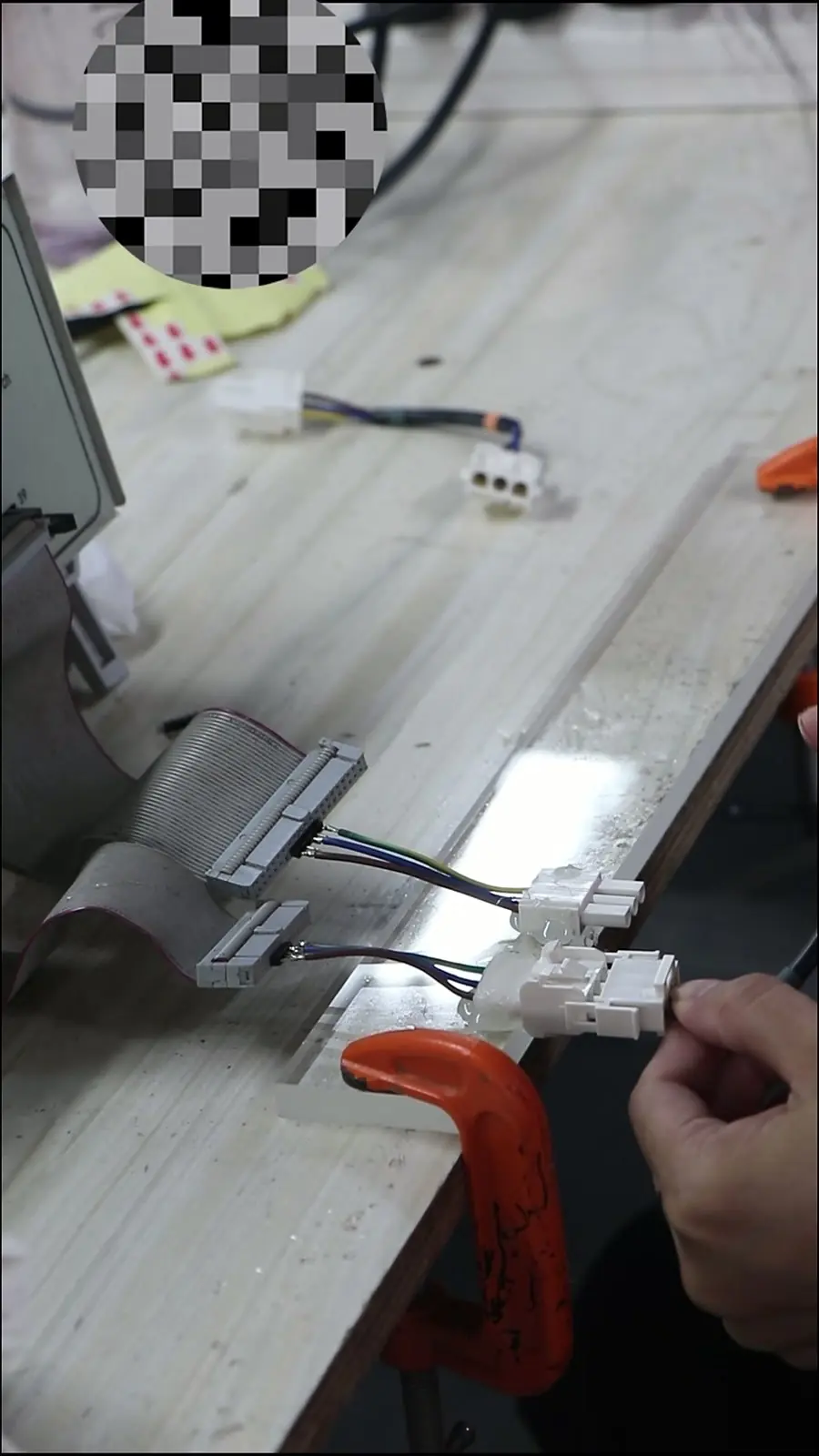
When the scope mixes harnesses with custom cable assembly elements, the same drawing review should compare connector mating, cable structure, and overmolding interfaces. See how custom cable assembly support applies the same pre-cutting review discipline to reduce downstream rework.
Step 4: Audit Crimp Quality Control as Process Documentation, Not a Final QC Pass
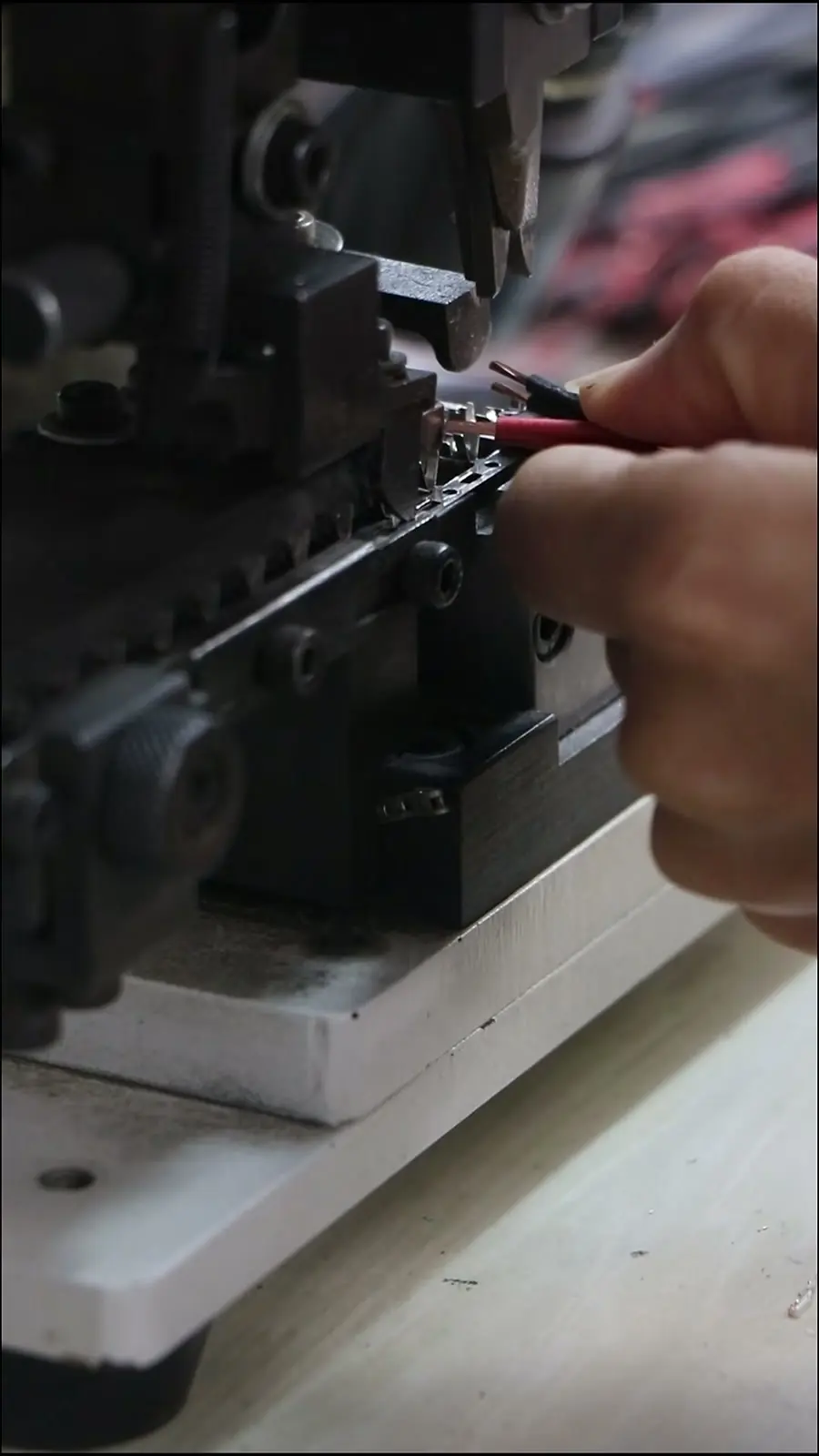
Crimping is the highest-risk step in wire harness assembly. Basic low-voltage continuity testing only catches dead opens and direct shorts after assembly; it cannot detect micro-voids, severed strands, or over-compressed conductor barrels that pass initial continuity but later cause intermittent open circuits, fretting corrosion, or thermal runaway under vibration and thermal cycling. Nor can basic continuity replace high-potential (Hipot) dielectric withstanding voltage and insulation resistance testing when insulation nicking or tight pin-to-pin spacing risks arcing. For OEM sourcing, the goal is in-process documentation that prevents marginal crimps before batch release.
Ask the supplier to document the following crimp and electrical control activities per production lot:
- Crimp height and width measurement: Verified via blade micrometer against terminal manufacturer specifications (typically held within ±0.03 mm to ±0.05 mm tolerance) with documented process capability.
- Destructive and non-destructive pull force testing: Recorded tensile pull-off values benchmarked against IPC/WHMA-A-620 and UL 486A/B minimum pull-force tables, tied to specific terminal lots and wire reels.
- Metallographic cross-section analysis: Microscope verification during setup confirming symmetrical conductor barrel roll, zero voiding between wire strands, intact bellmouth geometry, and proper insulation grip without conductor nicking.
- Automated Crimp Force Monitoring (CFM) & tool calibration: Real-time force-curve monitoring on semi-automatic or automatic presses to auto-reject missing-strand or insulation-in-conductor defects, alongside applicator calibration logs.
- Multi-stage electrical testing: 100% continuity/pinout verification combined with 4-wire Kelvin contact resistance measurement and DC/AC Hipot insulation testing where specified by the drawing.
IPC/WHMA-A-620 defines workmanship acceptance criteria for cable and wire harness assemblies, including crimp evaluation. A supplier that builds to this standard is providing a clearer process than one that cites only its quality management certificate.
For export-bound batches, combine crimp records with a quality inspection and export packaging workflow that protects labeled harnesses from handling damage and moisture during transit.
Step 5: Score Batch Traceability and Standards Compliance Correctly
ISO 9001[4] is a baseline quality management system; it is not proof of harness-specific process capability. A serious wire harness manufacturer should be able to trace a finished harness back to raw wire reel and terminal lot numbers. That traceability supports root-cause analysis and contains recalls before they spread across an entire production batch.
Map the relevant standards to the application before asking for documentation:
- IATF 16949 — automotive quality management system requirements for series production and service parts
- SAE AS50881 — wiring and harness routing criteria commonly applied in aerospace or defense programs
- UL 758 — safety standard for Appliance Wiring Material, covering insulated wire and cable styles
- IPC/WHMA-A-620 — workmanship acceptance standard for cable and wire harness assemblies, defining three classes with increasing inspection and documentation rigor
Better questions include: Can you trace a finished harness back to raw material lot numbers? Which IPC/WHMA-A-620 class is your default build standard? What crimp height, pull-force, and Hipot records do you retain after shipment?
Comparison Table: What You Asked vs. What You Should Ask
| Common evaluation question | What it actually measures | Better question to ask |
|---|---|---|
| How many employees do you have? | Scale of payroll, not manual assembly skill or process discipline | What percentage of line operators are trained or certified to IPC/WHMA-A-620, and what is the requalification schedule? |
| Can you deliver in two weeks? | Sales responsiveness, not material availability or production feasibility | Can you provide a phase-level schedule from drawing review to ex-works, identifying in-stock versus procured connectors, terminals, and wire? |
| Is your unit price the lowest? | Unit cost only, not total cost of quality failures and rework | What is included in the quote: tooling, first article, packaging, and export documentation? |
| Do you have ISO 9001? | Baseline quality management, not harness-specific process control | Which harness-specific standard do you build to, and what crimp, traceability, and inspection records do you retain? |
| Do you perform 100% continuity testing? | Final assembly verification for opens and shorts, not marginal crimp detection | Can you provide crimp height measurement, pull force test, and cross-section inspection data per lot? |
Mid-evaluation action: Request a drawing review and phase-level quotation from a supplier that documents operator training, crimp quality, and batch traceability — not just headcount and a delivery date.
Frequently Asked Questions
Should I reject a supplier that quotes two weeks?
Not automatically. Ask for a phase-level schedule showing drawing confirmation, component procurement, and production time. If the supplier cannot explain how connectors, terminals, and wire will be available within that window, the two-week date is likely a sales target rather than a production plan.
Is a larger factory always better for wire harness quality?
No. Wire harness assembly is largely manual, so operator skill and process control matter more than headcount. A focused line with documented crimp parameters and trained operators can outperform a larger facility without those controls.
What documentation should a harness supplier show before a sample order?
Request operator training records, a redlined drawing review, crimp height and pull force data from similar harness types, tool calibration records, and batch traceability documentation from wire reel and terminal lot to finished harness.
Does ISO 9001 guarantee good harness crimping?
No. ISO 9001 indicates a quality management system exists, but it does not define crimp acceptance criteria. Look for a supplier that builds to IPC/WHMA-A-620 and can provide per-lot crimp data, not just a certificate.
How should I compare quotes from the largest wire harness manufacturers?
Compare total landed cost, not unit price alone. Include tooling, first article samples, packaging, export documentation, and the cost of potential rework. A lower unit price with weak crimp documentation often creates higher total program cost when field failures or line-down delays occur.
Key Takeaways
- Evaluate operator skill and IPC/WHMA-A-620 training evidence instead of asking about total headcount.
- Require phase-level lead time transparency: drawing confirmation of three to four days, component procurement of about two weeks, and three to four weeks for branded or OEM components.
- Confirm that the supplier reviews drawings before cutting and can flag wire gauge, insulation, connector mating, and routing issues.
- Demand crimp height, pull force, and cross-section documentation per lot — not just a final continuity pass.
- Score batch traceability and application-specific standards such as IATF 16949 for automotive, SAE AS50881 for aerospace or defense, and UL 758 for appliance wiring material.
For a deeper look at manufacturing process capability, explore wire harness OEM manufacturing process documentation and production controls.