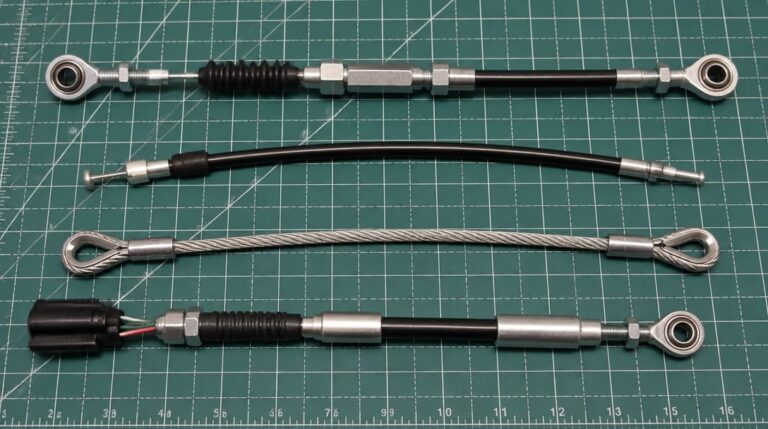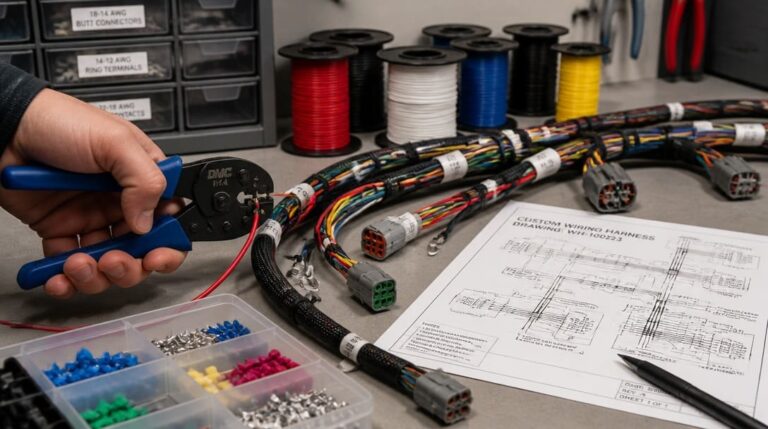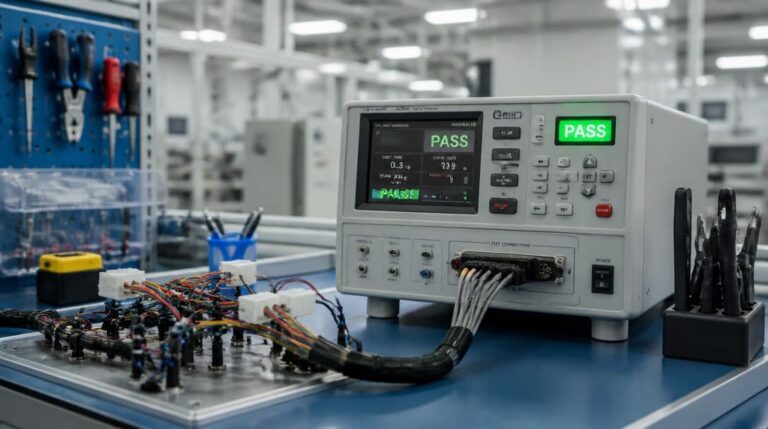
An aircraft wire harness is a structured assembly of conductors, terminals, connectors, and protective sleeving that routes and protects electrical power and signals throughout the airframe. It eliminates tangled loose wires, resists vibration and fluid exposure, and simplifies installation and maintenance. Getting an accurate production quote requires far more detail than a simple “need a harness” — especially wire gauge, connector plating, order quantity, and test criteria.
What Is an Aircraft Wiring Harness?
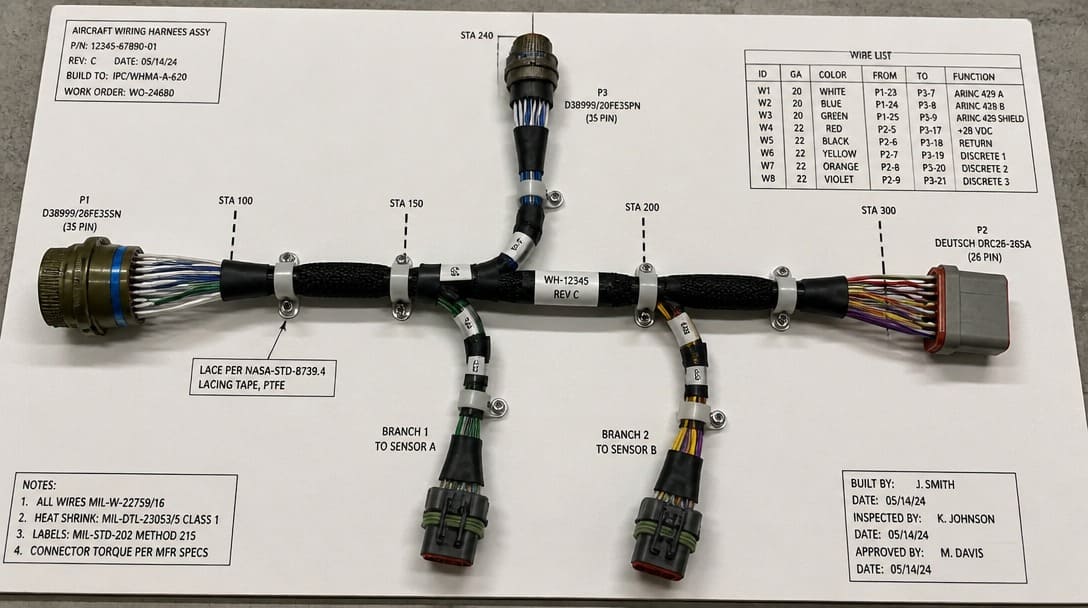
At its core, a wire harness is an organized bundle of electrical conductors, not just a handful of wires tied together. In an aircraft, the harness distributes power and data between avionics, flight controls, lighting, sensors, and ground equipment — all while withstanding extreme temperature swings, vibration, hydraulic fluid, and tight installation spaces.
The assembly typically includes:
- Insulated conductors — often built to MIL-W-22759 or SAE AS22759, selected for temperature rating, abrasion resistance, and weight.
- Crimped or soldered terminals — attaching conductors to connector contacts with precise pull-force values.
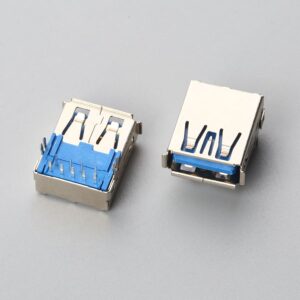
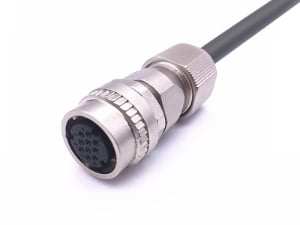
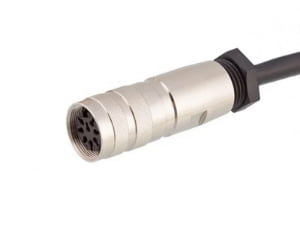
- Multi-pin connectors — circular or rectangular housings that mate with avionics racks, bulkheads, or ground-support equipment.
- Braided shielding and expandable sleeving — protecting signals from electromagnetic interference and mechanical abrasion.
- Heat-shrink tubing and label markers — providing insulation, strain relief, and permanent identification for each wire run.
In practice, a harness replaces dozens or hundreds of individual wires with a single, documented assembly that can be installed and removed as a unit. Without it, technicians would face a maze of identical-looking conductors, creating serious maintenance errors.
Wire Harness vs. Cable Assembly: Clearing the Most Common Confusion
One of the first challenges a new buyer faces is terminology. Engineering drawings often use “wire harness” and “cable assembly” interchangeably, but they are not the same product, and mixing them up can cause misquotes and ordering errors. For a clear breakdown, see our guide on what are aerospace cable assemblies.
| Parameter | Wire Harness | Cable Assembly |
|---|---|---|
| Structure | Multiple individual conductors branched at breakout points | One or more conductors enclosed in a single continuous outer jacket |
| Typical use | Internal routing inside fuselage, wing, or avionics bay | External connections, test equipment, or ruggedized interconnects |
| Terminations | Many separate connector shells along the path | One connector at each end, often overmolded or potted |
| Protective covering | Mix of braided sleeving, convoluted tube, tape, and heat-shrink | Solid jacket plus strain relief boots at connectors |
| Manufacturing metaphor | A tree with branches reaching multiple connection points | A single hose connecting two devices |
If your drawing shows one input connector splitting into four or five smaller connector ends, you are looking at a wire harness. If it shows a single cable with one connector at each end, you need a cable assembly. Submitting the wrong RFQ type — or just calling everything a “cable” — can add weeks of back-and-forth before a supplier can help you.
Need help turning your harness sketch into a producible assembly? Contact EDOM for a design review and material options.
Why Wire Harness Quotes Require More Upfront Information Than Buyers Expect
If you are new to sourcing wire harnesses, it feels natural to email a drawing and ask for a price. The surprise comes when the supplier replies with a dozen questions instead of a quote. That reaction is normal, and it is not because the supplier is being difficult. Wire harness pricing is uniquely sensitive to details that may not appear critical on paper.
Quantity changes everything
In our experience, the first inquiry from a new buyer almost always arrives without a quantity. Without that one number, we can’t give a meaningful price — material costs shift significantly between 50 units and 500. Connectors, specialty wire, and even standard heat-shrink are purchased in reels or minimum order quantities. A production run of 50 harnesses may require buying an entire reel of custom-labeled wire, while a run of 500 spreads that fixed material cost across ten times the assemblies.
Wire gauge alone is not enough
Stating “28 AWG” tells a supplier almost nothing. The missing information includes strand count, insulation material, voltage rating, and the governing standard such as MIL-W-22759 or SAE AS22759. A thin-wall, high-temperature Tefzel-insulated wire behaves very differently from a commercial PVC-insulated wire, and the two cannot be substituted without risking failure. Exact AWG size, stranding, and insulation type must be explicit.
Connector plating is not optional
The same connector shell can be ordered in multiple plating options — gold, nickel, olive drab cadmium, or electroless nickel. The plating directly controls low-level contact resistance (LLCR), corrosion protection, and mating durability. Leaving plating unspecified forces the supplier to guess. A mismatch can cause severe galvanic corrosion between mated shells, or lead to high-resistance intermittent faults under vibration. Furthermore, with REACH/RoHS regulations actively phasing out traditional Olive Drab Cadmium (ODC), specifying modern alternatives like Zinc-Nickel is critical for future-proofing your design.
Color codes and custom marking costs
Some harness drawings specify exact wire colors following a standard code; others require custom striped or printed legending. Custom colored or striped jackets require large minimum order quantities (MOQs) from wire mills, driving up costs and lead times. For low-to-medium volume production, we strongly recommend using standard white AS22759 wire and applying laser-marked heat-shrink tubing at both breakout ends. This fully complies with aerospace identification standards while bypassing raw material MOQs.
What Information Do Suppliers Actually Need for an Accurate Quote?
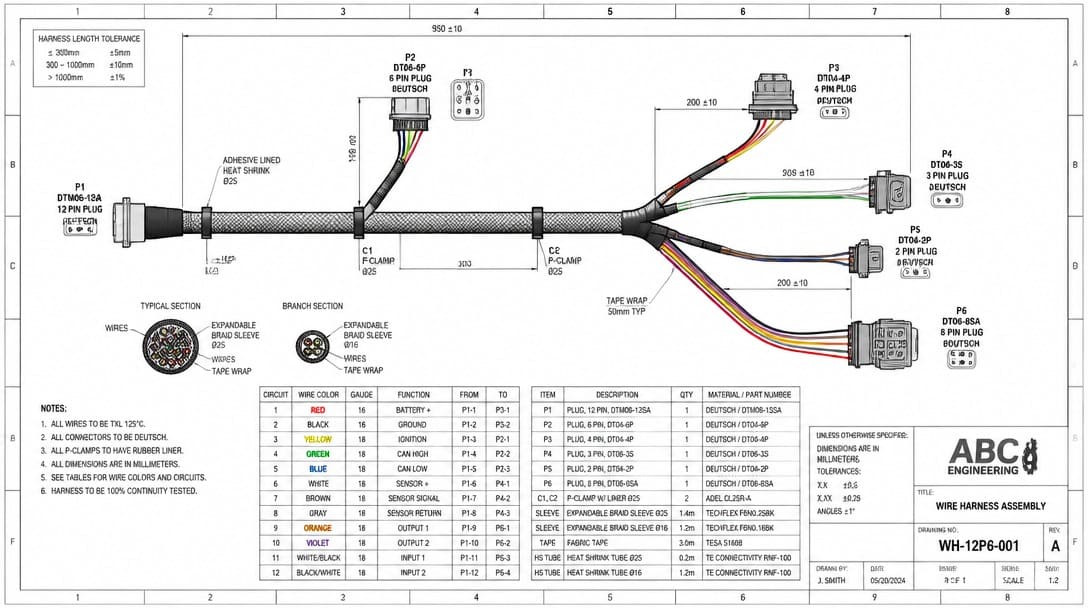
The fastest way to get a reliable price is to present a complete data package. Here is the minimum checklist every harness buyer should prepare:
- Quantity — exact target order size and, if possible, expected annual usage so the supplier can negotiate material pricing.
- Wire gauge and construction — full AWG with strand count, insulation type, voltage rating, and governing standard (e.g., SAE AS22759/16).
- Connector part numbers with plating spec — manufacturer name, series, shell size, insert arrangement, and plating material (e.g., MIL-DTL-38999 series III with nickel finish).
- Color requirements — indication of whether a standard color code is acceptable or if custom striping/legends are mandatory.
- Test requirements — at a minimum, continuity testing; often hipot, insulation resistance, and whether inspection will be to IPC/WHMA-A-620[1] Class 1, 2, or 3.
- RoHS compliance — aerospace assemblies frequently use leaded solder or exempt platings. Specify if your program demands full RoHS compliance or accepts aerospace exemptions.
- Labeling and marking — format, placement, font size, and any special legibility needs per the wiring diagram manual.
Suppliers that regularly serve OEM and export buyers, such as EDOM Electronics, use exactly these data points to structure their drawing review and bill-of-material analysis before issuing a formal quotation. Skipping any one of them usually means the RFQ stalls.
How Aircraft Wiring Harnesses Are Manufactured: A Step-by-Step Overview
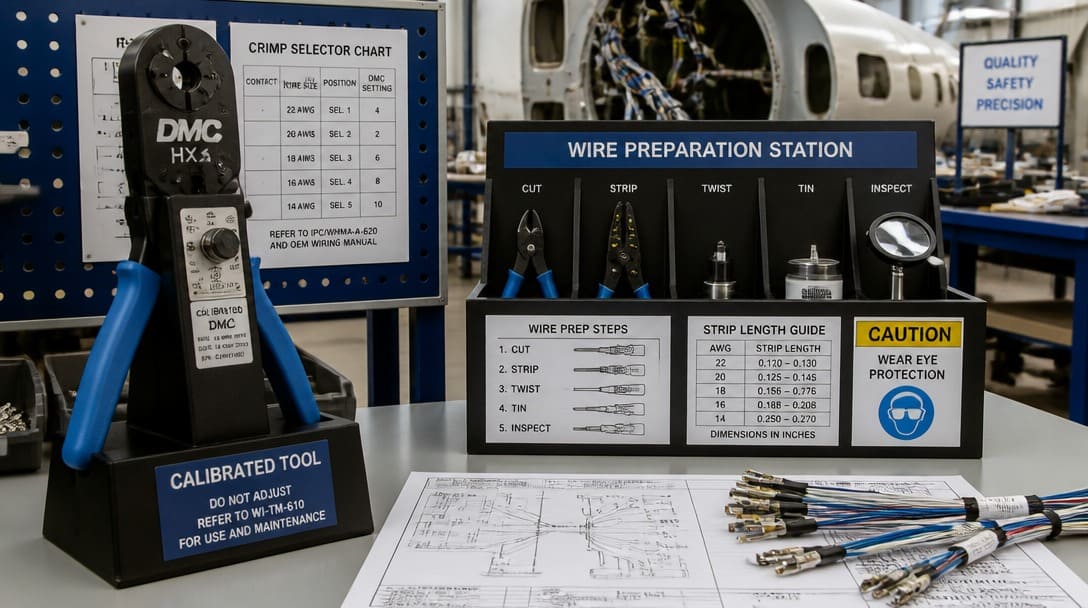
Understanding the manufacturing flow helps a first-time buyer appreciate why lead times exist and where cost accumulates. The process moves through seven essential stages:
- Wire preparation — conductors are cut to exact lengths and strip lengths per the wiring diagram, then laser or thermal marked for identification.
- Crimping and termination — calibrated tools and dies attach contacts to wire ends. Pull-force validation ensures compliance with SAE AS7928 or EN 2591.
- Connector assembly — contacts are inserted into connector bodies following the correct pin/socket map. Sealing plugs occupy unused cavities.
- Harness forming and routing — the assembly is built on a full-scale formboard that replicates the aircraft installation geometry, ensuring all branch lengths and breakouts are correct.
- Protective covering — braided sleeving, convoluted tubing, heat-shrink boots, or fireproof tape are applied according to the aircraft zone’s requirements for fluid resistance and abrasion protection.
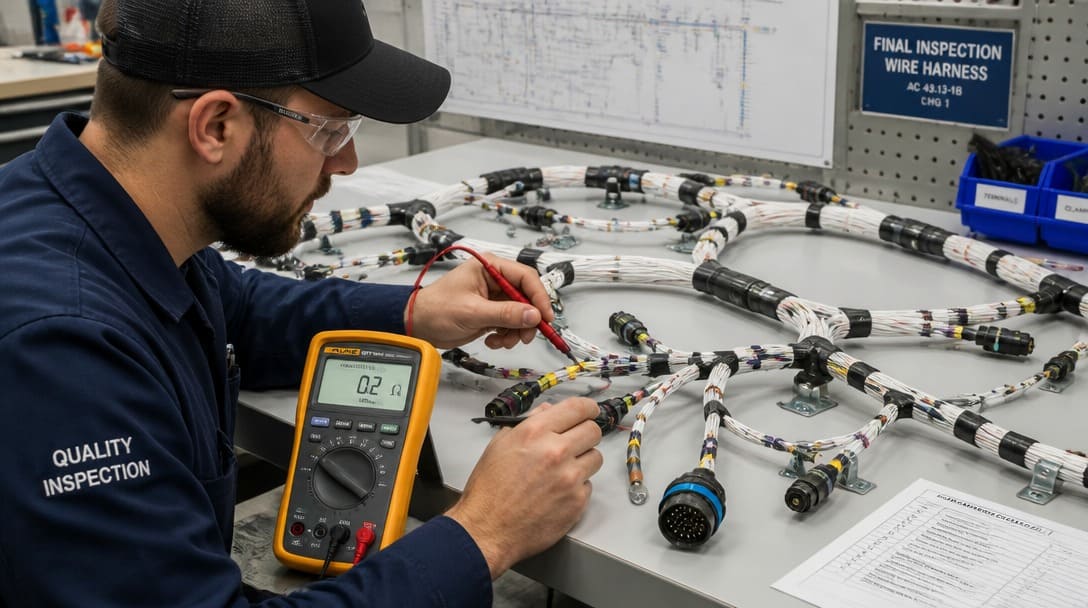
- Inspection and testing — a 100% visual check against IPC/WHMA-A-620 Class 2 or 3 criteria is followed by automated continuity and insulation resistance testing.
- Packaging and labeling — each finished harness is packaged with moisture barriers, carton labels, and export-ready protection to prevent connector and wire damage during transit.
Quality Standards and Certifications That Govern Aircraft Wire Harnesses
Unlike generic electrical work, aircraft wire harnesses are produced under strict aerospace standards. Buyers should recognize the key references that appear in production documentation and inspection criteria. For a full overview of certification and process controls, refer to our Aerospace Wire Harness Manufacturers: Quality & Compliance Guide.
- IPC/WHMA-A-620 — the global acceptance standard for cable and wire harness assemblies. Class 3 defines the workmanship and documentation required for aerospace-flight applications, including tighter soldering and crimping tolerances.
- Wire specifications (SAE AS22759 and MIL-W-22759) — these standards cover Tefzel and other high-performance aircraft wires. For low-voltage auxiliary circuits on ground-support or non-flight equipment, SAE J1128 may also appear.
- RoHS and REACH — many aerospace programs accept specific material exemptions, but new designs increasingly aim for RoHS-compliant connectors, platings, and insulation, especially when export to the European market is planned.
- UL recognition — while UL listing is more common in commercial equipment, some aircraft sub-assemblies and test cables may carry a UL component recognition for specific wire and connector combinations.
- Fire, smoke, and toxicity — FAA flammability testing per FAR Part 25 applies to harness installations in the cabin and inaccessible areas, driving the choice of materials and sleeving.
- Traceability — lot control, material certifications, and process records are often required to demonstrate that every production step meets the agreed specifications.
Frequently Asked Questions
Do I really need to specify connector plating before asking for a quote?
Yes. Connector plating determines not only corrosion resistance and conductivity but also the base cost of the component. Two MIL-DTL-38999 shells that look identical can differ substantially in price depending on whether they use nickel, cadmium, or electroless nickel. Without this information, any quote you receive will be approximate at best.
What if I only have a sketch and no part numbers?
Suppliers experienced in aircraft-grade assemblies, including EDOM, can often reverse-engineer a bill of materials from a physical sample or a detailed sketch. Expect the supplier to identify connector equivalents and propose wire types, but be prepared to approve each selection before production begins.
Why does changing the color of just one wire increase the cost so much?
Custom wire colors require a separate production run at the wire manufacturer. Unless your order volume is high enough to absorb that set-up charge, the unit price will rise noticeably. Whenever possible, accepting the manufacturer’s standard color code avoids this premium.
Can I specify IPC/WHMA-A-620 Class 2 instead of Class 3 to save cost?
It depends on the aircraft manufacturer’s documentation. If the drawing or procurement specification calls for Class 3, a supplier cannot downgrade the acceptance criteria. For non-flight items or ground-support equipment, Class 2 may be acceptable and can reduce inspection time, but always confirm with your own engineering team.
Key Takeaways
- A wire harness is not a simple bundle of wires — it is a documented assembly designed to survive vibration, temperature, and fluid exposure in an aircraft environment.
- Harnesses and cable assemblies are different products; submitting the RFQ under the wrong name creates delays and misaligned expectations.
- The most common missing information in a first-time wire harness inquiry is quantity, followed by wire gauge details, connector plating, and color requirements.
- Accurate quotes demand a complete data package covering quantity, wire construction, connector part numbers, test criteria, and RoHS status.
- Aerospace harness production is governed by standards such as IPC/WHMA-A-620, SAE AS22759, and SAE J1128, and requires disciplined documentation and traceability.
Getting Started: Preparing for Your First Aircraft Wire Harness Inquiry
You now have the checklist, the manufacturing overview, and the standards context. The most immediate step is to gather the seven pieces of information outlined above. If any are missing, expect your supplier to ask for them before any pricing work begins.
When you have only a sketch or a sample and no complete bill of materials, working with a supplier that provides requirement review, connector matching, sample coordination, and export packaging is essential. Before engaging a vendor, check out our advice on how to vet wiring harness suppliers for custom OEM assemblies.
Once you know exactly what a wire harness is and what you must provide, the next logical step is to see how these assemblies move from specification to finished product. Learn more about the full wire harness OEM manufacturing process.