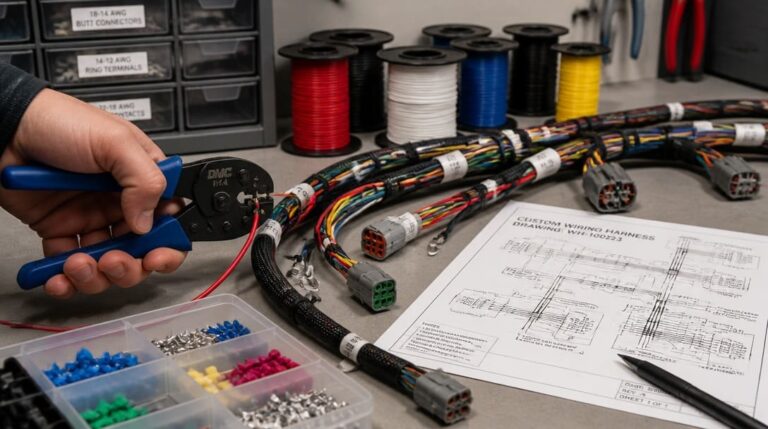
If you just received a drawing that says wire harness(see our What Is a Wiring Harness? Key Components, Functions & Applications for an overview) and you’re not sure what that means or what you need to prepare, this is the right place to start.
This guide moves past the basic definition and explains what actually matters in OEM equipment assemblies: how the components work together, why suppliers ask for more information before quoting, and how to turn an incomplete drawing into a supplier-ready enquiry.
Direct answer: A wire harness is an organized assembly of conductors, terminals, connectors, and protective sleeving used to route power and signals within OEM equipment; it replaces loose point-to-point wiring with a single pre-built subassembly that reduces installation time and wiring errors.
What a Wire Harness Actually Does in an OEM Assembly
Inside an OEM assembly, a wire harness routes power and signals between fixed points such as power supplies, controllers, sensors, motors, and interface boards. Because the conductors are pre-cut, terminated, and bound into a repeatable geometry, production teams install one number-tagged subassembly instead of dozens of loose wires. The result is a more repeatable build, fewer pin-to-pin wiring mistakes, and a clearer path for field service.
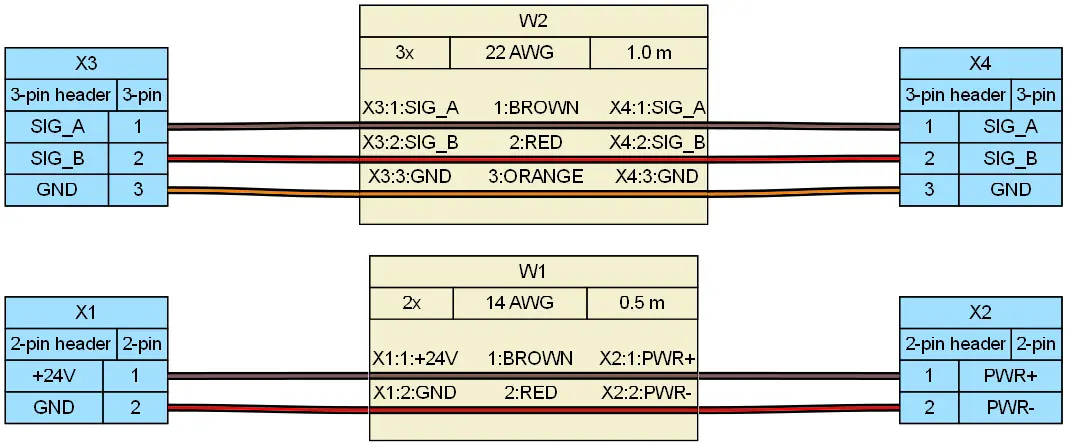
When reading a drawing, focus on the components that carry function rather than the overall bundle shape. These are:
- Conductor and AWG: The wire size is called out in AWG, where a smaller gauge number indicates a larger conductor diameter and higher current-carrying potential. A 22 AWG control signal wire and a 14 AWG power conductor should not be interchanged.
- Crimp terminal: Attached to each stripped conductor end, the crimp terminal must match both conductor AWG and insulation diameter. Proper termination requires verified conductor crimp height (CCH) and pull-off force per IPC/WHMA-A-620, alongside an independent insulation crimp barrel to prevent strand fatigue under operational vibration.
- Connector: Many OEM drawings call out a connector by series or part number. A Molex connector, for example, defines the housing pitch, circuit count, and terminal family only when the full series and part number are identified. A drawing that says “Molex connector” without those details is not yet an RFQ, because the supplier cannot confirm pin-to-pin matching.
- PVC insulation: On individual conductors, PVC insulation provides dielectric separation, color coding, and abrasion resistance. The insulation temperature rating must be checked against the equipment’s operating environment; standard PVC may be adequate for many internal applications, but not for continuous high-heat zones.
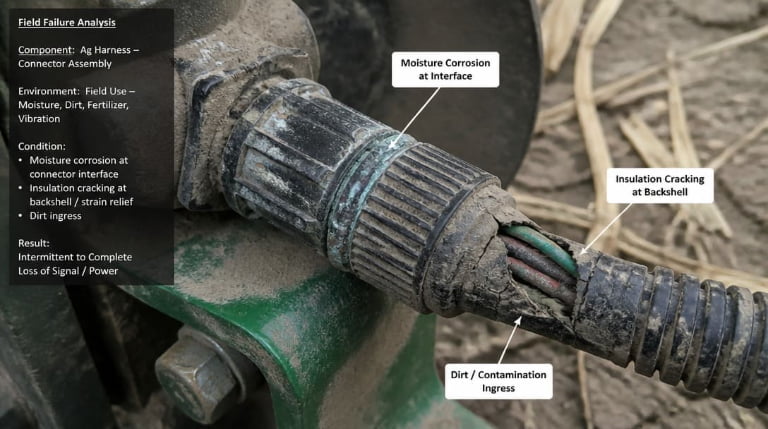
- Heat shrink tubing: Applied at wire breakouts, transitions, and strain relief points, heat shrink tubing seals and mechanically reinforces areas where insulation ends, where multiple branches separate, or where a connector backshell needs additional support.
- Corrugated loom: This protective sleeve is often specified where the harness bundle crosses sheet-metal edges, hinges, or moving components. Corrugated loom adds a hard outer barrier while still allowing the bundle to bend with the harness geometry.
- Grommet: Where the harness passes through a panel or chassis wall, a grommet protects the wires from cut edge chafing and prevents insulation damage over time.
- Labels: Wire and connector labels identify the harness part number, branch destination, pin function, or build revision. These markings matter as much as the electrical path for assembly and service.
These components are not decorative. A missing grommet or underspecified heat shrink tubing can lead to abrasion and electrical failure after installation, even if every continuity check passes on the bench.
Wire Harness vs. Cable Assembly: Clearing Up the Most Common Confusion
Buyers often use “wire harness” and “cable assembly” interchangeably, but the two are not the same on a drawing. The distinction matters because it changes which supplier process, materials, and verification methods apply.
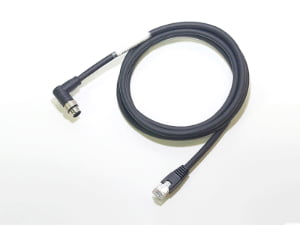
A wire harness is normally an internal bundle of multiple individual conductors without an overall outer jacket. It relies on selective protection — heat shrink tubing, corrugated loom, and grommets — only where the routing creates stress. A cable assembly, by contrast, has a continuous outer jacket, often over multiple conductors, shield, and filler, and is intended for external panel-to-panel or device-to-device connection. For external routed interconnect requirements, a custom cable assembly is often the correct starting point because the outer jacket and shielding must be specified as a system.
| Parameter | Open-Bundle Wire Harness | Overjacketed Cable Assembly |
|---|---|---|
| Jacket & Mechanical Protection | Selective (heat shrink, corrugated loom, spiral wrap); no common extruded jacket | Continuous extruded jacket (PVC, PUR, TPE, Silicone) over entire core |
| Ingress Protection (IP Rating) | Typically unsealed / IP00 to IP40 (sealed only at specialized connector interfaces) | IP67, IP68, or IP69K achievable via sealed backshells or overmolded strain reliefs |
| Minimum Bend Radius | Flexible: typically 3× to 5× single wire outer diameter (OD) | Rigid: typically 8× to 15× overall cable OD (depending on shielding/armor) |
| EMI/RFI Shielding Capability | Individual twisted pairs or selective braided sleeving; difficult to achieve 360° shield ground | Continuous foil + braided shield (up to 85–95% coverage) terminated to metal connector backshell |
| Primary Environmental Stress | Static chassis routing, localized abrasion against sheet metal cutouts, ambient thermal load | Dynamic flexing, tensile pull, direct liquid immersion, chemical/UV exposure, washdown |
| Cost Drivers & NRE | Labor-intensive manual routing board lay-up, terminal crimp count, branch fixture complexity | Cable raw material extrusion MOQs, custom overmold tooling (NRE), automated jacket stripping setup |
Not sure which construction your drawing calls for? Send the drawing or BOM for a requirement review — confirm whether an outer jacket is required or whether internal branch routing is sufficient.
Why a Simple Harness Inquiry Requires More Information Than Expected
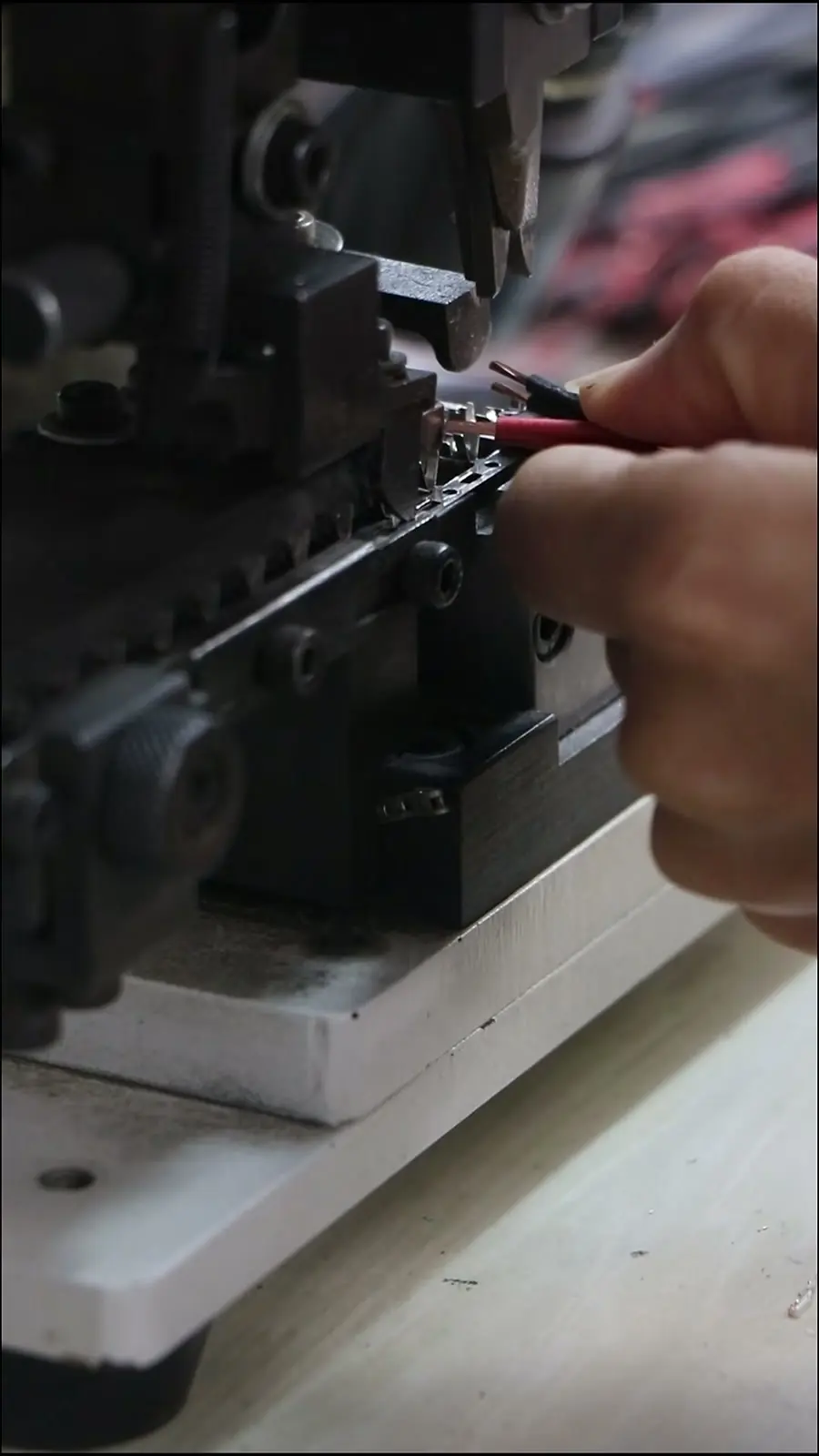
Many first-time buyers expect that a wire harness should be easy to price because it looks like a simple bundle of wires. The opposite is usually true: the quote accuracy depends on a small number of details that are easy to overlook.
In our experience, the first inquiry from a new buyer almost always arrives without a quantity. Without that one number, we can’t give a meaningful price — material costs shift significantly between 50 units and 500.
Quantity drives material pricing
Wire and connector suppliers sell through volume tiers. A 50-piece harness may require a small cut of a wire reel and a partial package of terminals; a 500-piece order allows full reel and continuous-strip purchasing. The same drawing can therefore land on very different unit costs simply because the material volume changes. Always state the prototype quantity, production lot size, and whether the order is a one-time build or a recurring programme.
Wire specification must be exact
AWG is only the beginning— a topic covered in What Is Harness Wire? A Complete OEM Purchasing Guide. A complete wire specification also includes conductor stranding, insulation material, and temperature rating. For example, PVC insulation is common and cost-effective, but a higher-temperature application may require cross-linked or silicone insulation, which changes both the material price and the crimp setup. UL 758[1] covers single-conductor and multi-conductor insulated wires used as appliance wiring material, so a buyer can reference that standard when specifying wire styles.
Connector plating must be specified
Tin and gold plating(a key selection factor in What Wiring Harness Do I Need? Key Factors for OEM Buyers) change both cost and field reliability. Tin plating is economical for low-mating-cycle applications; gold plating is often selected where low contact resistance, repeated mating, or corrosive conditions are expected. A drawing that lists a connector housing but omits terminal plating leaves the supplier to guess at a decision that directly affects endurance and price.
Color requirements affect cost
Standard single-color wire and common stripe combinations are easier to source from stock. Custom color combinations or unusual tracers can trigger minimum reel lengths, longer lead times, and higher cost. Before requesting custom colors, confirm whether the colors are truly required for installation, service, or regulatory marking — or whether standard colors with printed labels can do the job.
When these four items are missing, the supplier must send clarification questions before quoting. That is not slow service; it is the difference between a budget number and a production-capable quote.
What to Prepare Before Contacting a Wire Harness Supplier
To move from an unclear drawing to a supplier-ready enquiry, build a simple RFQ package. The table below summarises the information a harness manufacturer needs before a quote can be evaluated accurately.
| RFQ parameter | What to specify | Why it changes the quote |
|---|---|---|
| Quantity and schedule | Prototype quantity, production lot sizes, delivery windows, forecast | Material pricing follows volume tiers; production setup and fixture costs are amortized differently |
| Wire specification | AWG, stranding, insulation material, temperature rating | Substituting insulation or gauge changes crimp tooling, routing bundle diameter, and current performance |
| Connector callouts | Full part numbers or series, pitch, circuit count, plating | Unspecified plating and terminal materials shift cost and contact reliability |
| Color and marking | Standard colors, stripes, tracers, label content | Custom colors can create minimum-order constraints and longer lead times |
| Test and acceptance | Continuity, hipot, dimensional checks, IPC/WHMA-A-620 workmanship class | Higher compliance classes require more documentation, inspection points, and production control |
| Packaging and labeling | Export carton marks, barcodes, quantity per package, pallet requirements | Affects receiving efficiency, inventory management, and freight planning |
A production-coordinated supplier such as EDOM Electronics can support first-time OEM buyers with drawing review, connector matching, sample coordination, production follow-up, inspection, and export-ready packaging for custom cable assemblies and wire harnesses. However, even the most responsive supplier needs the information in the table above before a quote can be more than a rough estimate.
Quality inspection and export packaging requirements should also be documented early. If the harness will be packed for distributor inventory or overseas shipment, the packaging method must protect connectors, branch geometry, and labels in transit. Buyers can plan these acceptance criteria through the quality inspection and export packaging process before production begins.
How a Wire Harness Is Manufactured: The Process Behind the Quote
Understanding the production sequence helps a buyer see why accurate drawings, terminal callouts, and test requirements matter before the first sample is built. The process is not simply bundling wires; it is a sequence of controlled operations.
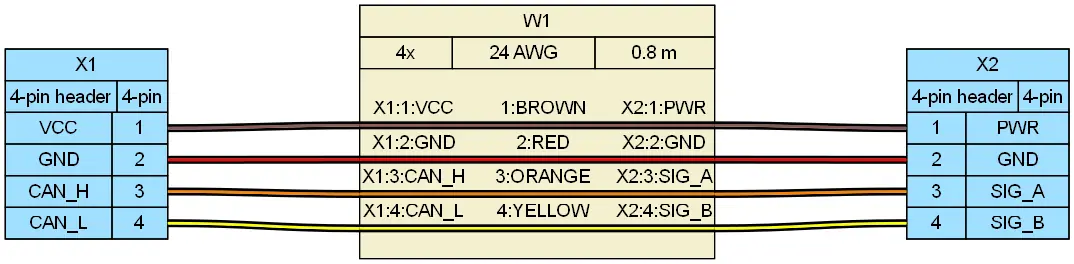
- Cut and strip: Individual wires are cut to the lengths called out on the drawing. Strip dimensions must match the terminal’s crimp barrel; a strip length that is too long leaves exposed conductor, while one that is too short can put insulation under the crimp.
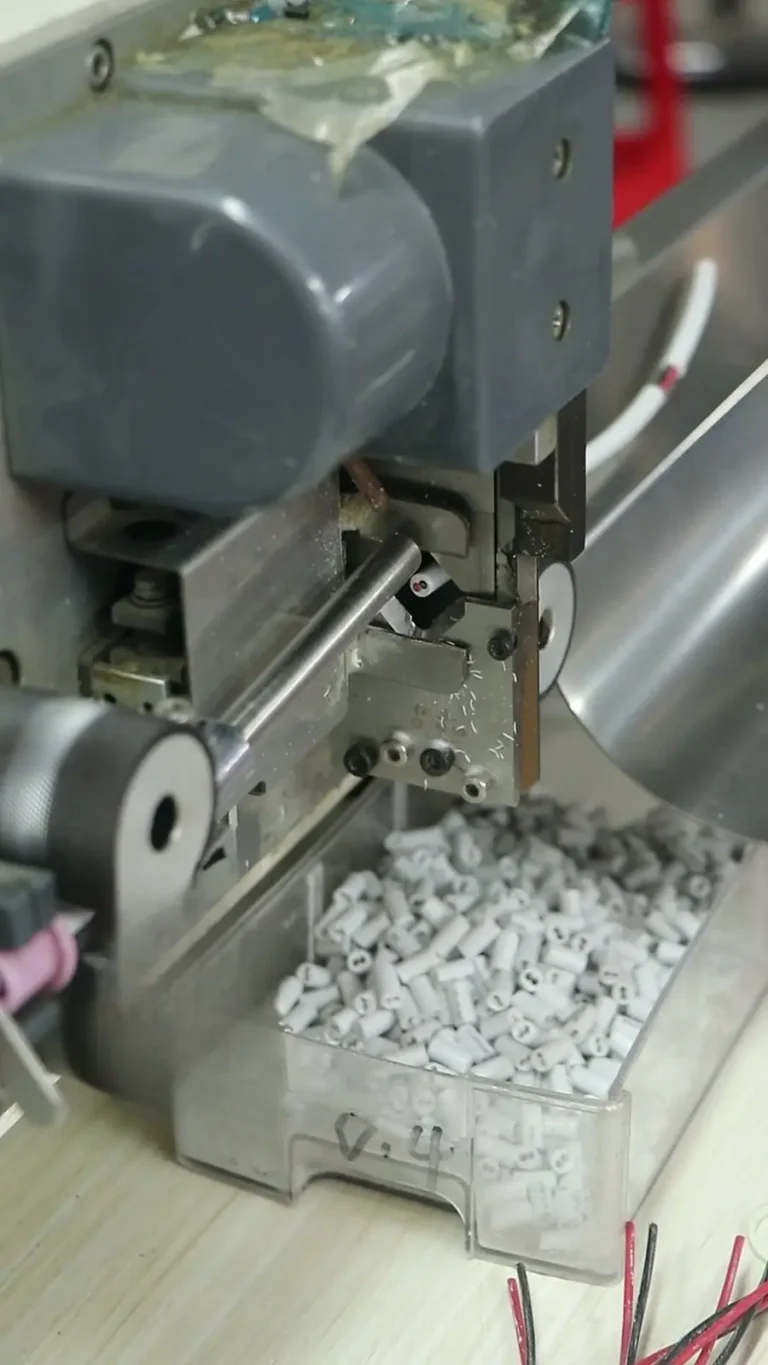
- Crimp terminals: Crimp terminals are applied using tooling matched to the specific terminal and wire AWG. During setup, crimp height and pull force are verified so the mechanical termination remains stable through vibration and thermal cycling.
- Route and form: The cut and terminated wires are routed on a fixture board that mirrors the final harness geometry, including branch locations, breakout lengths, and connector orientation.
- Apply protective elements: Heat shrink tubing is placed at transition and breakout points; corrugated loom is fitted over branches that cross edges or move; grommets are installed where the harness passes through panels; and PVC insulation remains the base dielectric on individual conductors.
- Apply labels and markings: Wire and connector labels are added for installation, repair, and serial traceability.
- Test and inspect: Continuity testing verifies the pin-to-pin path and resistance thresholds, while appearance inspection checks routing, crimp height/pull-force, and protective covering. IPC/WHMA-A-620 defines three end-use product classes (Class 1 General Electronic, Class 2 Dedicated Service, and Class 3 High Performance/Harsh Environment), each dictating distinct visual acceptance criteria, allowable terminal deformation limits, and minimum pull-off forces. Buyers must define the target classification up front, as Class 3 demands 100% crimp dimensional verification and strict process control that directly shifts assembly and tooling calibration overhead.
- Package for shipment: The finished harness is packed in a way that preserves its geometry and protects connectors from crushing or contamination during export or distribution. This step should be defined in advance, not left to the warehouse.
Reading Your Drawing: Common Wire Harness Details That Are Easy to Miss
Before sending a drawing to a supplier, a buyer can perform a quick self-audit. The most common blocking points are not missing harness branches — they are missing callouts that force the supplier to stop and ask.
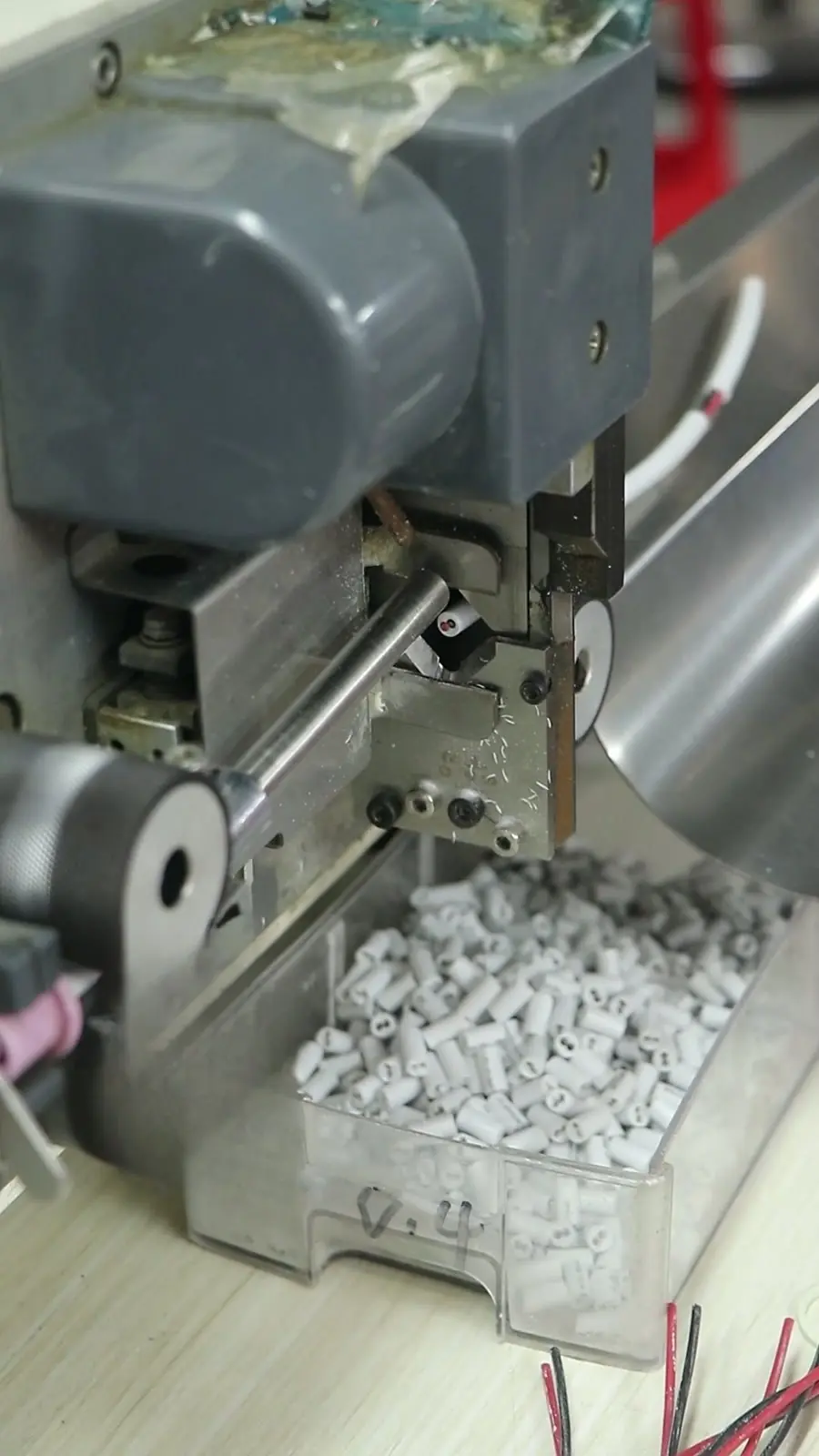
- AWG and wire color codes: If a wire is shown without AWG or color, the supplier cannot cut the correct conductor. Check every wire segment.
- Crimp terminal part numbers and plating: If the drawing only says “crimp” or “ring terminal” without a part number or plating, the quote will be based on assumptions. Confirm terminal series and contact finish.
- Protection callouts: Look for corrugated loom where the harness crosses edges, grommets at panel pass-throughs, and heat shrink tubing at breakout points or connector transitions. If the drawing is silent in these areas, request clarification.
- Connector naming completeness: A note such as “Molex connector” without a series, pitch, or circuit count is a material risk. The supplier may choose the wrong housing, terminal, or keying orientation. Full part numbers are ideal; a family name plus pitch and circuit count is the minimum.
- Test requirements: If the drawing does not state continuity, hipot, or IPC/WHMA-A-620 workmanship class, the supplier will likely propose the minimum acceptance. That may be fine for prototyping but not for production-level quality gates.
When any one of these details is missing, the RFQ is not ready. The fastest way to lose time is to submit a drawing that looks complete but stops short of connector part numbers, plating, and test class.
From Understanding to Supplier-Ready Enquiry: Your Next Step
A wire harness is not a bundle of loose wires; it is a designed subassembly whose cost, lead time, and reliability depend on quantity, exact wire specifications, connector details, protection callouts, and acceptance criteria. Once that mental shift happens, preparing a quotation request becomes a checklist rather than a guessing game.
Before contacting a supplier, assemble a one-page RFQ package that includes the drawing or BOM, quantity and delivery schedule, target cost or budget range, any test and packaging requirements, and the name of the person who can answer technical questions. That package allows a manufacturer to move directly into drawing review and quoting instead of a drawn-out clarification loop.
For a closer look at how these assemblies move from drawings to production, see the wire harness manufacturing process. A clear specification is the fastest way to get an accurate quote and a sample that matches the intended assembly.
Frequently Asked Questions
What is the difference between a wire harness and a cable assembly?
A wire harness is an internal bundle of multiple wires without an overall outer jacket, using selective protective elements such as heat shrink tubing, corrugated loom, and grommets. A cable assembly has a continuous outer jacket and is usually intended for external panel-to-panel or device-to-device connections.
Why does a supplier need quantity before quoting a wire harness?
Wire and connector prices follow volume tiers. A harness built in small prototype lots often uses partial reels and package quantities, while larger production lots can pull from full reels and continuous strips. Quantity determines material cost, setup amortisation, and final unit price.
What wire information should an OEM buyer include in a harness RFQ?
Include AWG, stranding, insulation material, temperature rating, color requirements, and any applicable wire standard. PVC insulation and AWG alone are not enough when higher-temperature or abrasion-resistant insulation may be required.
What does IPC/WHMA-A-620 mean for a wire harness project?
IPC/WHMA-A-620 is an acceptance standard for cable and wire harness assemblies. It defines three end-use product classes (Class 1 General, Class 2 Dedicated Service, Class 3 High Performance/Harsh Environment) with progressively strict visual acceptance criteria, allowable deformation limits, and minimum pull-off force thresholds. Buyers should state the required class before production because it changes in-process checks and final acceptance criteria.
Do wire harnesses need an outer jacket like cable assemblies?
Not necessarily. Many wire harnesses are designed for internal equipment routing and use PVC insulation on individual wires plus selective loom and heat shrink tubing where edges or transitions create stress. An outer jacket is added when the assembly must be routed externally or protected as a single continuous cable.
Key Takeaways
- A wire harness is a pre-built subassembly of conductors, terminals, connectors, and protective sleeving that routes power and signals inside OEM equipment, not simply a bundle of loose wires.
- Quantity, AWG, insulation material, connector plating, and color choices directly affect material pricing, lead time, and quote accuracy.
- The distinction between a wire harness and a cable assembly determines whether external jacket, shielding, and continuous outer protection are required.
- Before requesting a quote, document wire specifications, connector part numbers, protection callouts, test requirements, and packaging needs.
- Manufacturing follows a controlled sequence: cut and strip, crimp, route, protect, label, test, and package — each step relies on drawing completeness.
Engineering Review & Rapid Prototyping: If your harness drawing is still in the CAD or concept stage, submitting your draft 2D schematic, connector part families, and estimated wire run lengths allows our engineering team to run a DFM (Design for Manufacturability) check within 24 hours. We evaluate crimp tooling availability, suggest cross-reference terminals to circumvent long lead times, and deliver functional prototype harnesses in 3–5 business days before full-scale harness board tooling commences.