If you just received a drawing that says wire harness (see What Is a Wiring Harness? Key Components, Functions & Applications) and you’re not sure what that means or what you need to prepare, this is the right place to start.
A wire harness is an organized bundle of wires or cables that routes power and signals through a product using terminals, connectors, and protective sleeving. It is not a commodity item: wire gauge, connectors, plating, color, and quantity all directly determine the final quote.
What a Wire Harness Actually Is
A wire harness is a pre-assembled group of conductors cut, stripped, terminated, and routed into one repeatable installation package. Instead of running dozens of loose wires separately during final product assembly, the harness consolidates those circuits into a single subassembly that can be installed in one step.
The main components an OEM buyer sees on a typical wire harness drawing include:
- Conductor: The stranded copper, tinned copper, or automotive/industrial-grade aluminum wire core, sized by American Wire Gauge (AWG) or metric cross-sectional area (mm²). Lower AWG numbers (or higher mm²) denote larger cross-sections engineered for high ampacity and low voltage drop, whereas higher AWG numbers handle low-power sensor and high-density signal circuits.
- Wire insulation: The dielectric layer around the conductor. Common insulation materials include PVC, XLPE, and silicone, each selected for temperature rating, flexibility, and chemical resistance. UL 758[1] is the safety standard for Appliance Wiring Material and defines style requirements for many single-conductor and multi-conductor insulated wires used in harnesses.
- Terminal: The metal contact crimped or soldered to the stripped wire end. Terminals are inserted into connector housings and must match the wire gauge, insulation diameter, and plating specification.
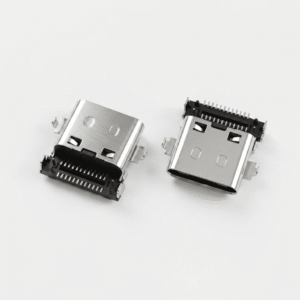
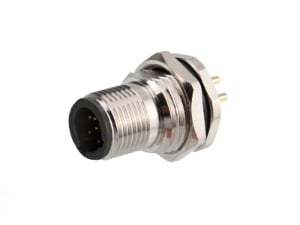
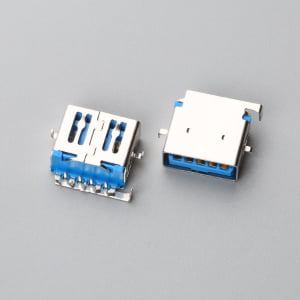
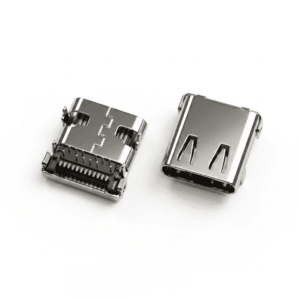
- Connector: The plastic or metal housing that holds terminals in fixed cavities and provides the mechanical interface to a mating connector. Connector selection involves pitch, gender, circuit count, locking feature, and terminal series compatibility.
- Protective sleeving: Heat shrink tubing, woven loom, braided sleeving, or spiral wrap that protects bundles against abrasion and keeps wire routing organized. Heat shrink tubing may be specified to UL 224 for extruded insulating tubing performance and flame retardancy.
- Strain relief: A mechanical feature at the connector backshell or cable exit that prevents bending force from being transferred to the termination point, reducing wire breakage and intermittent contact.
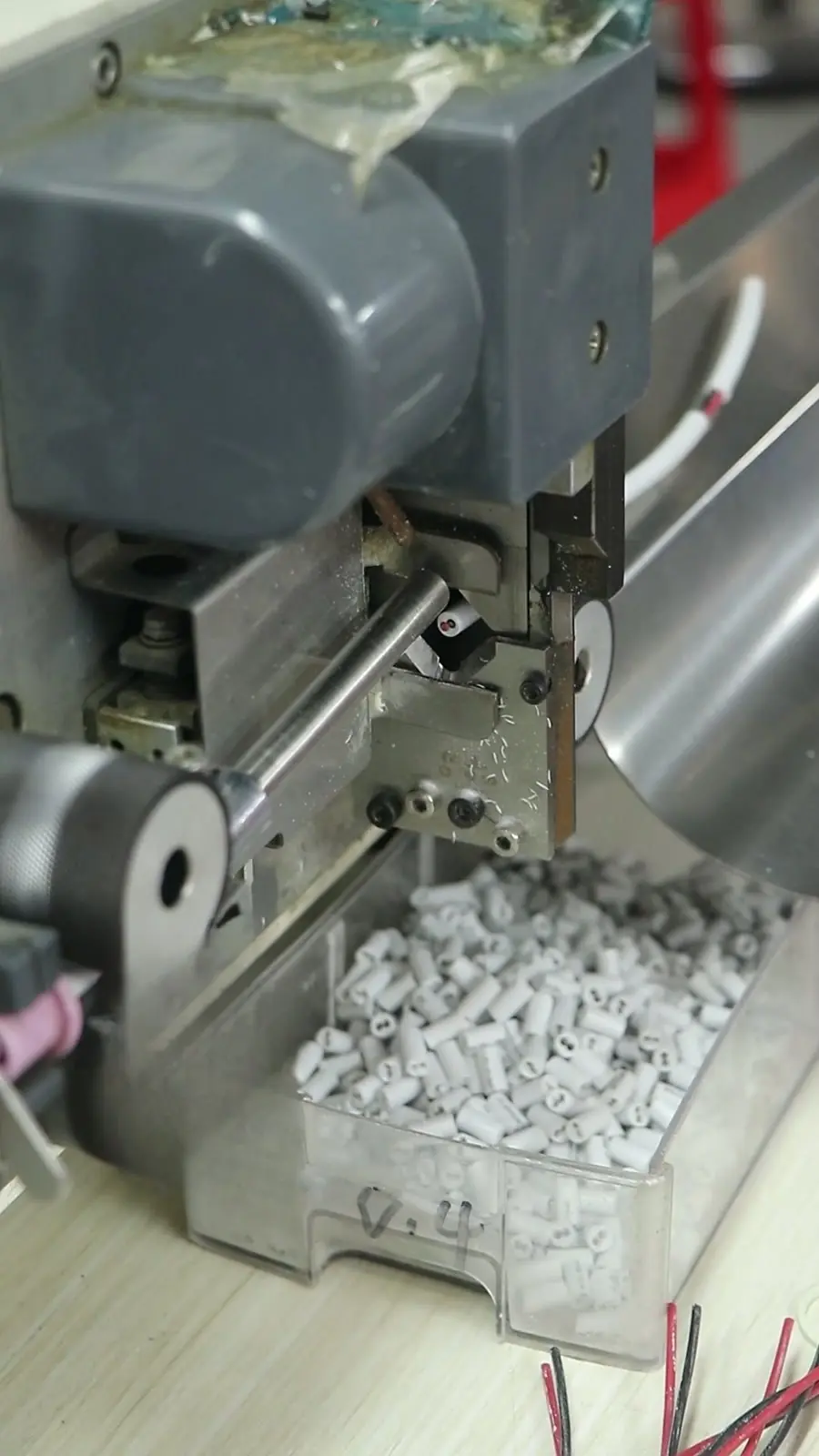
For an OEM buyer, a wire harness replaces many loose wires and manual terminations with a single subassembly. That reduces installation time, standardizes routing, and lowers the chance of miswiring during final product assembly.
Wire Harness vs. Cable Assembly: The Most Common Buyer Confusion
First-time buyers frequently use the terms interchangeably, but the construction and application are different. A wire harness is a bundle of individual wires held together by tape, loom, braided sleeving, or heat shrink at breakout points. It is commonly used inside enclosures or protected areas where external abuse is limited. A cable assembly encloses conductors inside a single heavy outer jacket and is designed for harsh, exposed, or high-flex environments.
| Parameter | Wire Harness | Cable Assembly |
|---|---|---|
| Outer protection | Open bundle with tape, loom, braided sleeving, or heat shrink at breakouts | Single heavy outer jacket encloses all conductors |
| Environmental resistance | Typically for protected interior areas with limited moisture and abrasion exposure | Designed for moisture, abrasion, crushing, or high-flex environments |
| Typical applications | Inside control panels, appliance wiring, automotive dashboards, industrial machine cabinets | External equipment interconnects, robotic arms, outdoor sensors, industrial power drops |
| Common test and standard focus | Continuity, crimp height/pull-force per IPC/WHMA-A-620 (Class 2/3); wire insulation styles per UL 758 | IPC/WHMA-A-620 Class 3, overmold cosmetics/voiding (Sec 19), jacket tear resistance, Hi-Pot/dielectric breakdown, cyclic flexing, and IP67/IP68 ingress sealing (IEC 60529). |
| Relative complexity | Lower material cost per unit but more labor in routing and bundling | Often higher material cost due to jacketing, but more durable in exposed locations |
If the drawing says harness but the product will face moisture, abrasion, or continuous movement, confirm whether you actually need a cable assembly before creating the RFQ. A quick review of the operating environmentas discussed in our What Wiring Harness Do I Need? Key Factors for OEM Buyers can prevent quoting the wrong construction. For custom cable assembly specifications, review custom cable assembly options.
Why Wire Harness Inquiries Need More Upfront Information Than Buyers Expect
Suppliers are not asking for details to slow down the quote. Each wire harness is built from commodity materials whose cost changes by volume, specification, and availability. Missing data forces the supplier to make assumptions, and assumptions usually lead to either an inaccurate price or a quote that does not match the final requirement.
Quantity is the first gate. Wire, terminals, and connectors are priced in volume tiers. A small batch may absorb the same minimum reel or package quantity as a larger run, so unit price changes meaningfully between low-volume and mid-volume orders.
In our experience, the first inquiry from a new buyer almost always arrives without a quantity. Without that one number, we can’t give a meaningful price — material costs shift significantly between 50 units and 500.
The remaining details are equally specific:
- Wire specification must be exact. AWG, stranding, insulation material, and applicable ratings such as UL 758 affect material selection, current-carrying capacity, and safety performance. A 20 AWG wire with PVC insulation is not the same as a 20 AWG wire with XLPE for a high-temperature application.
- Connector plating must be specified. Gold versus tin plating changes material cost, mating durability, and suitability for low-level signal circuits. If the drawing shows only the connector housing but not the contact finish, the supplier cannot select the correct terminal with confidence.
- Color requirements affect cost. Standard colors are usually faster and less expensive because they may already be available in smaller reel quantities. Custom colors or stripe patterns can trigger setup charges or higher minimum order quantities.
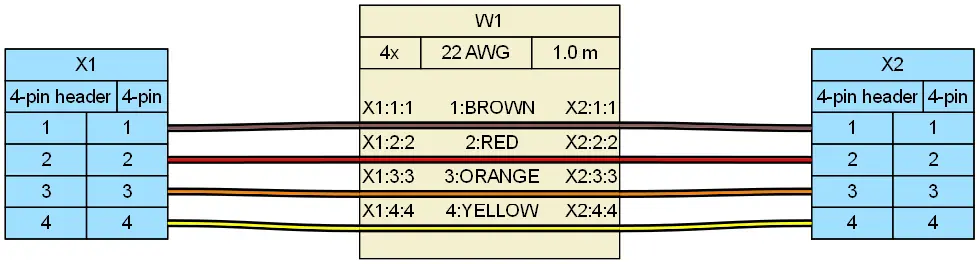
Each of these seemingly small details directly changes the final quote. It is not that the supplier is slow; the inquiry itself is not ready.
The Exact Information Suppliers Need to Quote a Wire Harness Accurately
The following checklist gives OEM buyers a concrete way to prepare an RFQ without avoidable back-and-forth.
| RFQ Data | Why It Matters | What to Specify |
|---|---|---|
| Quantity and delivery schedule | Material price depends on MOQ tiers and order continuity | Requested units, target lead time, one-time or recurring order |
| Wire gauge and construction | Conductor size, insulation, and rating affect safety, flexibility, and cost | AWG, stranding, insulation material, UL 758 style where known |
| Connector and terminal data | Mating compatibility and plating determine electrical performance | Manufacturer part numbers, pitch, gender, cavity count, plating, crimp specification |
| Color and marking | Custom colors may trigger setup fees or higher MOQ | Standard vs. custom colors, stripe/tracer, label content |
| Test and workmanship | Verification effort changes labor and documentation | Continuity testing, pull-force checks, visual inspection, IPC/WHMA-A-620 class |
| Packaging and export | Prevents damage and receiving delays | Protective packaging, carton labeling, distributor receiving, production-line presentation |
For custom harness RFQs, engineering-driven manufacturers evaluate your drawing through a Design for Manufacturability (DFM) review—identifying connector cross-references (e.g., equivalent alternatives to long-lead Molex, JST, or TE components) to mitigate NRE costs and cut prototype lead times down to 3–5 business days. Even if your drawing lacks specific contact part numbers, sharing your pinout, mechanical routing envelope, and electrical load allows manufacturing engineers to configure a quote-ready BOM.
How Wire Harnesses Are Manufactured: A Brief Process Overview
Understanding the production sequence helps buyers see why drawings, cutting schedules, and connector details matter before order release. The typical process follows a repeatable sequence.
- Cut and strip wire lengths according to the cutting schedule. Wire lengths are measured from the drawing and cut to tolerance before stripping the insulation at each end.
- Crimp terminals to stripped ends using calibrated applicators and automated crimp force monitors (CFM). Critical cross-sections must maintain conductor crimp height (CCH) within ±0.03 mm to ±0.05 mm, preserve front/rear bellmouths per IPC/WHMA-A-620 Class 3, and pass destructive terminal pull-force validation before running the lot.
- Insert terminals into connector housings and verify seating. Terminals must lock into the correct cavity according to the wire table and connector pinout.
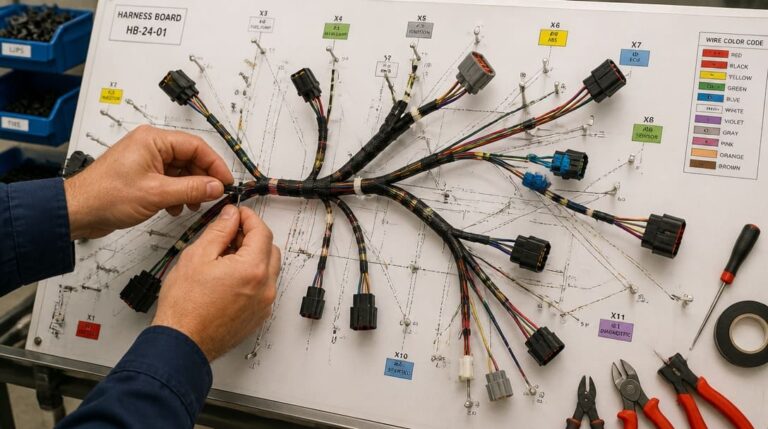
- Route and form wires on a jig board or harness board. The board holds breakout points, branch lengths, and routing paths so every produced harness matches the approved layout.
- Apply protective sleeving, heat shrink tubing, loom, strain relief, and labels. These elements protect the bundle, support breakout points, and identify circuits for installation and service.
- Test continuity and appearance, then inspect workmanship to IPC/WHMA-A-620 acceptance criteria where specified. Testing catches open circuits, shorts, and miswired cavities before shipment.
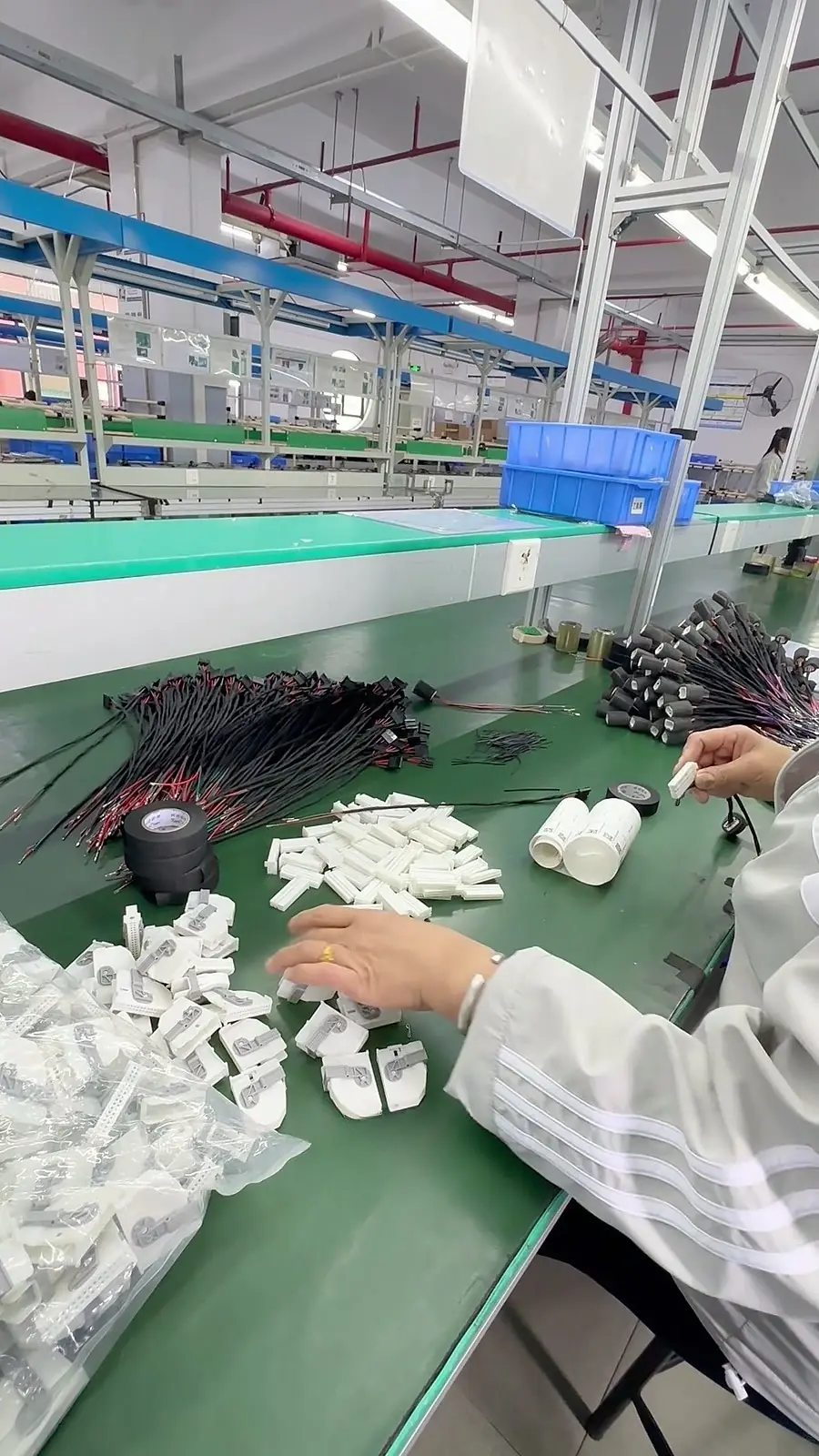
- Pack in export-ready packaging and label cartons. Packaging protects harnesses during transit and supports distributor receiving or OEM production-line presentation.
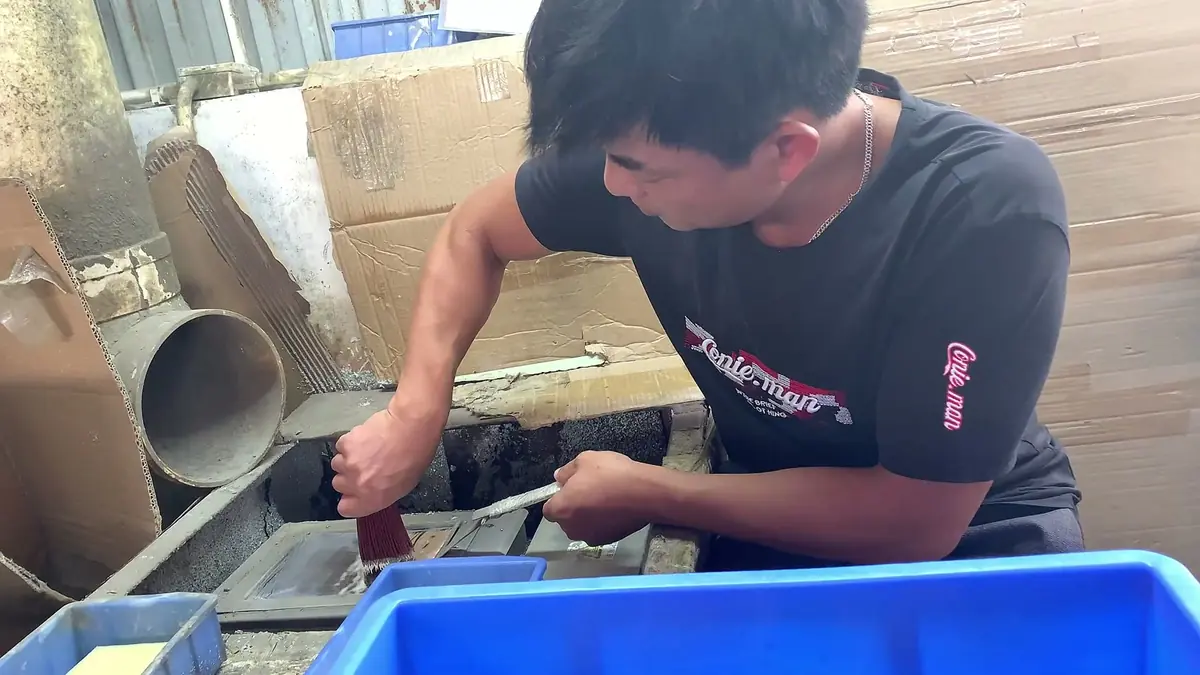
For a deeper process walkthrough with tooling, fixture, and inspection details, the next logical step is production-level manufacturing support.
How to Read a Wire Harness Drawing: A First-Time Buyer Checklist
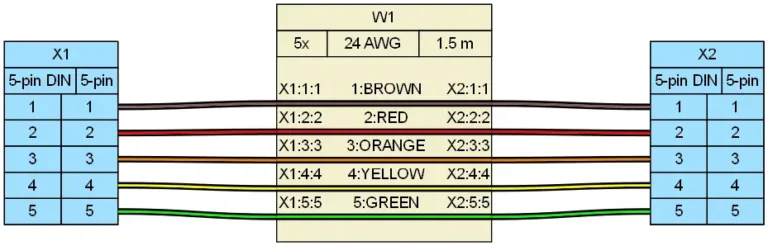
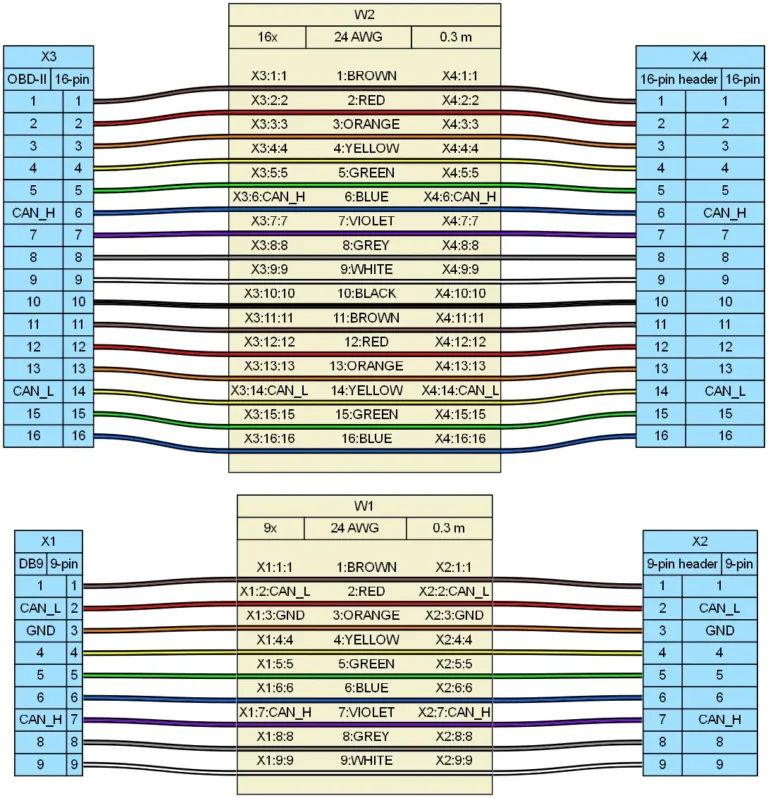
If you only have a drawing and no electrical engineering background, start with the wire table. This table lists each circuit, wire size, color, length, terminal part number, and connector cavity. It is the fastest way to extract the specification data a supplier needs.
- Start with the wire table. Confirm wire size expressed as AWG, color, length, terminal part number, and connector cavity for each circuit.
- Check tolerance and dimensioning notes. Review overall length, branch length, strip length, and crimp height where shown.
- Look for notes on connector plating, insulation material, UL 758 compliance, and required electrical tests. Drawings often place critical material and test requirements in the notes block.
- Flag missing items before sending the RFQ. Common gaps include quantity, connector part numbers, color standards, strain relief locations, and packaging expectations.
Next Steps: From Drawing to a Production-Ready Wire Harness Quote
Once the drawing has been reviewed and the missing data identified, consolidate everything into one RFQ package.
- Consolidate the drawing, BOM, quantity, and target delivery dates before contacting suppliers. A complete package reduces quote turnaround time.
- Ask for a requirement review rather than an instant price if the drawing is incomplete or uncertain. A technical review identifies assumptions and prevents downstream errors.
- Request sample confirmation for first-time designs before committing to full production. A sample validates wire lengths, cavity positions, connector fit, and workmanship.
- Confirm export packaging, carton labeling, and inspection expectations to prevent receiving and inventory issues. For additional detail on receiving inspection and export carton preparation, review quality inspection and export packaging.
Frequently Asked Questions
What is the difference between a wire harness and a cable assembly?
A wire harness binds multiple individual wires with tape, loom, or sleeving and is typically used inside protected equipment. A cable assembly encloses conductors in a single outer jacket and is designed for harsh or exposed environments.
Why do wire harness suppliers ask for quantity before giving a price?
Wire, terminals, and connectors are priced in volume tiers. A small batch may absorb the same minimum reel or package quantity as a larger run, so unit price changes meaningfully between 50 and 500 pieces. Quantity also affects cutting setup, crimp setup, and testing time.
Do I need to specify connector plating in a wire harness RFQ?
Yes. Connector plating such as gold or tin affects cost, mating durability, and low-level signal reliability. If the drawing shows only the connector housing but not the contact finish, the supplier cannot select the correct terminal with confidence.
Can custom wire colors increase wire harness cost?
Standard colors are usually faster and less expensive because they may already be available in smaller reel quantities. Custom colors or stripe patterns can trigger setup charges or higher minimum order requirements, especially for smaller production runs.
What workmanship standard applies to wire harness assembly acceptance?
IPC/WHMA-A-620 is the commonly referenced acceptance standard for cable and wire harness assemblies. It defines three workmanship classes with increasing inspection and documentation rigor, and it is often paired with UL 758as detailed in our What Is Harness Wire? A Complete OEM Purchasing Guide for wire style selection.
Key Takeaways
- A wire harness is a pre-assembled conductor bundle with terminals, connectors, and protective sleeving; it is not a commodity wire bundle.
- Wire harness and cable assembly are different constructions; choose based on environmental exposure and mechanical stress.
- Quantity, wire gauge, connector part numbers, plating, colors, and test criteria all directly affect a wire harness quote.
- Before sending an RFQ, collect the wire table, drawing notes, quantity, plating details, and packaging requirements.
- Production follows defined cutting, crimping, routing, testing, and export packaging steps that should be confirmed before order release.
Once you understand the RFQ inputs and manufacturing process, the next step is production-level detail. Explore wire harness OEM production support for cutting, crimping, routing, testing, and packaging coordination.